


More Than Just Hitting the Notes
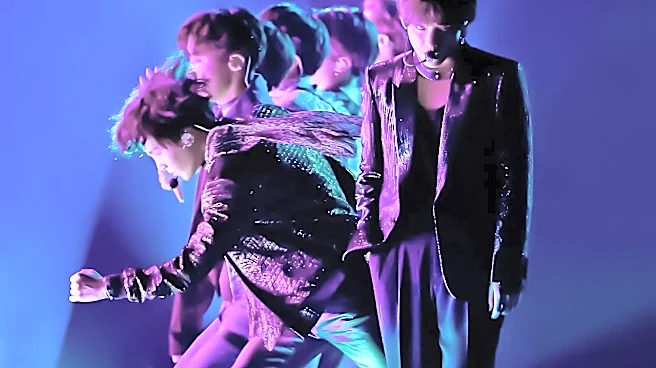
A 'good' performance is often defined by its technical proficiency. The vocals are on point, the choreography is tight, and the artist looks great. It’s professional, polished, and perfectly acceptable. But it’s also safe. A rewatchable performance, on the other
hand, rarely makes its mark because of its perfection. Instead, it’s about creating a moment that transcends the song itself. It's the difference between watching a skilled singer execute a track and witnessing an artist make a statement. Think about the most iconic VMA moments; technical flawlessness is rarely the headline. We remember the feeling, the shock, or the story being told, not whether every note was hit with studio precision.
The Element of Risk and Surprise
Rewatchable performances almost always involve a genuine risk. At the very first VMAs in 1984, Madonna performed "Like a Virgin" and, after a shoe mishap, began rolling on the stage in her wedding dress, creating a moment of raw, unplanned sexuality that scandalized and electrified audiences. Fast forward to 2013, and Miley Cyrus's controversial twerking alongside Robin Thicke was a deliberate, chaotic break from her Disney past that dominated conversation for weeks. Even the unscripted moments, like Kanye West interrupting Taylor Swift's acceptance speech in 2009, become endlessly replayed because they are unpredictable and shatter the curated perfection of a live broadcast. These moments are rewatchable because they feel dangerous, real, and completely unexpected.
Telling a Story in Three Minutes
The most enduring performances often have a clear narrative arc. They aren't just a song; they're a mini-play. When Beyoncé performed "Love On Top" at the 2011 VMAs, the performance was energetic and vocally impressive. But the rewatchable part was the ending: she dropped the mic, unbuttoned her jacket, and revealed her pregnancy. The entire performance retroactively became the prelude to a life-changing announcement, telling a powerful story of joy and new beginnings. Similarly, her 2016 medley from Lemonade was a masterclass in visual storytelling, taking the audience through a journey of betrayal, anger, and empowerment. It gave the music a tangible, theatrical context that stuck with viewers.
Mastering the Spectacle
Sometimes, an iconic prop or visual is all it takes to elevate a performance into legend. Britney Spears' 2001 performance of "I'm a Slave 4 U" is a prime example. While the jungle-themed stage and choreography were strong, the defining image is Spears dancing with a live albino python draped over her shoulders. That single, audacious choice made the performance unforgettable and cemented her image as a fearless pop superstar. The snake wasn't just a prop; it became a character in the performance and a permanent fixture in VMA history. The willingness to incorporate such a wild, unpredictable element is what separates a standard stage setup from a true spectacle.
Sparking a Cultural Conversation
Ultimately, a rewatchable performance breaks out of the entertainment bubble and forces its way into the broader cultural dialogue. It generates debate, inspires memes, and becomes a reference point for years to come. Madonna's 2003 performance, in which she kissed both Britney Spears and Christina Aguilera, made front-page news and sparked widespread discussion on celebrity, sexuality, and shock value. It was designed to be talked about, and it succeeded. These are the moments that define an era of pop music. They don’t just entertain; they disrupt. They create a cultural footprint that ensures we’re not just watching them again, but still talking about what they meant.