
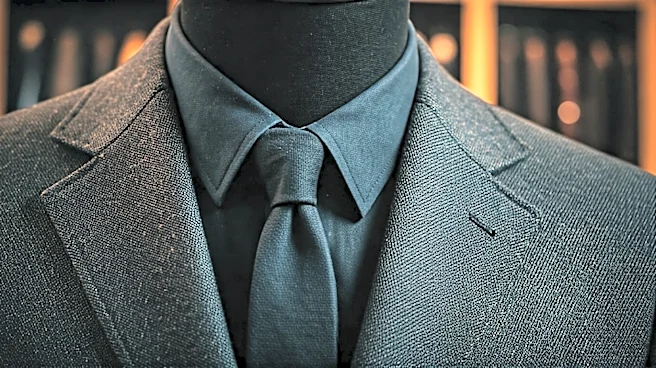


The Summer Suit Paradox
The traditional wool suit is a marvel of structure and drape, but it’s also a heat trap. Its dense weave is designed for insulation, making it an enemy of comfort once the temperature climbs past 70 degrees. For decades, the default warm-weather solutions
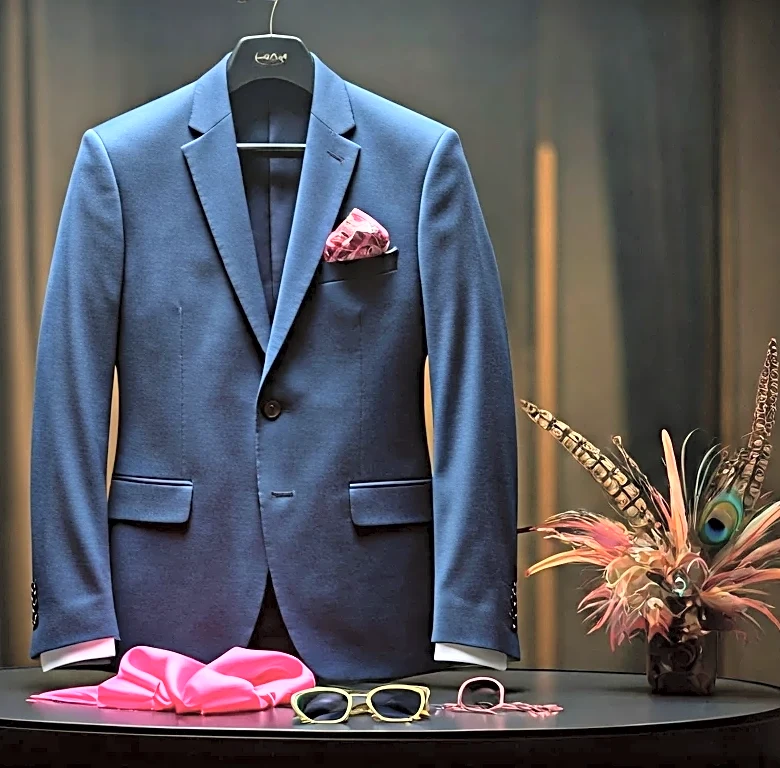
were linen or cotton, fabrics that are indeed cooler but come with their own downsides—namely, a tendency to wrinkle if you so much as look at them. This created a dilemma for the style-conscious: sacrifice the sharp, structured look of wool for comfort, or suffer in the heat? The peacocks of Pitti Uomo, however, know there's a third way. They embrace wool, but a very specific, technologically advanced version of it: open-weave wool.
What Is Open-Weave Wool?
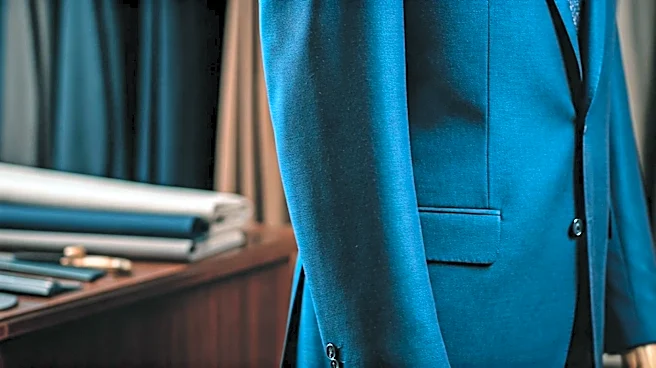
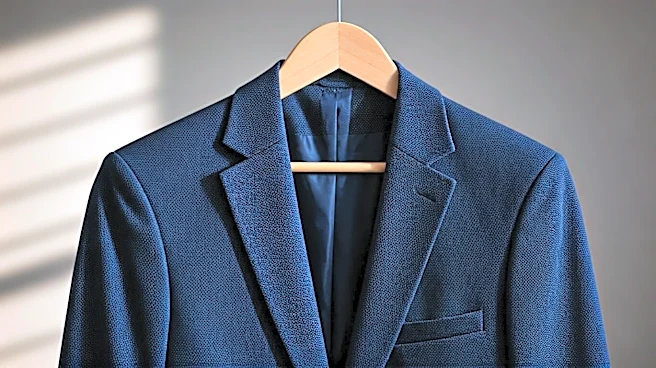
At its core, open-weave wool is exactly what it sounds like: a fabric where the threads are woven together with more space between them than in a typical worsted or flannel. Think of it like a screen door versus a solid pane of glass. While a traditional suit fabric is a dense barrier, an open weave is a porous mesh that allows for significant airflow. This construction is what makes it the MVP of the summer wardrobe. You get the benefits of wool—its natural elasticity, elegant drape, and moisture-wicking properties—without the insulation. Common names you'll hear for this type of fabric include “Fresco” (literally “fresh” in Italian), “hopsack,” and “tropical wool.” While they have subtle differences, they all share the same fundamental principle of breathability through structure.
The Secret Starts with a High-Twist Yarn
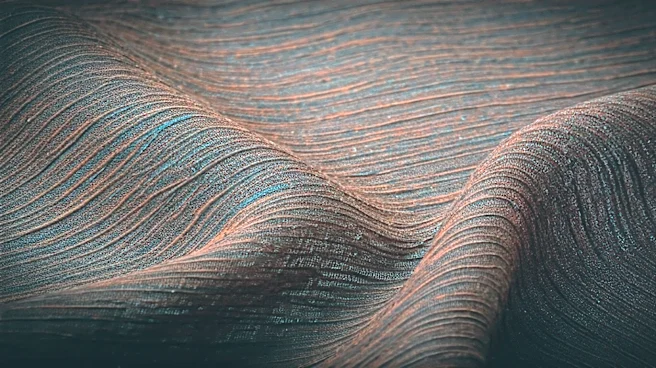
The magic of open-weave wool doesn't just come from the weave; it starts with the yarn itself. The wool fibers are spun into yarn that is “high-twist.” This means multiple strands of yarn are twisted together very tightly, much like a coiled spring. This process does two critical things. First, it creates a very strong, wiry, and durable yarn. Second, it gives the yarn a dry, crisp feel and incredible “memory.” This spring-like quality is what makes high-twist fabrics exceptionally wrinkle-resistant. When the fabric is crushed or folded, the tightly twisted yarns naturally want to spring back to their original shape. For a traveler or someone wearing a suit all day, this is a game-changer.
From Springy Yarn to Airy Fabric
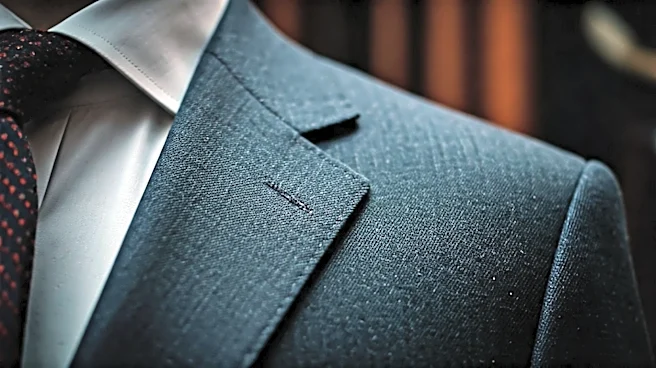
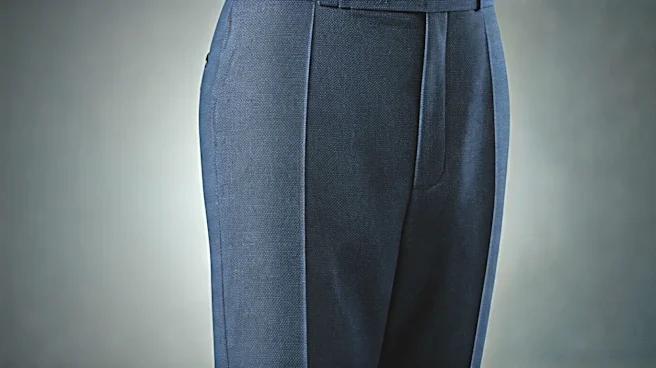
Once you have this high-twist yarn, it's woven into a fabric, typically using a simple “plain weave”—the most basic pattern of one thread over, one thread under. But because the yarn is so wiry and strong, the weaver can leave tiny, microscopic gaps between each thread without compromising the fabric’s structural integrity. This is the “open” part of the weave. The result is a fabric that feels substantial yet lets air pass right through it. If you hold a swatch of tropical wool or Fresco up to the light, you can often see the tiny pores that make it so breathable. It’s a perfect marriage of raw material and engineering, creating a natural form of air conditioning for your body.
The Real-World Benefits
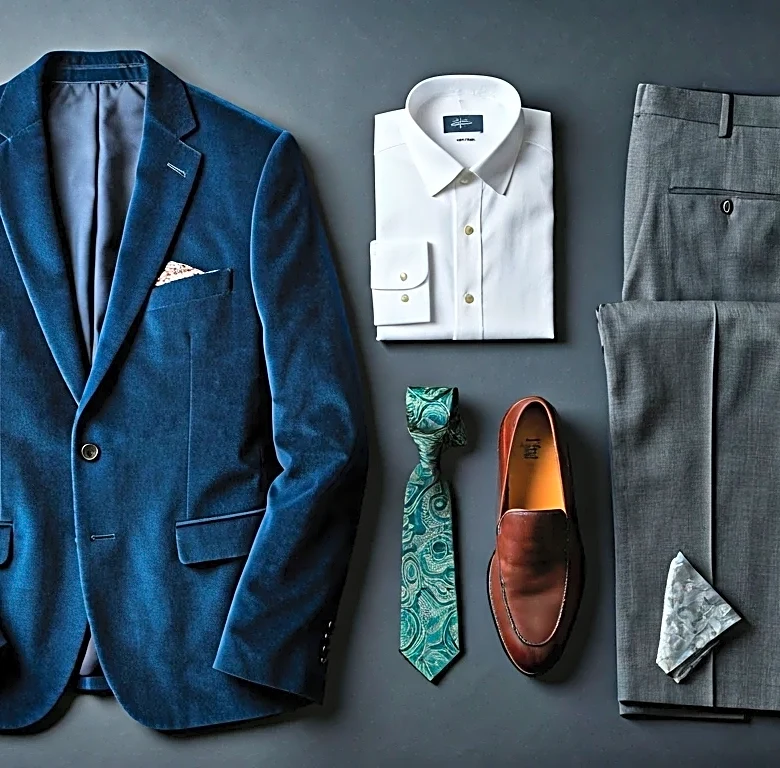
So, what does this fabric science mean for you? It means you can wear a beautifully tailored blazer or a full suit on a hot day and remain comfortable. The breathability keeps you cool, preventing the dreaded feeling of a suit jacket turning into a personal sauna. The natural wrinkle-resistance means you can pack a suit for a business trip or a summer wedding and have it look crisp right out of the suitcase. Furthermore, the crispness of the fabric gives it a magnificent drape; it hangs cleanly from the body, maintaining a sharp silhouette that softer fabrics like linen can’t replicate. It's the ultimate sartorial hack: the performance of a technical garment with the timeless elegance of classic tailoring.