
The Arena: A Masterclass in Scale
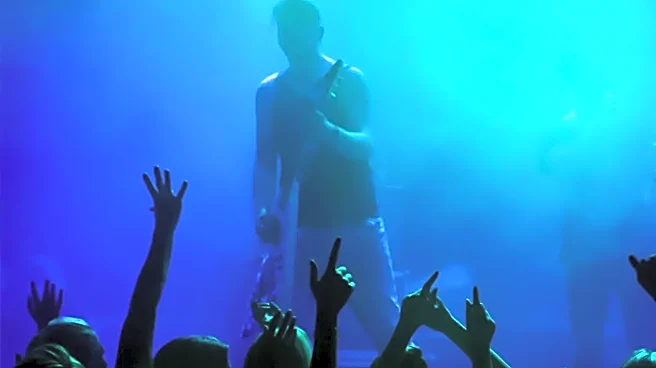
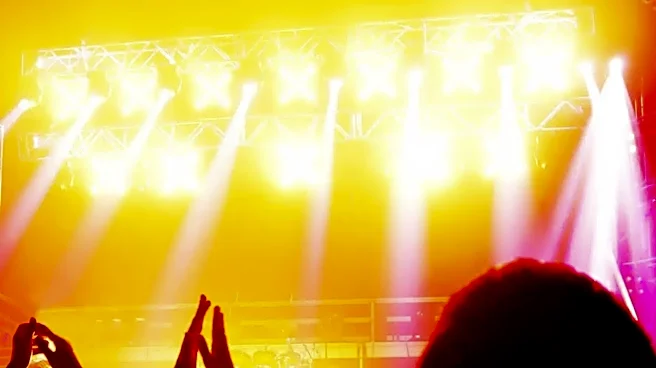
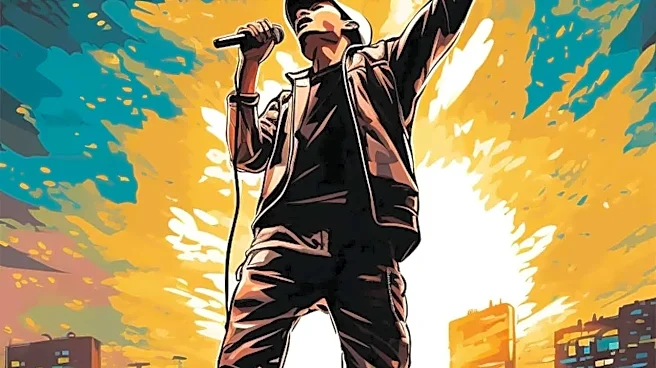
An arena tour is the music industry’s heavyweight champion. It represents a commercial peak, a testament to an artist's power to fill 20,000 seats a night. The production is immense, with towering video screens, complex choreography, and a setlist often
locked in place to sync with lighting and effects. For the artist, it's a triumph of logistics and stamina. However, that scale comes with a trade-off. The distance between the performer and the last row is not just physical, but often emotional. The experience is designed to be replicated flawlessly from city to city, which can limit spontaneity. While the energy of a massive crowd is undeniable, some artists find the sheer size creates a disconnect, making authentic interaction nearly impossible. The show is a perfectly polished product, but the repetition and scale can be creatively constraining.
The Festival: A Crucible of Connection
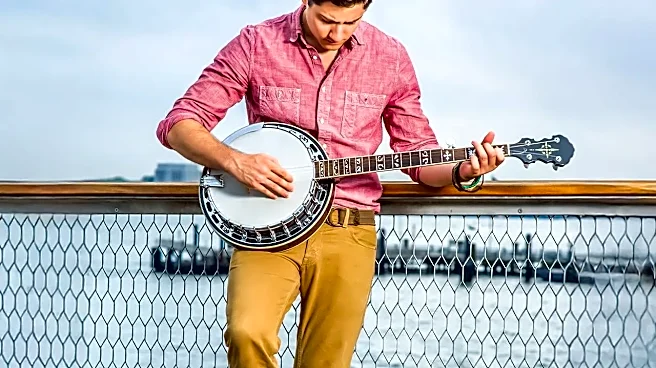
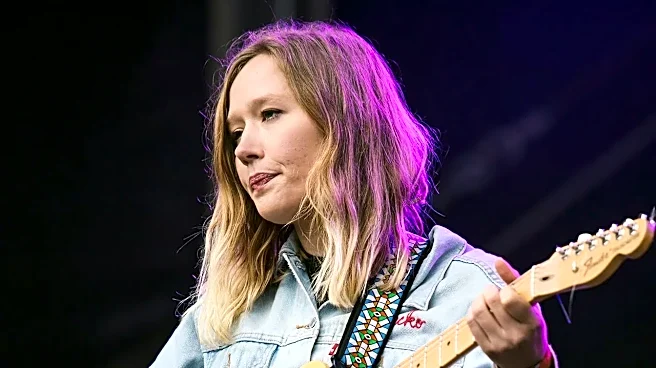
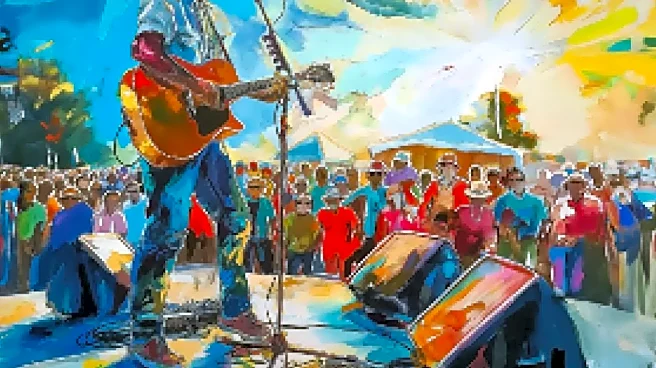
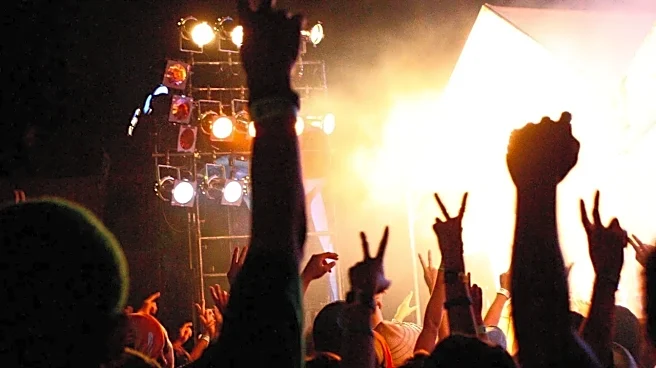
Then there’s the Newport Folk Festival. Held at Fort Adams State Park, it’s a world away from the concrete and steel of an arena. Here, the currency isn't just ticket sales; it's credibility and community. For musicians, playing Newport is a rite of passage. Artists from Brittany Howard to The Lumineers' Wesley Schultz have commented on how the festival feels different, like a place to be accepted and healed. The audience is famously attentive, known for listening patiently to new material or politically charged songs that might not land the same way elsewhere. This creates an environment where artists feel safe to be vulnerable, experiment with their sound, and connect on a deeper level. The physical proximity in a smaller setting breeds a powerful intimacy that's hard to replicate on a grander stage.
The Freedom of Fewer Fire-Breathing Robots
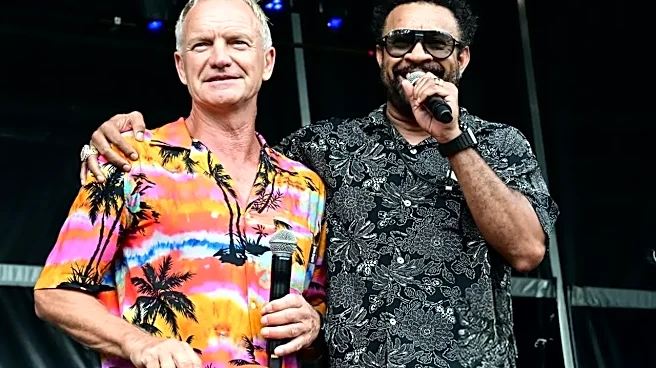
One of the biggest gains for artists at a place like Newport is creative liberty. Arena tours are tightly scheduled machines; a two-hour set might have every second accounted for. Newport, by contrast, is legendary for its spontaneity. Surprise collaborations are not just a bonus but an expectation. One set might see an indie darling bring out a rock legend for a duet, or a band might gather around a single microphone for an acoustic rendition. In recent years, impromptu jams have featured everyone from Brandi Carlile and Dave Matthews to Mavis Staples and Brandon Flowers. This collaborative spirit encourages artists to step outside their comfort zones, try out covers, and interact in ways that a structured tour simply doesn't allow. It’s less of a performance and more of a musical conversation happening in real-time.
Beyond the Bottom Line
Financially, an arena tour seems like the obvious winner. The revenue from ticket sales is massive. But the overhead is, too—production, staffing, and transport costs are staggering. A festival gig offers a different kind of value. While the fee might be lower than a string of sold-out arena dates, it provides a platform to build a loyal fanbase and earn a specific kind of cultural capital. Playing Newport aligns an artist with a legacy that includes Bob Dylan, Joan Baez, and Joni Mitchell. That's a form of validation that money can't buy. For emerging artists, it’s a launchpad; for established stars, it’s a chance to reconnect with their roots and reaffirm their artistry outside the commercial pressures of a major tour. As one artist noted, you come to Newport to connect—and the festival delivers.