




Redefining Performance
For decades, the idea of elegance was tied to delicate, natural materials. Silk, fine wool, and linen were the undisputed hallmarks of luxury, cherished for their beauty but known for their fuss. They wrinkled, stained, and often demanded careful handling.
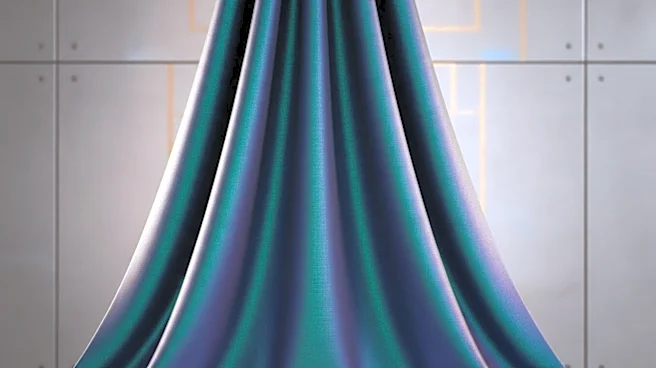
Technical fabrics, born from labs and engineered for function, were seen as their antithesis: practical, yes, but rarely poetic. That perception is now outdated. Today’s performance textiles are not just about waterproofing or extreme durability. The innovation lies in sophisticated materials that offer what was once impossible: the weightless structure of a bonded jersey, the matte finish of a performance taffeta, or the fluid drape of an engineered silk. These fabrics are engineered for a new set of demands where comfort, breathability, and ease of care have become key indicators of quality. The new luxury isn't just about how a garment looks, but how it feels and functions throughout a busy day.
The Demands of a Modern Wardrobe
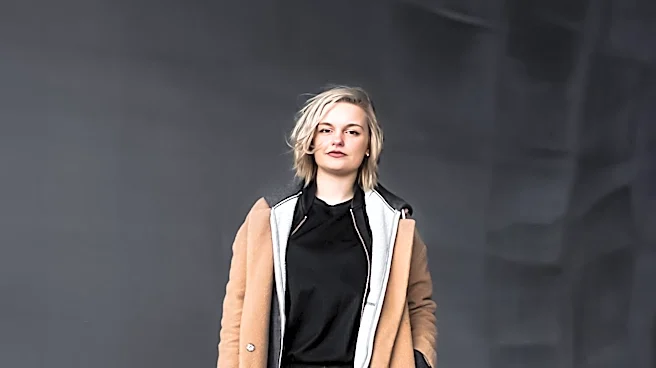
This shift is a direct response to our lifestyles. Life is more mobile than ever, blending work, travel, and leisure. A wardrobe must now perform across different climates and contexts without sacrificing style. A suit needs to emerge from a suitcase looking sharp, a dress must withstand a commute and still look impeccable for dinner, and a jacket should offer protection from an unexpected shower without compromising a polished silhouette. This is where technical fabrics excel. High-twist wools create suits that naturally resist wrinkles, springing back into shape after being packed. Blends with stretch fibers offer freedom of movement without losing their structure. Water-resistant finishes, once bulky, are now so subtle they can be applied to luxurious wool blends, allowing you to simply brush off a coffee spill. It’s a form of elegance rooted in resilience and practicality, designed for a life in motion.
From the Lab to the Runway
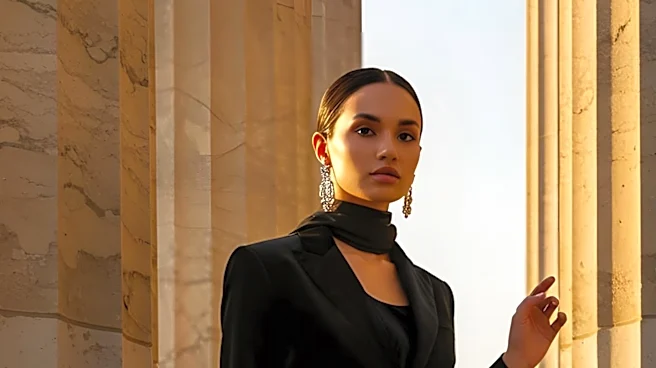
Luxury brands, once devoted almost exclusively to natural fibers, are now leading this charge. The collaboration between material scientists and fashion designers has given rise to what some call "technical couture." Italian powerhouse Zegna, for example, developed Techmerino, a treated merino wool that regulates heat and offers superior breathability. Loro Piana’s signature Storm System embeds weatherproof membranes into the finest cashmere and wool. These aren’t replacements for traditional fabrics but complements that expand the possibilities of design. Designers are using advanced polyesters, spun into micro-denier fibers finer than silk, to create garments that are both ethereal and tough. Even plant-based innovations, like lyocell and modal, offer a silky, soft feel with enhanced moisture control and biodegradability, merging sustainability with a high-end feel.
The Art of the New Silhouette
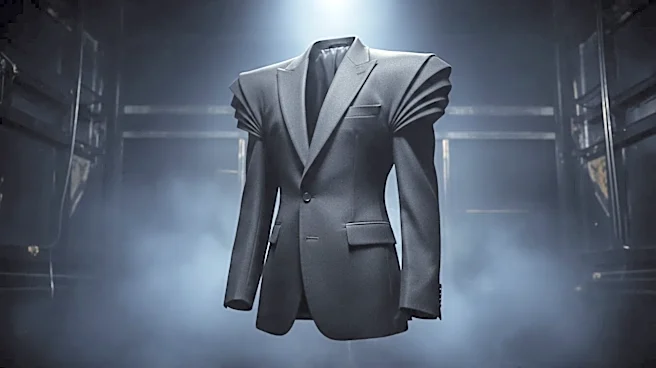
Ultimately, the elegance of these new materials is unlocked through styling. Technical fabrics allow for shapes and structures that were difficult to achieve with traditional textiles. Because they often have more body and memory, designers can create unlined blazers that hold a sharp, minimalist shape. Seams can be bonded or laser-cut for an exceptionally clean and modern finish. Pleats can be heat-set to remain perfectly crisp, defying humidity and wear. This fusion of fashion and technology gives designers a new vocabulary. The result is a different kind of beauty—one that is architectural, clean, and unencumbered. It’s an elegance that doesn’t require the wearer to be precious or still. Instead, it empowers them, offering a sophisticated armor for modern life that looks just as good at the end of the day as it did at the start.