








More Than a Game: It's Personal Identity
The reason a national team’s loss feels so personal is because, to our brains, it is. Psychologists call it social identity theory. A core part of how we see ourselves comes from the groups we belong to, and nationality is one of the most powerful. When
your country’s team plays in a World Cup, you aren't just watching 11 athletes; you're watching a version of yourself on the world stage. The team becomes an extension of your own identity. Their successes feel like your successes, which is why fans often say “we won.” Consequently, their failure feels like your failure. This psychological fusion explains why a loss can affect fans' self-esteem and even their outlook on their own lives. It’s not just a game; it's a public referendum on a part of you.
The Contagious Emotion of Fandom
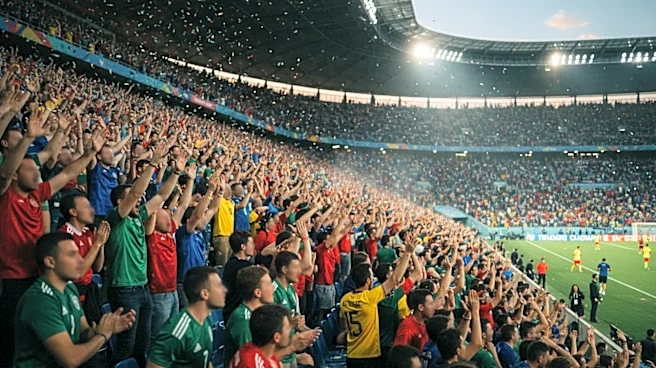
There’s also a neurological reason the joy and pain are so contagious. Our brains contain “mirror neurons,” which fire both when we perform an action and when we watch someone else perform it. When you see a striker score, your brain lights up in ways similar to how theirs does. When you see them miss a crucial penalty, you neurologically simulate that disappointment. This creates a powerful sense of empathy and shared experience. That feeling is amplified in a group setting. Being surrounded by fellow fans creates a feedback loop of emotion. You feel their tension, they feel yours, and the collective experience intensifies for everyone. It’s why the highs are higher and the lows feel so much deeper when you’re together.
A Shared Story with a Brutal Ending
A major soccer tournament is more than a series of matches; it’s a month-long national narrative. It involves rituals that bind a community together: wearing team colors, gathering at specific times, singing anthems, and sharing hopes and fears. This collective investment builds a powerful story. For a few weeks, millions of people are united by a single, simple goal. The heartbreak comes from the sudden, jarring end to that story. The narrative doesn't just conclude; it shatters. When a team is eliminated, especially in a dramatic fashion like a penalty shootout, it’s not just the loss of a game but the death of that shared dream. The abrupt end of the collective ritual and the story that went with it leaves a void, a feeling that sociologists have compared to the disruption of religious ceremonies.
The Price of Belonging
In an increasingly disconnected world, major sporting events offer a rare, powerful source of genuine community and belonging. For a few weeks, differences in politics, class, and background can feel less important than the shared identity of supporting a team. That connection is real, and so is the pain when it ends. The communal heartbreak, as difficult as it is, is the flip side of the communal joy. It’s the price of admission for caring about something bigger than yourself, together. The grief isn't a sign of weakness or misplaced priorities; it’s proof that the connection was meaningful. It’s the ache that reminds you that for a little while, you were part of a collective hope, and that is a powerful human experience worth having, even when it hurts.