
Permission to Break the Rules
The magic of a Halloween episode begins on the page. For 21 minutes, the established rules of the show can be bent or even broken. On non-supernatural shows, the holiday provides a narrative excuse to introduce otherwise impossible elements like curses,
ghosts, or zombies, often for comedic effect. This gives writers a unique chance to play in a different sandbox. A show like "Modern Family" could dedicate an entire episode to Claire Dunphy's obsessive and elaborate haunted house plans, transforming their familiar suburban home into a character's personal Halloween masterpiece. These episodes often become annual traditions, allowing shows like "Brooklyn Nine-Nine" with its heist episodes or "The Simpsons" with its "Treehouse of Horror" specials to create beloved, recurring events that let the creators flex their creative muscles outside the normal series format.
Painting with Shadows and Fear
The most powerful tool for transformation is lighting. A typical sitcom is filmed with high-key lighting—bright, even, and with few shadows—to create a warm, inviting atmosphere. Horror lighting does the opposite. Production crews swap the warmth for low-key lighting, which uses deep shadows and high contrast to create mystery and unease. Techniques borrowed straight from horror films are employed to make the familiar feel alien. Uplighting, like holding a flashlight under your chin, casts eerie shadows on faces. Backlighting can create menacing silhouettes. A tilted camera, known as a Dutch angle, can make a scene feel off-kilter and psychologically unsettling. Suddenly, the hallway the kids run down every day feels like a corridor in a haunted house.
The Art of Set Dressing
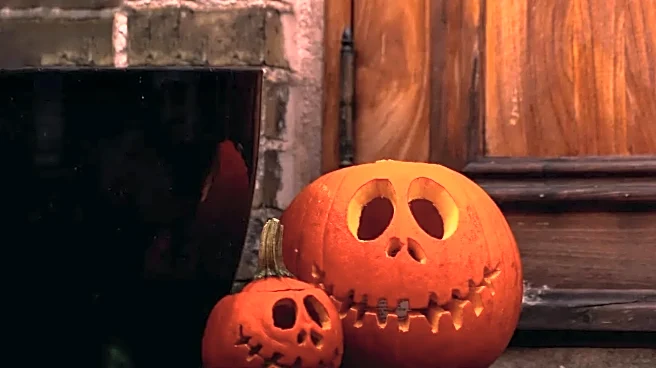
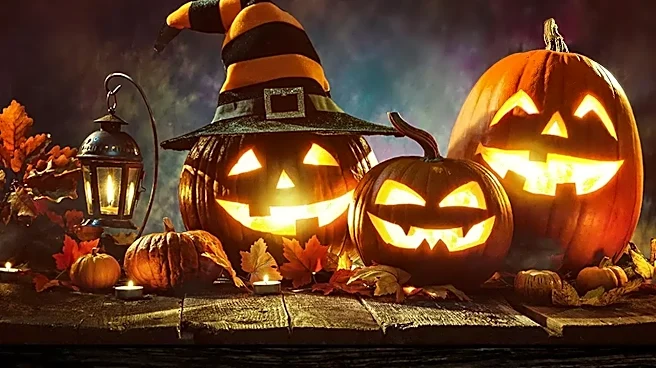
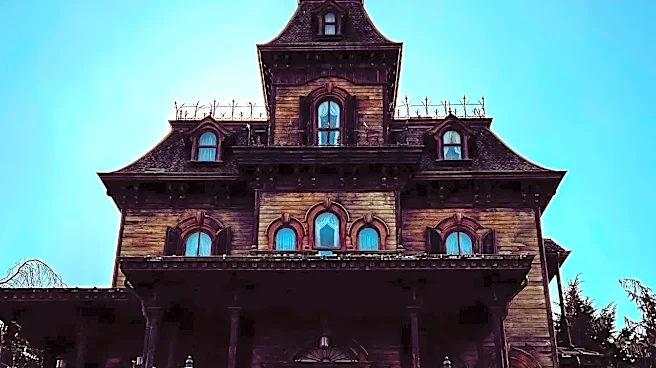
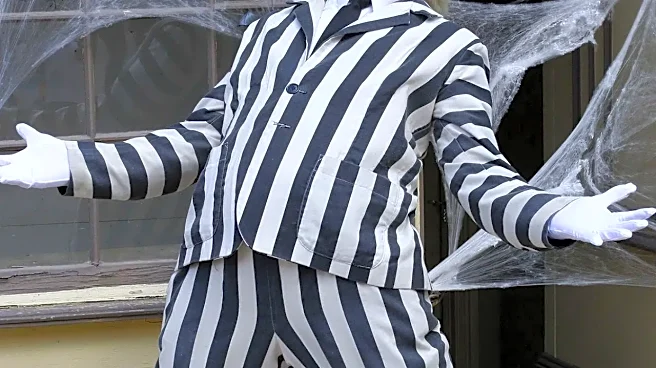
With the lighting set for dread, the art department comes in to complete the visual transformation. This is more than just throwing a few plastic spiders on a table. In shows like "Roseanne" or "Home Improvement," the entire set would be redressed to become a full-fledged Halloween event. Set designers add layers of texture that scream horror: dense cobwebs, flickering jack-o'-lanterns, and often a fog machine to add atmosphere and diffuse light in a spooky way. Everyday objects are either hidden in shadow or replaced with something more sinister. The family portrait on the wall might now have glowing red eyes, and the comfortable armchair in the corner could be hiding a prop skeleton. This careful layering of horror iconography over a known environment is what sells the transformation and makes the home itself feel like a threat.
What You Hear Is Scarier
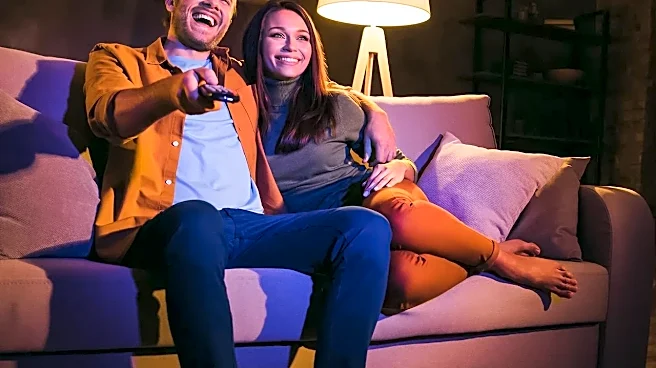
The final piece of the puzzle is sound. In a standard sitcom, the audio is predictable: dialogue, a laugh track, and upbeat transitional music. Halloween episodes often strip this away. The laugh track might disappear entirely, replaced by an unnerving silence that makes every creak of the floorboards feel significant. Sound designers create a soundscape of dread, using a library of horror staples: distant thunder, howling wind, unsettling whispers, and distorted noises. Music shifts from cheerful tunes to suspenseful, low-frequency scores designed to create a physical sense of unease, sometimes using infrasound that audiences feel more than hear. This combination of removing comforting sounds and adding frightening ones bypasses our logical brain and triggers a more primal fear response, completing the home's terrifying makeover.