

The Death of the Dog-Eared Schedule
Not long ago, the quintessential festival experience involved a folded, increasingly worn-out paper schedule. You and your friends would circle your must-see acts, agree on a 'what if we get separated' meeting spot, and hope for the best. The schedule was
law, a static document handed down by the festival organizers. Losing your friends meant a frantic search or resigning yourself to seeing the next three bands alone. Finding them again was a moment of pure, dumb luck. But the era of the smartphone, and specifically the group chat, has completely upended this dynamic. The rigid, top-down schedule has been replaced by a fluid, crowd-sourced agenda that shifts with every new message. The power has moved from the promoter's printout to the palm of your hand.
Anatomy of the Festival Group Chat
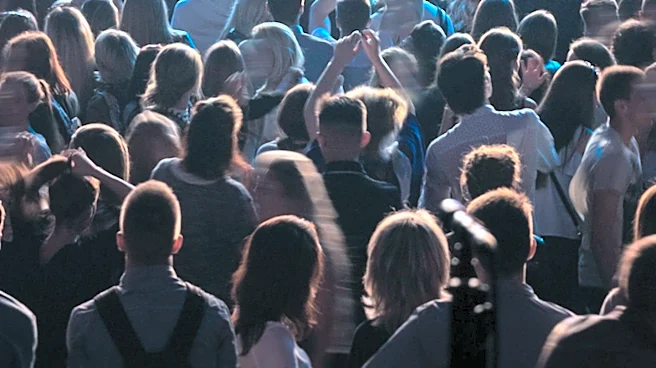
The modern festival group chat is a vibrant, chaotic ecosystem of information. It serves multiple functions at once, creating a real-time nerve center for the friend group. First, there's the logistical chatter: “Line for the main stage is insane, let’s go to the Sahara tent instead.” or “Meet at the giant astronaut in 15.” These messages help navigate the sprawling, often confusing festival grounds. Then there is the opportunistic layer. This is where the magic happens: a friend of a friend sends a tip about a secret DJ set, someone spots a celebrity in the VIP area, or a notification alerts the group that a surprise guest just walked on stage across the grounds. This is information you'd never find on an official schedule. Finally, there's the social glue—memes about a particularly wild outfit, photos of the sunset, and running commentary that keeps the group connected even when they’re physically apart. It’s a shared digital scrapbook being created in the moment.
Spontaneity, Optimized
The primary benefit of this new system is a kind of optimized spontaneity. While it might seem counterintuitive, being constantly connected allows for more flexible and serendipitous experiences. Instead of being locked into a pre-determined plan, groups can pivot instantly. Heard your favorite artist’s set is a washout? The group chat can collectively decide to abandon it for a smaller, more intimate stage that’s getting rave reviews online. This constant flow of information empowers attendees to dodge logistical nightmares like impossibly long food lines or overcrowded bathrooms, maximizing their enjoyment. It also fosters a stronger sense of shared adventure; the group navigates the festival as a single, adaptable unit, making collective decisions that enhance the experience for everyone involved. The official schedule becomes a list of suggestions, not a set of commands.
The Tyranny of the Notification
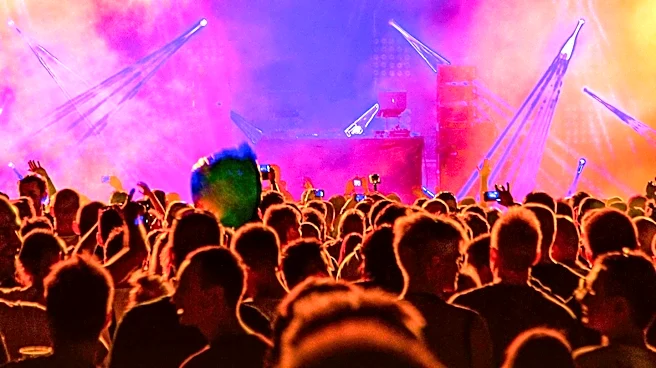
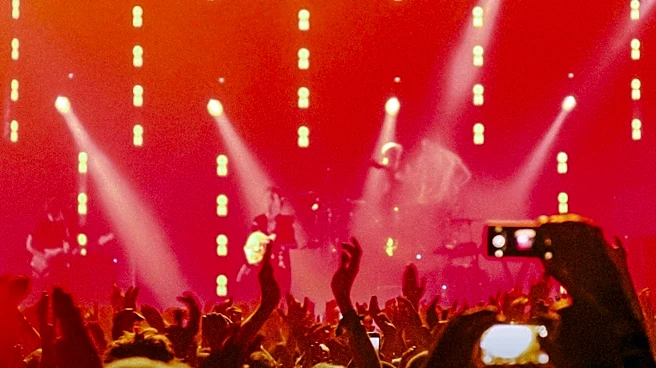
However, this digital hive mind has a dark side. The constant stream of updates can easily create a powerful sense of FOMO, or the 'fear of missing out'. Just as you’re settling in to enjoy a set, a message pops up describing an 'epic' moment happening at another stage, leading to instant regret or anxiety. Are you at the 'right' stage? Are your friends having more fun somewhere else? This pressure can prevent you from being present and enjoying the performance right in front of you. The very tool that connects everyone can also detract from the core experience of live music. Many artists and purists lament the sea of phone screens, arguing it creates a disconnect between the performer and the audience. The drive to document and share every moment for the group can sometimes overshadow the moment itself.