
#5: The Surprise
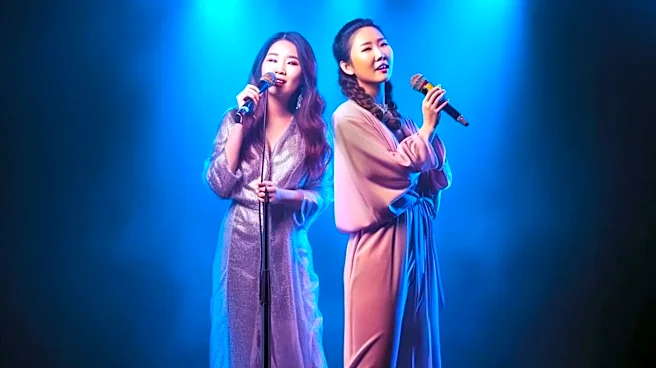
Let’s be honest: a surprise guest or a brilliantly unexpected cover song is pure dessert. It’s the moment that floods social media feeds, the “you had to be there” anecdote you’ll tell for weeks. Think of when Harry Styles brought out Shania Twain at Coachella
or when Beyoncé reunited Destiny’s Child. These moments are iconic, creating a unique, one-night-only experience. But they are a bonus, not a foundation. A show leaning too heavily on a surprise risks feeling gimmicky, and a truly great performance doesn't require a special guest to feel complete. It’s a spectacular flourish, but if the rest of the show is weak, a surprise is just a glittering distraction from a core problem. It adds immense value but cannot create it from scratch.
#4: Stagecraft
Pyrotechnics, elaborate lighting rigs, massive video screens, and choreographed dancers—stagecraft is the visual spectacle. It can transform a concert into a multi-sensory cinematic event. Artists like Beyoncé have built their legends on shows that are as much theatrical productions as they are musical performances. When done right, stagecraft amplifies the music’s emotional weight. However, it can also be a crutch. An artist who relies on overwhelming visuals to compensate for a lack of personal magnetism or a weak performance often leaves the audience feeling cold. Some of history's most powerful festival moments happened on a bare stage with nothing but an artist and their instrument. Stagecraft makes a great show bigger, but it can’t make a boring show great.
#3: Vocals
This might be a controversial placement for some, but in a festival environment, perfect vocals aren't the be-all and end-all. Yes, vocal competence is non-negotiable; nobody pays to hear an artist lip-sync or sound wildly off-key. The audience needs to trust that the person on stage can actually sing. But technical perfection is less important than emotional delivery. A voice cracking with genuine passion during a powerful ballad is often more memorable than a flawless, studio-perfect rendition that lacks heart. The voice is the primary vehicle for the song, but a festival crowd will forgive a few imperfections if the performance feels raw, real, and immediate. It’s essential, but it’s not the most essential.
#2: The Setlist
The setlist is the script of the show, the narrative journey the artist takes the audience on. A poorly constructed setlist can kill a performance before it even gets going. It's an art form that requires a deep understanding of pacing, momentum, and crowd psychology. Starting too slow can lose the crowd's attention, while playing all the hits upfront can leave the back half of the show feeling empty. The best setlists create an ebb and flow, building energy, offering moments of quiet intimacy, and culminating in a euphoric peak. It’s about more than just playing the right songs; it’s about playing them in the right order to tell a story and control the emotional temperature of a massive field of people.
#1: The Energy
This is it. The single most important element. Energy is the invisible, electric current that flows between the performer and the audience. It’s the charisma, the passion, the sheer force of will that makes tens of thousands of people feel like they are part of a singular, collective moment. An artist with incredible energy can make a flawed vocal sound powerful, a simple stage feel epic, and a mid-tempo song feel like an anthem. It’s the difference between watching a performance and experiencing it. Energy is what gets a crowd to sing along to a song they've never heard, what makes them forget they’re tired and dehydrated, and what creates the core memories that last long after the final chord has faded. Without it, even the most technically perfect show is just a sterile recitation. With it, anything is possible.