
The Ultimate Gamble: Killing the Vibe
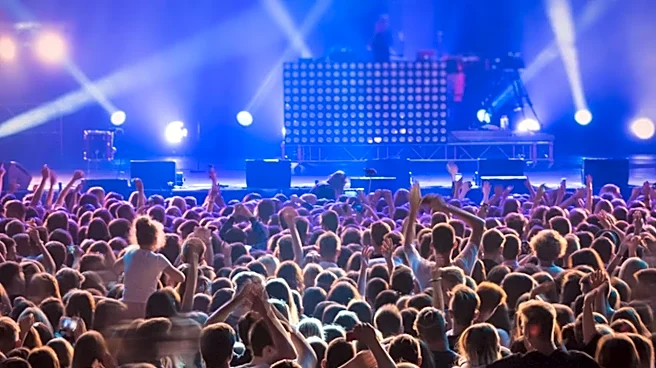
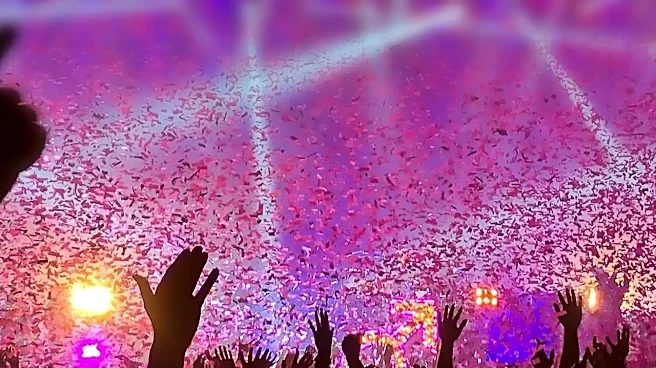
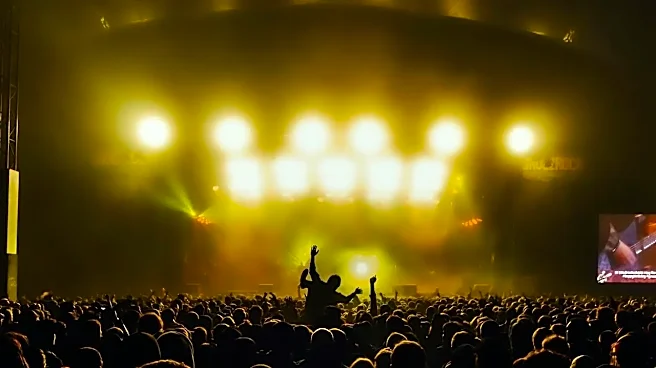
Imagine a sea of people, shoulder to shoulder, bouncing to a relentless beat. The energy is electric, a shared currency of joy and movement. Then, the unthinkable happens. The kick drum vanishes, the tempo plummets, and the familiar chords of a slow song
begin. This is the ballad, and in a festival environment, it’s the ultimate artistic gamble. The primary risk is simple: momentum. Festivals are a marathon of stimuli, with multiple stages competing for attention. An artist’s job is to grab a crowd and hold it. High-tempo, familiar hits are the safest way to do that. A ballad, by contrast, asks the audience to stop dancing, quiet down, and listen. It’s a moment of intentional deceleration that can easily backfire. If the crowd isn’t fully captivated, the energy doesn't just dip—it evaporates. The collective euphoria can curdle into chatter, phone-scrolling, and a mass exodus toward the food trucks or the DJ tent next door.
Anatomy of a Failed Ballad
A poorly placed ballad is painful to watch. It often happens with newer artists who haven't yet earned the crowd's unconditional trust, or with songs that aren't widely known. The signs are immediate. The thousands of voices that were just singing along fall silent. The sea of faces, once turned to the stage, now turn to each other in conversation. The artist, who intended to create a moment of profound connection, is left performing into a void of polite indifference. Fast-paced music energizes a crowd, tapping into the brain's emotional center and encouraging movement. A ballad does the opposite, asking for introspection and calm. In a setting fueled by adrenaline and social energy, this request can feel like a chore. The artist is essentially asking a sprinting runner to stop for a moment of quiet reflection. Without the right context or a truly iconic song, the crowd will simply keep running—away from the stage.
The Payoff: A Moment of Mass Intimacy
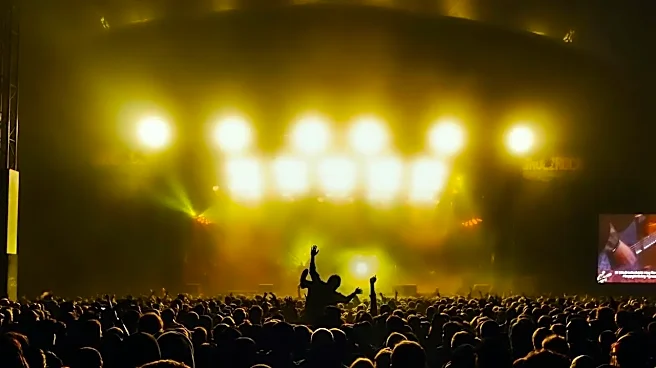
But when the gamble pays off, it creates the most transcendent moments in live music. A successful festival ballad doesn't kill the energy; it transforms it. Instead of a thousand individual dancers, the crowd becomes a single, unified choir. Think of Dolly Parton singing "I Will Always Love You" at Glastonbury or Elton John playing "Your Song." These aren't just breathers in a set—they are the emotional climax. In these moments, the chaos of the festival melts away, replaced by a feeling of shared humanity. For a few minutes, 80,000 strangers are connected by a single melody and a shared feeling. It’s the kind of powerful, music-evoked memory that attendees talk about for years. This is the magic an artist is chasing: to create a moment so powerful it cuts through the noise and creates a pocket of intimacy in the middle of a massive field.
The Strategic Ballad
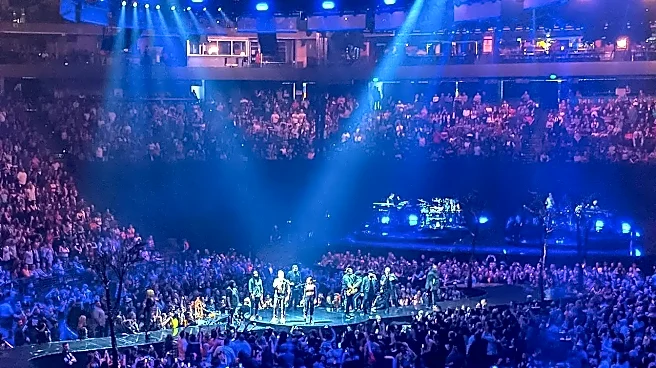
A successful ballad performance is rarely a happy accident. It’s a strategic decision rooted in confidence and an understanding of crowd psychology. Several factors are at play. First, the song choice is critical. It almost always has to be an iconic, universally beloved track that inspires an instant singalong. Second, placement matters. Dropping a ballad too early is a death sentence. It typically works best mid-set, after the artist has established a strong rapport and high energy, or just before the final run of explosive hits. Finally, the artist's stature is key. A headliner with a deep catalog and a proven connection to their audience has the authority to slow things down. They've earned the right to ask for the crowd's full attention. When an artist like Beyoncé or Paul McCartney plays a ballad, it's not a risk; it's a coronation.