




The Dawn of an Unprecedented Era
Imagine if a state the size of Maryland suddenly produced a dozen NBA All-Stars at the exact same time. That was Belgium in the early 2010s. For a country of just 11 million people, the emergence of its “Golden Generation” felt like a statistical miracle.
Suddenly, the world’s biggest clubs were built around Belgian talent: Eden Hazard, a magician with the ball at his feet, was lighting up Chelsea. Kevin De Bruyne was becoming the best playmaker on the planet at Manchester City. Romelu Lukaku was an unstoppable goal-scoring force. In defense, they had the brilliant captain Vincent Kompany, and in goal, the towering Thibaut Courtois. On paper, it was an all-star team, a fantasy lineup made real. They weren’t just good; they were cool. They played an exciting, attacking brand of soccer that made them a favorite for neutrals and a source of immense national pride.
The Peak and the Painful Near-Miss
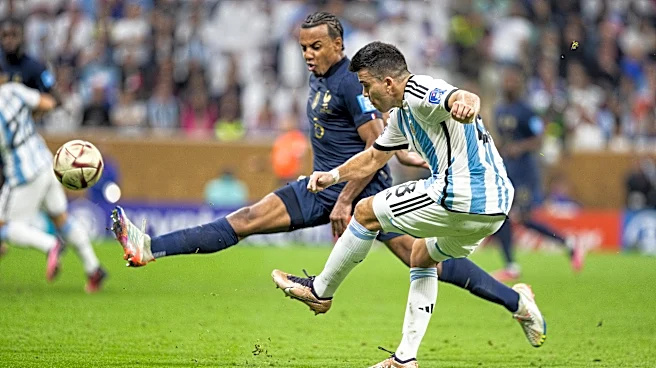
The 2018 World Cup in Russia was supposed to be their coronation. The team was at the absolute peak of its powers, a perfect blend of youthful energy and veteran experience. They navigated the group stage with ease and then authored one of the greatest comebacks in World Cup history, turning a 2-0 deficit into a 3-2 win against Japan in the final seconds. Their quarter-final performance against Brazil was a tactical and technical masterclass, a stunning 2-1 victory that announced their arrival as true contenders. The path to glory was clear. But then came the semi-final against their neighbors, France. In a tense, cagey affair, Belgium dominated possession but couldn't break through. A single goal from a corner kick was enough for France to win 1-0. The Belgians went home with a bronze medal, but the dream was shattered. This was the moment—the peak of their ability and their closest brush with immortality. It would haunt them forever.
The Heavy Crown of Number One
Following the 2018 World Cup, Belgium did something remarkable: they spent the better part of four years as the #1 ranked team in the world according to FIFA. Yet, this ranking became less of an honor and more of an albatross. It created a crushing weight of expectation without the release valve of a trophy. Every tournament they entered—the delayed Euro 2020, the Nations League finals—they were the favorites, and every time they fell short. Questions began to swirl around their manager, Roberto Martínez. Was he too tactically rigid? Was his loyalty to the aging stars of the Golden Generation preventing the team from evolving? While other nations refreshed their squads, Belgium’s core remained the same, growing older together. The #1 ranking felt hollow, a reminder of their potential rather than their achievements.
The Bitter End in the Desert
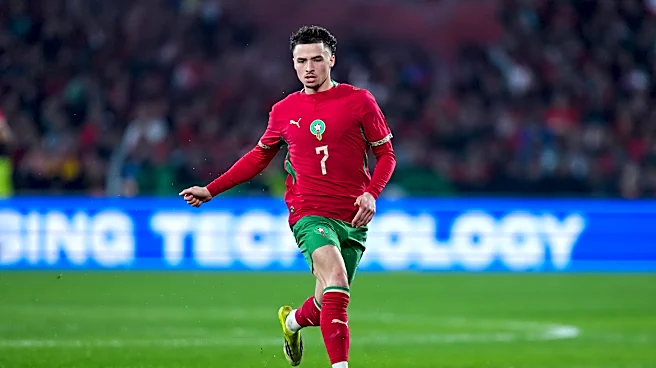
If 2018 was the peak, the 2022 World Cup in Qatar was the bitter, ignominious end. The magic was gone. The cracks that had been papered over for years finally split open. Before the tournament, Kevin De Bruyne gave a now-infamous interview, stating bluntly, “No chance, we’re too old.” Reports of infighting and fractured relationships within the squad leaked to the press. On the field, they looked slow and uninspired. They labored to a 1-0 win over Canada, were soundly beaten by Morocco, and crashed out of the group stage after a scoreless draw with Croatia—a game in which Romelu Lukaku missed a series of shocking, open-goal chances. It was a tragic spectacle: the once-mighty generation reduced to a dysfunctional, aging team, exiting the world stage with a whimper.