



The Blueprint for a 'Final Girl'
When John Carpenter’s 'Halloween' premiered in 1978, it didn't just introduce a new villain; it gave us a new kind of hero. Jamie Lee Curtis's Laurie Strode wasn't the genre's first 'final girl', but she became the archetype. Unlike her friends, Laurie was studious,
responsible, and observant. She wasn't a passive victim waiting to be saved. She was resourceful, intelligent, and fought back with everything she had, from a knitting needle to a wire hanger. This portrayal of a capable young woman defending herself resonated deeply with audiences and established a new, more complex standard for horror protagonists. Curtis gave Laurie a relatable vulnerability combined with an inner steel that made her survival feel earned, not just lucky.
The Shape of Pure Evil
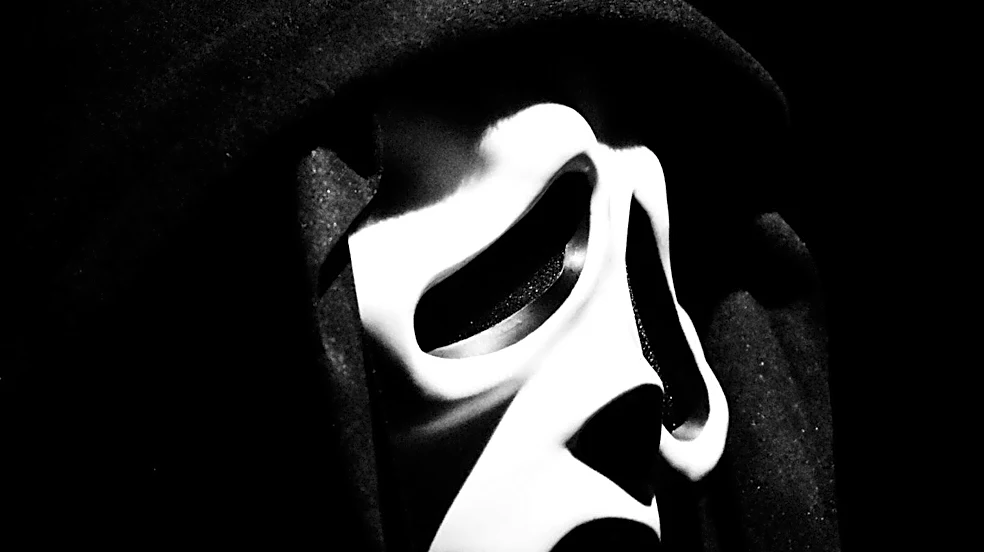
Opposite Laurie is Michael Myers, a character defined by his terrifying lack of definition. Called 'The Shape' in the original script, Michael is less a person and more a force of nature. He doesn't speak, his motives are chillingly obscure, and his blank, white mask reveals no emotion. This makes him a perfect vessel for our darkest fears. Unlike quippy villains like Freddy Krueger or tragic figures like Frankenstein's monster, Michael is pure, implacable dread. His slow, deliberate walk is somehow more frightening than a sprint; it says that he is inevitable. This simple, primal concept of evil has made him a cultural icon, influencing countless slasher villains that followed.
An Epic, Decades-Long Rivalry
While other horror franchises moved on to new sets of victims, the 'Halloween' series understood the power of its central conflict. The story, across multiple timelines and reboots, always comes back to Laurie and Michael. This has transformed their struggle from a single night of terror into a multi-generational saga. The most recent trilogy, which began in 2018, ignored every sequel except the original, positioning itself as a direct 40-year follow-up. This masterstroke re-centered the narrative on Laurie's trauma and her decades-long preparation for Michael's return. It turned a slasher story into a mythic showdown between an unbreakable survivor and an unstoppable evil.
The Undeniable Power of a Star
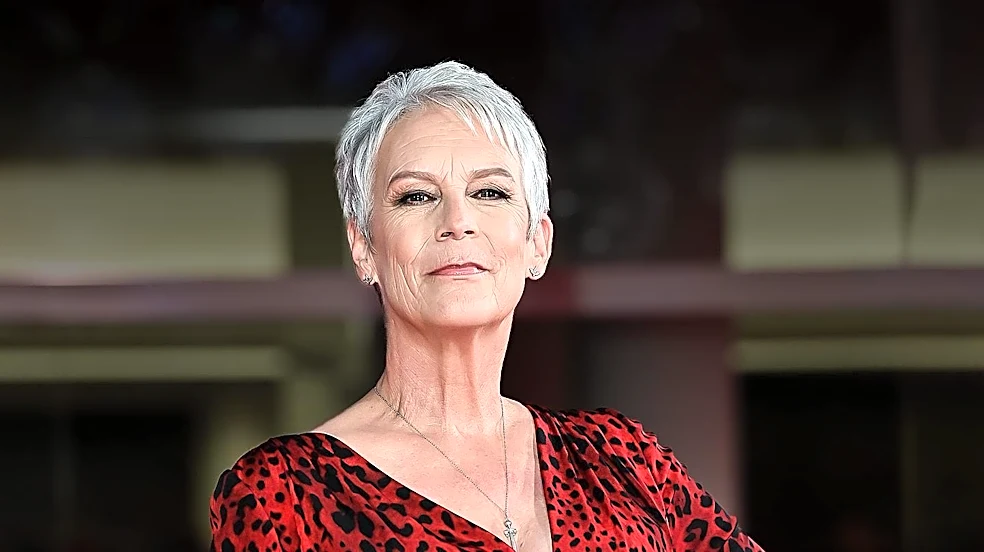
You cannot discount the Jamie Lee Curtis factor. Her return to the franchise was not a reluctant cash-in; it was a passionate reclamation of the character that launched her career. Curtis herself has said that everything good in her life can be linked back to Laurie Strode. She championed the modern trilogy's exploration of Laurie as a woman radicalized by trauma, a grandmother protecting her family at all costs. Her enthusiastic promotion and genuine love for the role created an infectious energy. Seeing a woman in her 60s lead a major box office hit—and a slasher film, no less—was a powerful statement that resonated with longtime fans and new audiences alike. The films became events because she made them events.
More Than Just a Nostalgia Act
While nostalgia is a powerful force, the recent films succeeded because they used the familiar framework to explore modern anxieties. The 2018 'Halloween' and its sequels, 'Halloween Kills' and 'Halloween Ends', became a canvas for themes of generational trauma, survivor's guilt, and the nature of communal fear. The conflict was no longer just about a babysitter and a boogeyman; it was about how an entire town grapples with its dark history. Though the sequels received mixed reviews, they continued to generate significant box office returns, proving the core concept remains potent. The dynamic between Curtis and Myers provides a durable, compelling vehicle for storytelling that audiences are still eager to watch.