



For most, Thanksgiving conjures images of family, gratitude, and a table groaning with food. But in the dark corners of cinema, the horror genre sees an opportunity to turn this wholesome holiday into a canvas for absolute terror.
An Appetite for Destruction
The centerpiece of any
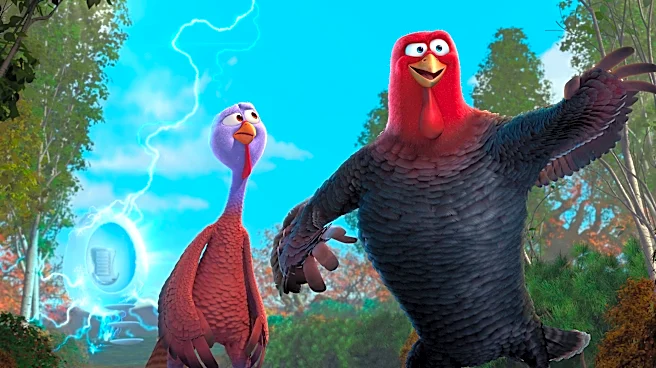
Thanksgiving is the meal, a symbol of abundance and communal joy. Horror movies delight in corrupting this very symbol. The act of carving a turkey becomes a grotesque parody of violence, and the feast itself turns into a stage for unspeakable acts. Look no further than the low-budget cult classic 'ThanksKilling,' where a homicidal, one-liner-spouting turkey goes on a rampage. It’s absurd, yes, but it taps into a primal unease by transforming a source of nourishment into a predator. More recently, Eli Roth’s 'Thanksgiving' took this a step further, with a killer who creates a horrifying dinner table scene where one victim is cooked and presented like the main course. The message is clear: in horror, the very thing that’s meant to bring everyone together is what will tear them apart, literally.
The Uninvited Guest
Beyond the food, Thanksgiving is about gatherings. But what happens when that gathering becomes a trap? Horror films understand the inherent tension of holiday get-togethers. Forced family reunions and the isolation of a 'home for the holidays' setting are ripe for terror. The 1987 slasher 'Blood Rage' uses a Thanksgiving family dinner as the backdrop for a murderous spree by an evil twin, turning sibling rivalry into a bloodbath. The film 'Kristy' explores a different kind of holiday dread: being left alone. It follows a college student who stays on a nearly deserted campus over Thanksgiving break, only to be targeted by a violent cult. These films prey on the anxieties that simmer just beneath the surface of festive cheer—the fear of being trapped with people you’d rather avoid, or the chilling vulnerability of being utterly alone when everyone else is supposed to be safe with family.
A Parade of Mayhem
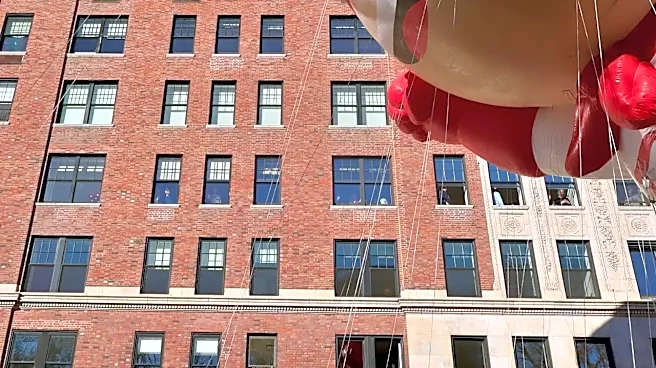
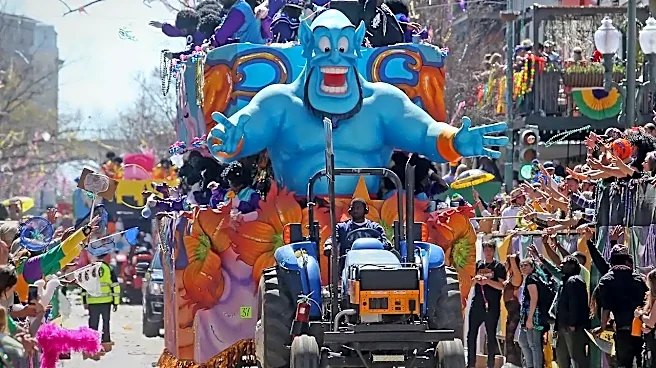
Public celebrations are another tradition horror loves to dismantle. Parades, with their cheerful crowds and festive floats, become arenas for mass chaos. Eli Roth’s 'Thanksgiving' started as a fake trailer in the 2007 film 'Grindhouse,' featuring a killer in a Pilgrim mask attacking a town parade. When it was expanded into a full-length feature, that public spectacle of violence remained a key set piece. A beloved mascot is brutally dispatched in front of horrified children, turning a symbol of community pride into a scene of public execution. This subversion extends to the holiday’s commercial bookend: Black Friday. Both 'Thanksgiving' and the horror-comedy 'Black Friday' depict the shopping frenzy as a literal bloodsport, where consumer greed erupts into deadly riots. This trope recasts the zombies of consumer culture, famously satirized in 'Dawn of the Dead,' as holiday shoppers whose desperation turns fatal.
The Pilgrim's Revenge
The historical figure of the Pilgrim, often romanticized in elementary school pageants, is given a sinister makeover in Thanksgiving horror. In films like 'Thanksgiving' and the Hulu original 'Pilgrim,' the iconic black hat and buckle are worn by ruthless killers. In 'Thanksgiving,' the killer adopts the persona of John Carver, the first governor of the Plymouth colony, to enact his revenge. The mask serves the same purpose as Michael Myers' blank stare or Ghostface's distorted shriek: it turns a recognizable cultural symbol into a faceless threat. By twisting the sanitized version of American history into a motive for murder, these films add a layer of dark, historical irony to the proceedings. The killer isn't just a random maniac; they are a grim reaper born from the holiday's own complicated origins.