







The Curry Effect: Redefining Offensive Gravity
Stephen Curry is the ultimate example of a player who bends a defense to its breaking point. His ability to shoot accurately from 30 feet or more creates a phenomenon known as “gravity.” Defenders are pulled toward him far away from the basket, into areas
they are traditionally taught to ignore. This simple threat completely scrambles defensive architecture. Opposing coaches have thrown out their playbooks, resorting to so-called “janky” defenses like the box-and-one—a scheme typically reserved for high school games—during the NBA Finals just to slow him down. When a defense sends two players to trap Curry near half-court, they concede a 4-on-3 advantage for his teammates, creating wide-open layups and dunks. His skill isn’t just about making tough shots; it’s about his ability to create easy shots for everyone else by manipulating the five players guarding him.
Soccer’s Parallel: The Unmarkable Creator
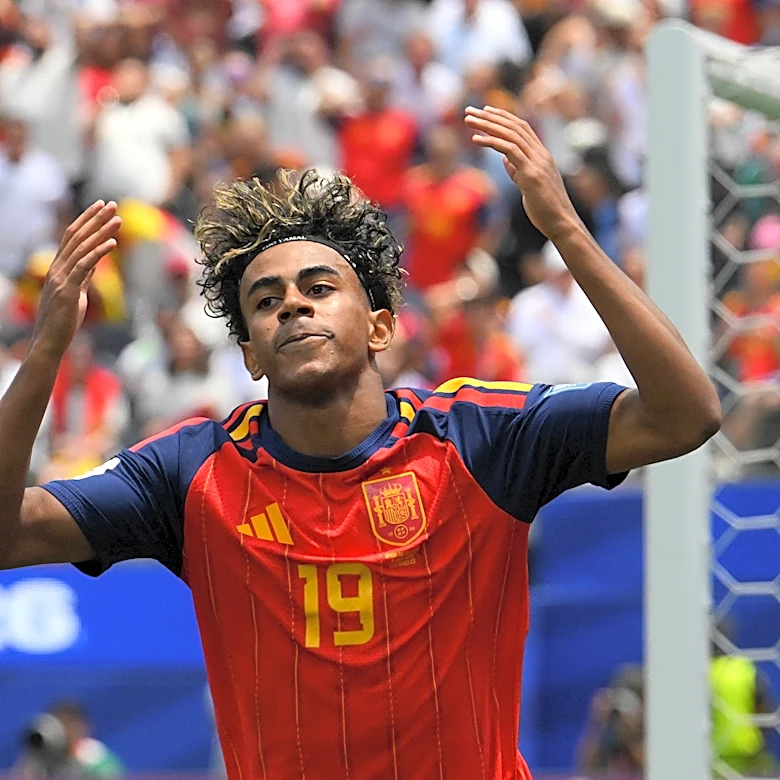
On the sprawling soccer pitch, a similar principle applies to elite playmakers, often called “creators.” Players like Kevin De Bruyne or Lionel Messi possess a gravitational pull that distorts a team’s defensive shape. Defending them presents an impossible choice. If you assign one player to man-mark Messi, that defender is dragged out of position, leaving exploitable gaps for others to run into. If you use a zonal approach and “pass him off,” it requires flawless communication, as even a moment of hesitation gives him the space to unleash a killer pass or a quick shot. As former World Cup winner Per Mertesacker explained about defending Messi, you often have to “double up on him, triple up on him even,” which inherently means someone else is left completely unmarked. These creators force defenders to think not just about the man with the ball, but about the multiple threats that exist because of the man with the ball.
Forcing the Impossible Choice
The common thread between Curry and a world-class soccer creator is their ability to force a defense into a no-win situation. The choice is always between two bad options: abandon your core defensive principles to swarm the superstar, or stick to your system and watch that superstar systematically dismantle you. This is the essence of bending a defense. It’s not about a simple one-on-one matchup; it’s about forcing a cascade of panicked rotations. When a defense has to worry about Curry 35 feet from the hoop, or De Bruyne receiving a pass between the lines, their entire structure is compromised. They are no longer reacting to a play; they are reacting to a single player’s potential, which creates chaos. The superstar forces the defense to become preoccupied, reactive, and ultimately, broken.
The Ripple Effect on Team Building
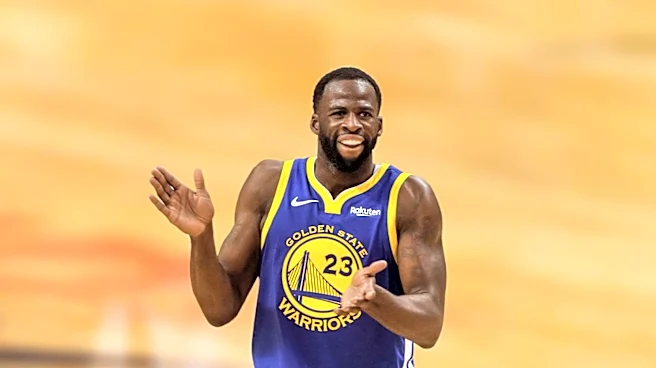
This defensive warping has a profound impact on how championship-caliber teams are constructed. If you have a player with Curry’s gravity, you don’t surround him with other ball-dominant stars; you surround him with smart players who can cut, pass, and finish in the space he creates. The Golden State Warriors dynasty was built on this concept. Similarly, in soccer, a team with an elite creator needs intelligent runners who can anticipate where the space will open up and make themselves available for a pass the moment the defense commits an extra body. The skill of the superstar becomes an organizing principle for the entire roster. It’s no longer just about acquiring talent, but about acquiring the right talent to capitalize on the defensive chaos one player can generate.