




The Six-Month Sprint Before the Gates Open
The magic of getting your food in under ten minutes at Outside Lands begins nearly half a year before the first note is played. For the 100 Bay Area restaurants that make up the Taste of the Bay Area, this is a logistical marathon. It starts with curators,
like Tanya Kollar, who painstakingly select a lineup that reflects the region's diverse food scene. Vendors must apply by March, detailing not just what they'll serve, but how. The key is designing a menu for speed. Ambitious, complex dishes are out; streamlined, high-impact items are in. Experienced vendors know to build their offerings around a few core ingredients that can be prepped in massive quantities and assembled quickly, rather than cooked from scratch during a rush. This means focusing on six to eight core items that can be put together in 90 seconds, not a sprawling menu that creates a bottleneck at the window.
Building a Pop-Up Culinary City
Golden Gate Park is not a natural environment for a hundred high-volume kitchens. Weeks before the festival, a temporary city is erected. This involves laying down infrastructure for electricity, running temporary plumbing for hand-washing and sanitation stations, and setting up the physical booths. Vendors operate out of compact tents or food trucks, which are often less efficient for the massive crowds of a major festival. Inside these makeshift spaces, every square inch is optimized. Staff bring in their own specialized gear: portable fryers, induction burners, and temperature-controlled storage to maintain food safety in an unpredictable outdoor setting. The entire operation is a feat of engineering designed to turn an open field into a functional, high-capacity food court, all while adhering to strict health codes.
The Art of the Assembly Line
During the festival, the inside of a food booth looks less like a restaurant kitchen and more like a finely tuned manufacturing line. The secret is “mise en place,” a French term for having all your ingredients prepped and in place before service begins. In the hours before gates open and during lulls between sets, staff are in a frenzy of chopping, mixing, and portioning. When the rush hits, they pivot from preparation to assembly. One person might be toasting buns, another adding the protein, a third applying sauce, and a fourth handing the finished product to the cashier. Roles are highly specialized to maximize efficiency. This is also why many festival-exclusive dishes, like the collaborations seen at Outside Lands, are designed to be portable—think wraps or bowls that can be folded or held in one hand, making them easier to assemble and for festival-goers to carry.
Surviving the Human Surge
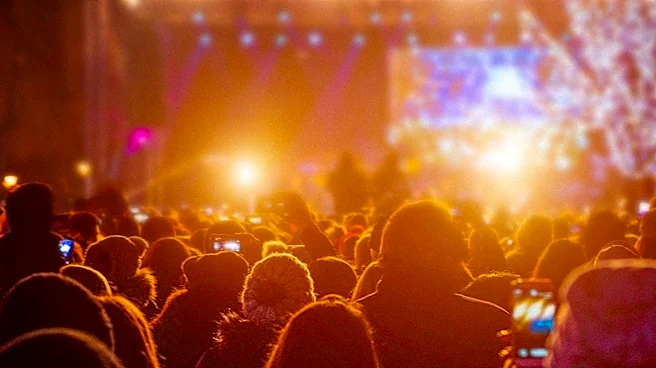
The most intense moments for any vendor are the surges—the 30-minute window when a headliner finishes and thousands of people flood the concessions at once. Smart vendors don't just react; they anticipate. They watch the official festival schedule like hawks but are also prepared for it to break. Using apps or even simple walkie-talkies, teams get real-time updates on when a set is ending, giving them a crucial head start. Staffing is flexible, with an “all hands on deck” approach for peak times. Outside Lands has also become cashless, which dramatically speeds up transaction times by eliminating the need to make change. Some vendors even create simplified versions of their menus for the busiest periods, ensuring they can keep the line moving and capture as many sales as possible before the crowd disperses to the next stage.