




More than just background noise for our post-turkey haze, Thanksgiving movies hold up a mirror to our own holiday experiences. They dissect the American obsession with family, belonging, and the often-painful rituals we perform to achieve it.
The Performance of Perfection
Many Thanksgiving
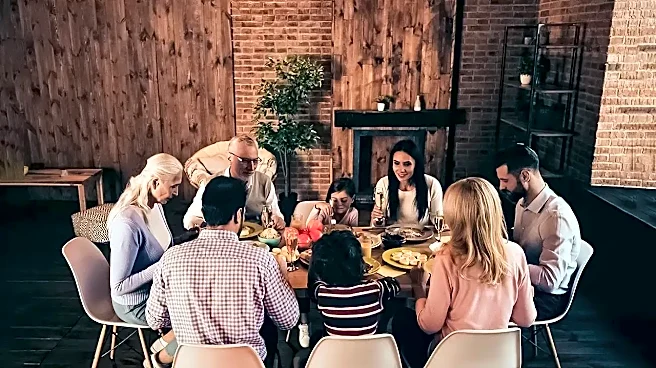
movies operate on a simple premise: the fraught attempt to stage a perfect holiday. The table must be set, the family must be happy, and the turkey must be golden brown. But this cinematic ideal almost always serves as a fragile veneer, destined to crack under the weight of long-simmering resentments and unspoken truths. In Jodie Foster’s 'Home for the Holidays', single mom Claudia Larson’s trip home is a descent into the loving, maddening chaos she tried to escape. Her family’s interactions are a masterclass in dysfunction, from passive-aggressive greetings about her hair to explosive dinner-table confrontations. The film suggests that the ritual of Thanksgiving isn’t about achieving perfection, but about surviving the messy, often painful, reality of family ties. The humor and drama come from the gap between the idyllic holiday card image and the flawed humans trying to live up to it.
The Pilgrimage Home
The journey itself is a central theme in what is arguably the quintessential Thanksgiving film: 'Planes, Trains and Automobiles'. The story weaponizes the logistical nightmare of holiday travel, turning a simple trip from New York to Chicago into an epic odyssey. Uptight executive Neal Page is forced into an unlikely partnership with the perpetually optimistic, disaster-prone Del Griffith. Their journey is more than a series of comedic mishaps; it’s a modern pilgrimage. Neal isn't just trying to get to a physical house; he’s trying to reach the idea of home—a place of warmth, family, and belonging. Del, as we learn in the film’s poignant final act, has no home to go to, transforming the movie from a simple travel comedy into a meditation on loneliness and the human need for connection. The film argues that belonging isn't a destination you arrive at, but something you find in the unexpected bonds forged along the way.
The Family You Choose
While many Thanksgiving films focus on the inescapable pull of biological family, a powerful subgenre celebrates the 'found family'. These movies champion the idea that belonging can be created, not just inherited. In 'Pieces of April', the punkish April Burns attempts to host Thanksgiving for her estranged and judgmental suburban family in her tiny New York apartment. When her oven breaks, she is forced to rely on the kindness of strangers in her building, creating a makeshift community that is more supportive than her own blood relatives. The film culminates not with every problem being solved, but with the simple, profound act of everyone sharing a space, acknowledging that togetherness itself is the achievement. Similarly, the iconic Thanksgiving episodes of the TV show 'Friends' built an entire tradition around a group of people choosing to be each other's family, resonating with anyone who has ever felt like an outsider in their own home.
Ritual as the Anchor
At the heart of every Thanksgiving movie is the ritual itself: the cooking, the carving, the obligatory sharing of what everyone is thankful for. These cinematic traditions serve as an anchor, a predictable structure in which unpredictable human drama can unfold. In 'A Charlie Brown Thanksgiving', the gang’s makeshift dinner of toast, popcorn, and jelly beans sweetly underscores the idea that the ritual’s power isn't in the specific food, but in the act of gathering. In more dramatic films, the dinner table becomes a stage for conflict, the forced proximity amplifying tension until it boils over. Yet, even when the rituals fail—the turkey is burned, the family fights, the guests are mismatched—they still provide the framework that brings everyone together. These movies reveal that the rituals aren't about a perfect outcome; they are about the commitment to showing up, year after year, for the messy, complicated, and essential work of belonging.