






The Tale of Two Markets
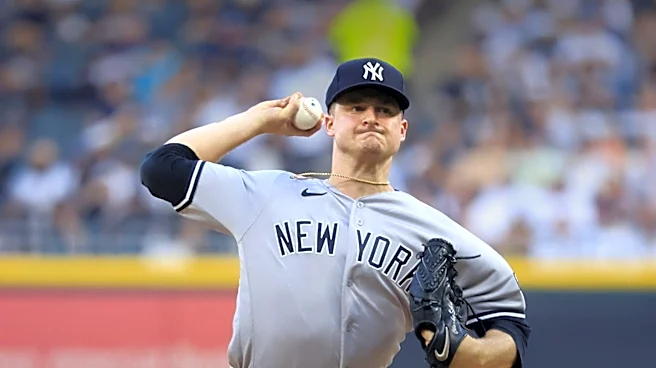
To understand their parallel journeys, you have to first understand their kingdoms. For Derek Jeter, the “big market” was the island of Manhattan and the sprawling media empire it represents. He was the captain of the New York Yankees, the most storied
franchise in American sports. The pressure was immense and hyper-local; every at-bat was scrutinized by a famously tough press corps and a demanding fan base. His world was the American League East, the back pages of the tabloids, and the singular expectation of winning championships in pinstripes. David Beckham’s market, on the other hand, was the entire globe. His fame began at Manchester United and exploded at Real Madrid, but it was his move to the LA Galaxy in 2007 that showcased the true scale of his influence. He wasn’t just a soccer player; he was a cultural ambassador, a fashion icon, and a celebrity whose appeal transcended sports. While Jeter’s market demanded he win for New York, Beckham’s market asked him to sell a sport to a nation and elevate a league's profile on the world stage.
Two Blueprints for Handling Pressure
Both men operated under a microscope, but they developed entirely different strategies for survival. Jeter’s method was one of masterful control and stoicism. He was consistently available to the media but famously said very little, earning a reputation for being guarded. He gave calm, simple answers, deflected controversy, and always put the team first, believing it was his job to limit distractions. This approach made him a respected, almost regal figure—untouchable and unflappable in the eye of the New York storm. Beckham embraced the spotlight. From his marriage to a Spice Girl to his ever-changing hairstyles and fashion choices, his life was a public spectacle. The pressure on him was often national and even personal, from intense criticism after World Cup disappointments to the weight of being a global brand ambassador for countless companies. Rather than deflecting the media, he and his team learned to harness it, turning his image into a powerful currency that extended far beyond the pitch.
The Athlete as an Empire
Their post-playing careers show the lasting power of the foundations they built. Jeter, ever the baseball man, transitioned from player to executive. He became a part-owner and CEO of the Miami Marlins, applying his on-field leadership to the front office. He also launched The Players' Tribune, a media company designed to give athletes a platform to control their own narratives—a direct response to his career spent carefully navigating the press. Beckham took the brand he built and scaled it exponentially. His groundbreaking MLS contract included an option to purchase an expansion team for a discounted price, which he famously exercised to create Inter Miami CF. The club, now a major force in MLS, is a testament to his global vision. Beyond soccer, his portfolio spans fashion, endorsements, and production, solidifying 'Brand Beckham' as a global commercial powerhouse that has long outlasted his playing days.
Defining an Era of Stardom
Jeter represents the pinnacle of a certain kind of American sports fame: city-specific, performance-driven, and intensely focused. He was the ultimate insider, a captain who led by quiet example and became synonymous with the team he played for. His fame was a product of his relentless consistency and his mastery of the most demanding media market in the country. Beckham, in contrast, created a new model of global athletic celebrity. He proved that an athlete could be a brand first and foremost, with influence stretching across fashion, culture, and business. He wasn’t just part of a team; he was the main event wherever he went, a one-man economic and cultural engine. His journey demonstrated that for the modern superstar, the market isn't just a city—it's the world.