





The Final, Frustrating Act
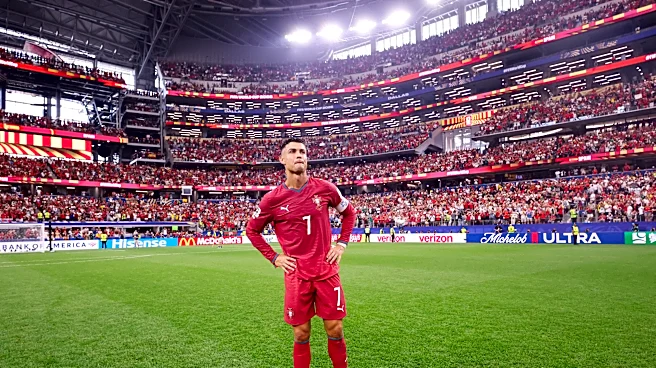
The dream was over. Portugal, after a hard-fought battle, had fallen to Spain in the knockout rounds. For Cristiano Ronaldo, playing in his record sixth and final World Cup, this was it. There would be no hoisting of the one trophy that has forever eluded
him. But as the Spanish players celebrated and his own teammates collapsed in exhaustion and despair, Ronaldo did neither. Instead, he walked. Head down, jaw tight, he marched straight past the consoling hands and commiserating opponents, disappearing down the tunnel without a glance back at the fans who had asked his name for 90 minutes. It was an exit devoid of grace, a moment of profound, public solitude that felt less like the end of a chapter and more like the entire book slamming shut.
Greatness and Grievance
To understand Ronaldo, you must hold two opposing ideas in your head at once. He is, without question, one of the greatest goal-scorers and most diligent athletes the sport has ever known. His career is a monument to relentless ambition, a testament to what a supremely talented individual can achieve through sheer force of will. He has the records, the titles, and a list of gravity-defying goals that will be replayed for generations. Yet, that same single-minded drive has a darker twin: a fragile, all-consuming ego that surfaces in moments of defeat. The petulance, the on-field tantrums, and the inability to share the spotlight, even in failure, are as much a part of his story as the five Champions League titles. His final World Cup act wasn't an anomaly; it was the ultimate expression of the duality that has made him such a polarizing figure for two decades.
A Pattern of Endings
In hindsight, we should have seen it coming. His departures from the great clubs of Europe were rarely quiet. His exit from Real Madrid was abrupt. His return to Manchester United curdled into a public war of words. Each ending felt messier than the last, marked by a sense of personal grievance rather than collective nostalgia. This final walk-off on the global stage was simply the international version of a pattern we’ve seen before. It was the behavior of a man who has defined himself by victory for so long that he no longer knows how to process defeat. For a player who meticulously crafted every aspect of his career and his public image, this raw, unfiltered display of frustration was perhaps the most honest moment of his entire tournament.
How Will We Remember Him?
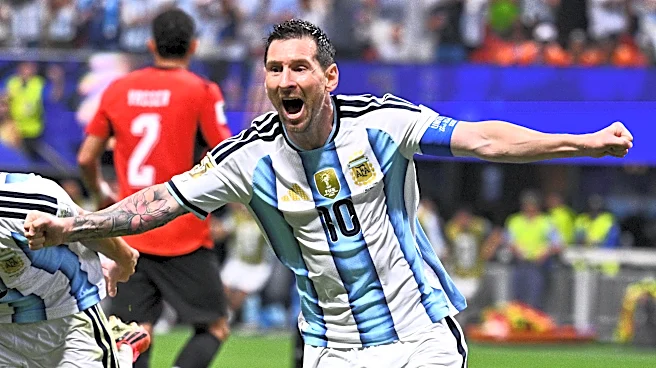
So, what does this do to the legacy? The truth is, it doesn't erase the nearly 1,000 career goals or the Euro 2016 triumph with Portugal. Those are etched into the record books. But it does change the emotional texture of his story. Legacies are not just about stats; they're about how an athlete made us feel, and the values they came to represent. While his great rival Lionel Messi had his fairytale World Cup ending years ago, Ronaldo’s is a cautionary tale about the perils of unchecked ambition. It reminds us that even the most supreme talents are painfully human. This complicated goodbye doesn't diminish his greatness, but it does frame it. He will be remembered as a titan of the game, an icon of discipline, but also as a king who could never quite bring himself to gracefully leave the stage.