



The red carpet was once a simple parade of pretty dresses. But at fashion's own 'Oscars,' the CFDA Awards, a new dynamic is at play. The looks that matter most aren't just glamorous; they're clever, referential, and deeply informed.
The End of the Easy 'Best Dressed' List
For decades, red carpet
success was measured by conventional beauty. A well-fitted mermaid gown or a classic black-tie look would land a star on the 'best dressed' list. But an event like the CFDA Fashion Awards, where the audience is composed of designers, editors, and stylists, plays by a different set of rules. It’s an industry-insider affair, and the red carpet has become a forum for a more sophisticated conversation. Simply looking 'nice' is no longer the point. The goal is to demonstrate a fluency in fashion, whether by supporting an emerging designer or referencing a specific, iconic moment from the archives. The looks are less about pleasing the general public and more about earning a nod of approval from those who know the history and artistry behind the clothes.
It’s Not a Dress, It’s a Deep Cut
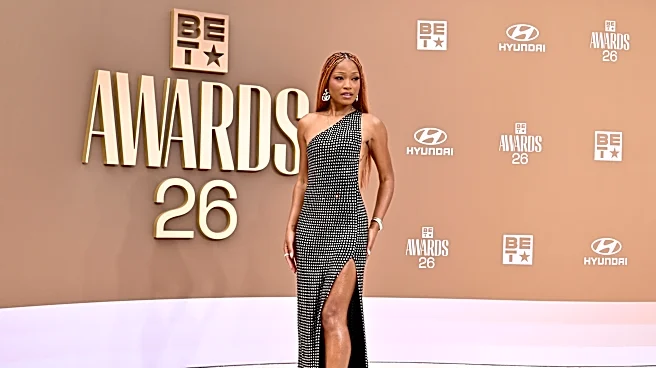
One of the clearest signs of this shift is the rise of archival pulls. At the 2026 CFDA Awards on November 2, several stars opted for vintage pieces that told a story. Keke Palmer, the evening's host, wore a stunning gold Bob Mackie dress originally designed for Raquel Welch in 1975. This wasn't just a pretty gown; it was a piece of fashion and television history. Similarly, other attendees have recently worn archival pieces from the likes of Thierry Mugler, Versace, and Chanel. These choices are deliberate. They function as a sartorial Easter egg for the fashion-literate. Recognizing the origin of a 1990s Bob Mackie or a 1952 Dior gown is a reward for the viewer's own knowledge, transforming the red carpet from a passive spectacle into an active, engaging dialogue between past and present.
The Power of a Thoughtful Homage
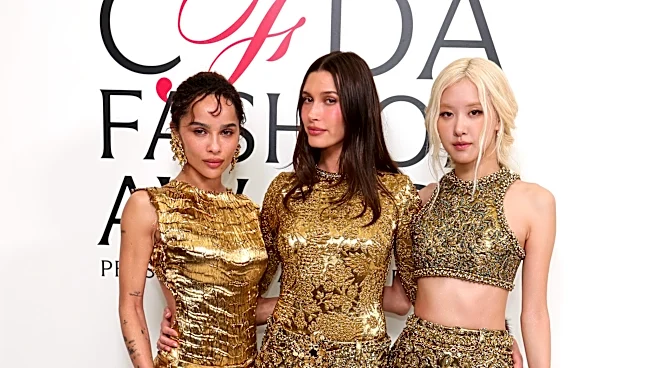
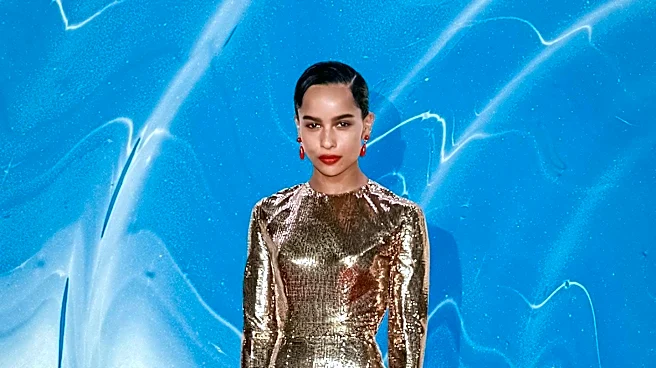
Beyond literal vintage, attendees now often pay homage to the designers being honored. At this year's awards, Anthony Vaccarello was named International Designer of the Year for his influential work at Saint Laurent. In response, his muses—Hailey Bieber, Zoë Kravitz, and Rosé—appeared in a coordinated display of his creations, including brocade pieces from his final collection. Likewise, Alexa Chung wore a Fall/Winter 2026 Tory Burch design, a nod to Burch's nomination for American Womenswear Designer of the Year. These aren't just brand endorsements; they are thoughtful, specific acknowledgements of a designer's contribution. It shows an understanding of the event's purpose, which is to celebrate the industry's own talent.
Championing the Next Generation
While big names and archival looks create buzz, another form of fashion intelligence is championing the new and the next. The CFDA Awards have a specific category for emerging designers, and seeing a major star wear a look from a lesser-known nominee like Colleen Allen or Rachel Scott of Diotima is a powerful statement. It signals a genuine engagement with the industry's future. It says the wearer isn't just relying on a big-name stylist but is actively participating in the discovery and elevation of new talent. In a world saturated by the same few luxury brands, taking a chance on an up-and-coming designer is perhaps the ultimate flex of fashion knowledge.