






More Than Just a Catchy Tune
For the uninitiated, the world of international soccer can be daunting. The history is dense, the rivalries are fierce, and the sheer number of players is overwhelming. Official commentators can provide the basics, but the real education happens in the stands
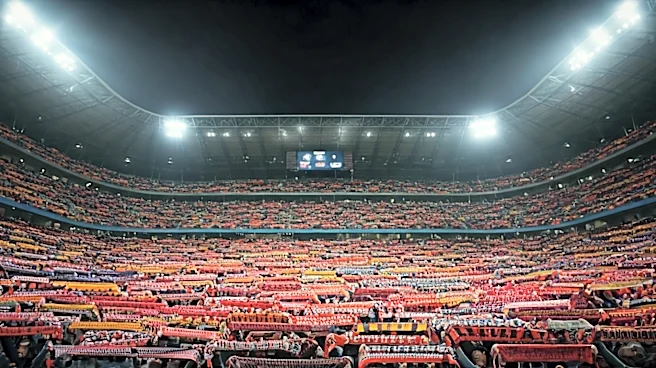
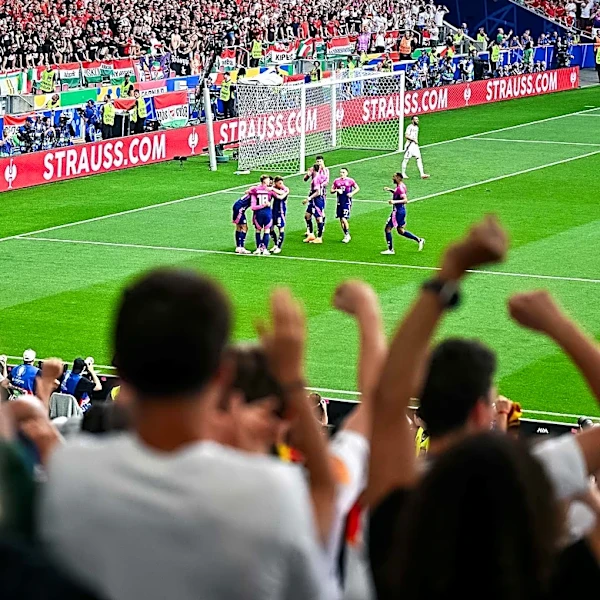
and among groups of supporters. This is where songs come in. Fan chants are a form of living, breathing oral history. They are a crash course in everything that matters: who the heroes are, who the villains are, what moments define a team's spirit, and why certain matches carry more weight than others. By joining in, a new viewer doesn't just watch the game; they become part of its cultural fabric. The act of singing creates an immediate sense of belonging and shared identity, turning passive observation into active participation.
Learning History with an Anthem
Some songs are so deeply embedded in a club's identity that they function as a sacred text. The most famous example is "You'll Never Walk Alone." Originally from the 1945 musical Carousel, the song was covered by Liverpool band Gerry and the Pacemakers in 1963 and was quickly adopted by the fans at Anfield. Before every home game, the entire stadium sings it in unison. For a new fan, hearing and learning this anthem isn't just about melody; it's an induction into decades of the club's triumphs and tragedies. The song signifies resilience and unity, a meaning that has been deepened through moments of profound sorrow and incredible victory. When other clubs like Scotland's Celtic and Germany's Borussia Dortmund also adopted the song, it created a transnational bond, teaching newcomers about a shared history that spans across leagues and countries.
A Roster Rolodex in Real Time
How do you learn a team's roster on the fly? Listen to the crowd. Player-specific chants are one of the most effective and entertaining teaching tools. A memorable chant can turn a relatively unknown player into a cult hero overnight. A prime example is "Will Grigg's on Fire," which became the unofficial anthem of Euro 2016. Set to the tune of Gala's 90s dance hit "Freed from Desire," the chant celebrated a Northern Ireland striker who, ironically, didn't play a single minute of the tournament. Yet, the song—which originated with his club team, Wigan Athletic—told a complete story: Grigg was a prolific goal scorer, and as the chant declared, the opposition's "defence is terrified." The song went viral, uniting fans from different nations and turning a benchwarmer into a household name.
The Viking Clap: A Lesson in Unity
Sometimes, a chant teaches a lesson not through words, but through collective action. Iceland's "Viking Clap" (or "HÚH!") became a global phenomenon during their fairytale run at Euro 2016. Led by a single drumbeat, thousands of fans and the players themselves would clap and shout in perfect, accelerating unison. The intimidating, primal display was a powerful symbol of the tiny nation's defiant spirit and the unbreakable bond between the team and its supporters. While its origins are debated—with some tracing it to Scottish club Motherwell or even Polish handball fans—Iceland made it their own. For new viewers, the clap was a simple yet profound lesson in what Iceland's team stood for: unity, strength, and a collective will that could challenge giants.
The Social Contract of Song
Ultimately, learning the songs of a tournament is a rite of passage. It's how a casual viewer signals they're ready to become a true fan. Most chants are built on simple, repetitive structures or borrow melodies from well-known pop songs, making them easy to pick up. This is by design. The goal is mass participation. When you join the chorus, you're entering into a social contract. You're agreeing to share in the collective emotional journey of the fanbase—the hope, the tension, the joy, and the despair. It’s a powerful psychological tool for building community, making thousands of strangers feel like a single, unified force. The songs transform the game from a spectacle to be watched into an experience to be shared.