



More Than Just Picking a Swatch
In the not-so-distant past, a fashion designer's interaction with fabric was often limited to selecting materials from a mill's existing catalog. They would flip through swatch books, find a color or texture they liked, and order it. While effective,
this process put a ceiling on creativity. Today, the relationship is far more collaborative, with the textile developer acting as a bridge between a designer's raw idea and a manufacturable product. A designer might approach a developer with an abstract concept—a desire for a fabric that feels like a misty morning, or one that holds a sharp, architectural shape while remaining light as air. The developer's job is to translate that poetic language into technical specifications. They are the alchemists who know which fibers to blend, what weaving or knitting technique to use, and which finishing processes will achieve the desired effect.
The Developer as Creative Partner
Think of a textile developer not as a supplier, but as a crucial member of the design team. Their expertise combines artistry with deep technical and scientific knowledge. This partnership is essential for creating truly unique garments. A fashion designer conceives the silhouette and story of a collection, while the textile developer engineers the very surface and soul of the clothes. This collaboration can define a brand's identity. Is a brand known for its incredibly soft knits, its structured and durable outerwear, or its signature, impossible-to-replicate prints? That's often the work of a long-standing relationship with a developer who understands the brand's DNA. They help create custom fabrics that give a collection a unique and exclusive feel, something that can't be achieved with off-the-shelf materials.
Innovating From the Thread Up
Beyond aesthetics, textile developers are at the forefront of the industry's biggest shifts, especially toward sustainability and performance. As consumers and brands alike push for more eco-friendly options, it's the developers who source and innovate with materials like recycled polyester, organic cotton, or new bio-based textiles derived from sources like fungi or algae. They figure out how to make these materials not only sustainable but also beautiful, durable, and desirable. The same goes for performance wear. When an athletic brand wants a fabric that's breathable, moisture-wicking, and has four-way stretch, a developer works to create a textile that meets those precise functional demands without sacrificing comfort or style. This process involves rigorous testing and prototyping to ensure the final fabric performs as needed.
The Unseen Impact on the Final Garment
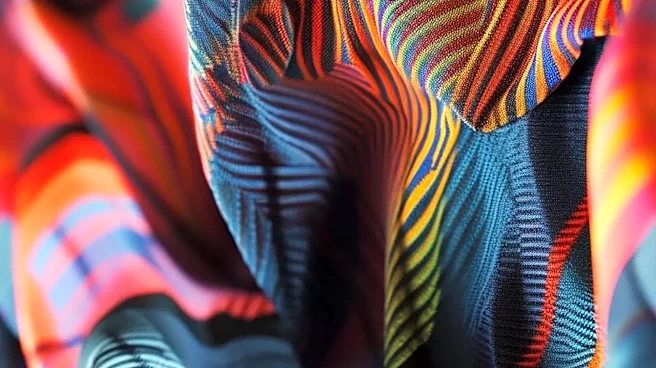
The results of a textile developer's work are everywhere, even if you don't notice them directly. It’s in the way a dress drapes perfectly, holding its shape yet flowing with movement. It’s in the subtle texture of a jacket that makes it feel luxurious, or the specific, vibrant hue of a shirt that was custom-dyed to match the designer’s vision. These are the details that elevate a good design to a great one. A developer's technical choices—the density of a weave, the type of yarn, the finishing treatment—directly influence a garment's fit, feel, durability, and emotional impact. They solve problems before they arise, ensuring a delicate-looking fabric is strong enough for daily wear or that a complex pattern can be produced consistently at scale.