


Understand the Two-Part Arena
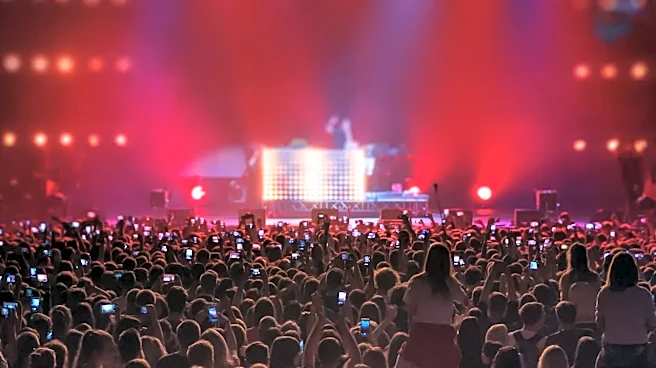
The festival is split into two distinct experiences: the main stage at T-Mobile Arena, dominated by global superstars, and the Daytime Stage, which is a curated platform for emerging and popular artists. For a breakout act, the Daytime Stage is the primary
battleground. This is where you connect with a younger, discovery-oriented audience and where industry executives specifically look for the future of music. Past performers on this stage include artists who went on to massive success, like Latto, Carly Pearce, and Lauv. Your goal is to deliver a main-stage-level performance in a daytime setting, proving you're ready for the next step.
Master the Media Gauntlet
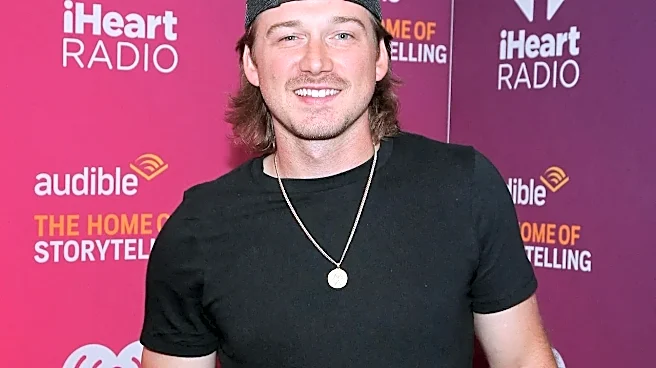
iHeartMedia is, first and foremost, a massive radio and audio company. The festival is a hub for its on-air personalities, programmers, and digital content creators from across the country. This means a performance can lead to immediate and widespread radio support. Artists should arrive media-trained and ready for a whirlwind of interviews, podcast appearances, and on-camera moments. Every interaction is a chance to tell your story to iHeart's vast audience, which reaches nine out of ten Americans monthly. Being personable, prepared, and professional can turn a 15-minute radio row interview into months of airplay on key stations.
Network Beyond the Stage
While fans are the focus, the festival is also a convergence point for the music industry's most powerful players. Brand executives, advertising partners, label heads, and booking agents are all on-site, often in VIP lounges and partner activations. These aren't just casual observers; they are there to do business. An artist and their team should treat the entire weekend as a networking opportunity. This means being present at industry-focused events, making authentic connections, and understanding that the person you chat with at a partner's interactive zone could be your next major brand deal or record contract.
Engineer Your Social Media Moment
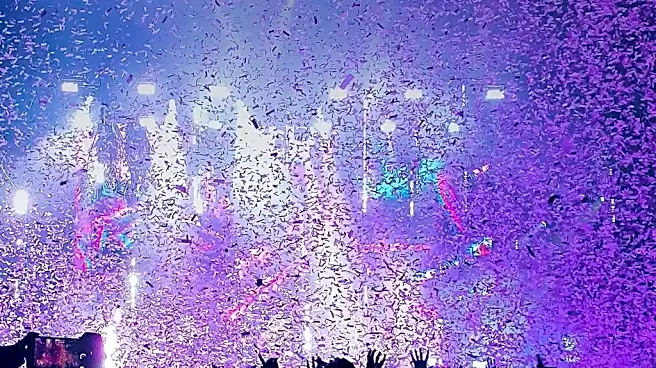
A festival set that isn't captured and amplified on social media might as well have not happened. iHeart's own social footprint is immense, and they create a constant stream of content throughout the event. A savvy artist's team will have a dedicated content plan. This includes professional photos and videos of the performance, behind-the-scenes glimpses from the media gauntlet, and engagement with festival-specific hashtags. Collaborating with influencers on-site or creating a unique, shareable moment—like Chlöe debuting a new single or Chase Rice tossing beers to the crowd—can generate buzz that extends far beyond the festival grounds.
Leverage the Brand Activations
The festival is filled with interactive fan zones and experiences hosted by major brands like Capital One, Hyundai, and M&M's. These aren't just sideshows; they are integrated parts of the festival experience and a key reason the event is so lucrative. For an artist, these activations present unique opportunities. Participating in a partner event, showing up at a brand's 'House of Music,' or being integrated into their on-site content can put you on the radar of major corporate sponsors looking for their next ambassador. It's a direct line to the people who write the checks for endorsements and tour sponsorships.
Plan the Post-Festival Follow-Up
The work isn’t over when the lights go down in Vegas. The momentum from a successful festival appearance is perishable. An artist's team needs a strategic follow-up plan to capitalize on the exposure. This includes sending thank-yous to the media and industry contacts you met, servicing your new single to the radio programmers who saw you perform, and sharing recaps and performance clips with your growing fanbase. A strong festival showing can be the leverage needed to book a larger tour, secure a better record deal, or finally get your song into heavy rotation. The festival opens the door; the follow-up is how you walk through it.