


The Canvas of Absolute Darkness
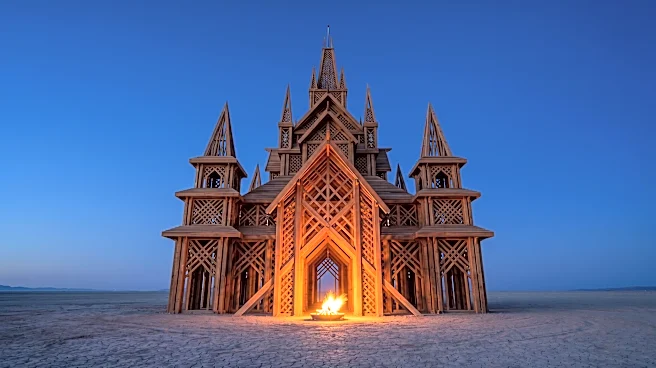
The first ingredient is the profound darkness of the Black Rock Desert. Located far from any city, the temporary metropolis of Black Rock City has virtually zero light pollution. This creates a near-perfect black backdrop, unlike almost anywhere else
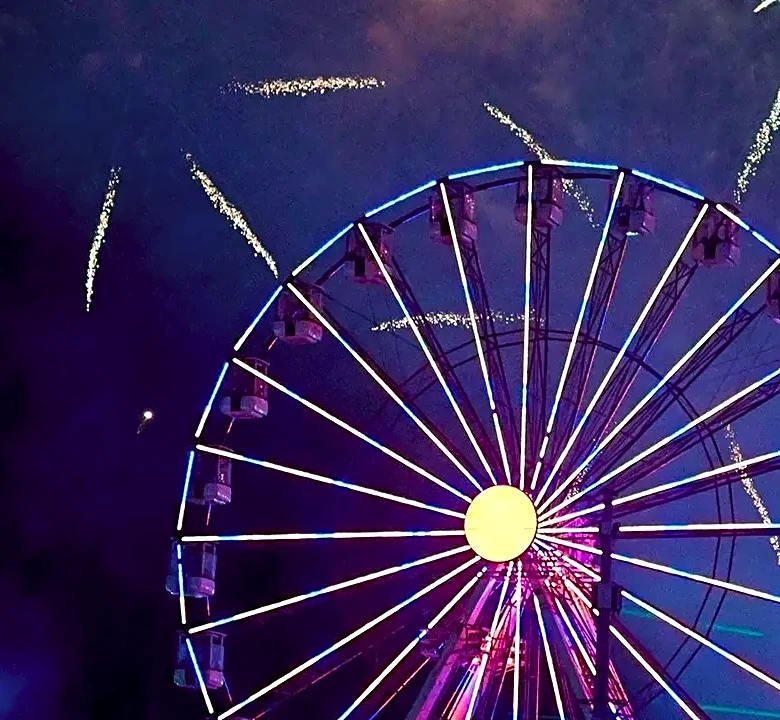
people typically gather in such numbers. In this environment, our eyes adapt. The rod cells, which are responsible for vision in low-light conditions, become highly active. This heightened sensitivity means that any source of light, no matter how small, registers with incredible contrast. Your brain, starved of other visual cues, latches onto the light with heightened focus, making it feel powerful and significant. There are no streetlights or ambient city glow to compete with the art, so a single string of LEDs can feel like a beacon.
Dust as a Natural Light Diffuser
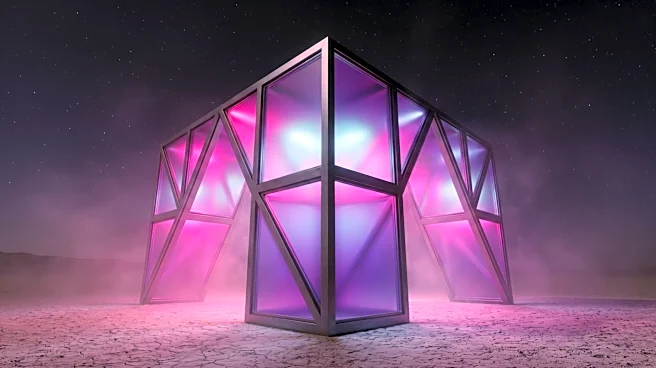
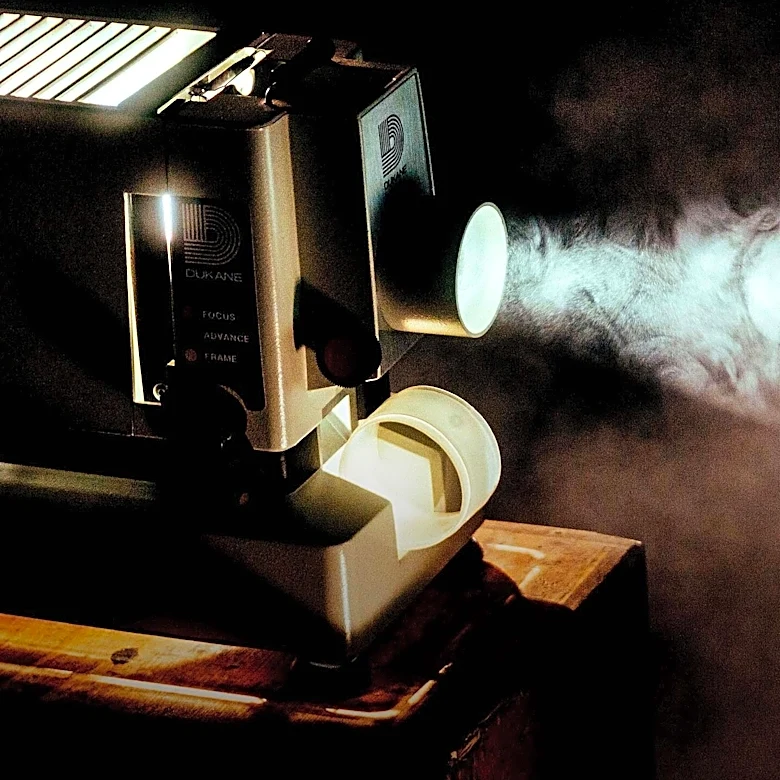
The second, and perhaps most unique, factor is the playa dust itself. This isn't ordinary dirt; it's a fine, alkaline powder composed of silt and clay. When kicked up by wind or vehicles, these tiny particles hang in the air, creating a persistent haze. This dust acts as a natural diffuser for light. Scientifically, this is known as the Tyndall effect, where light is scattered by particles suspended in a medium. Instead of a light source being a simple point, the dust catches its rays, creating a visible beam or halo. This makes the light source appear larger, softer, and more volumetric. An LED doesn't just shine; it creates a glowing orb in the dusty air, turning a simple light into a three-dimensional presence. Artists at the event use this environmental trait as part of their medium, designing installations that are meant to be viewed through this dusty lens.
The Deception of Distance and Scale
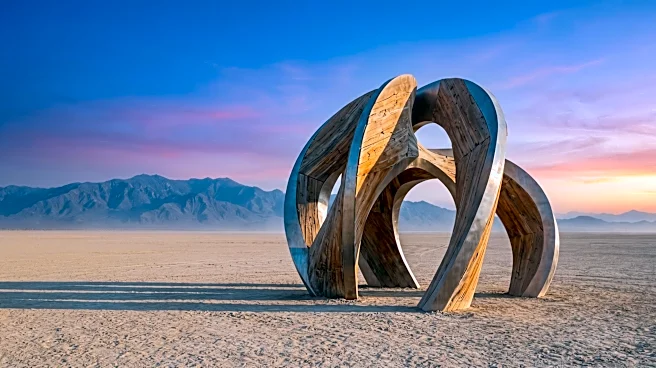
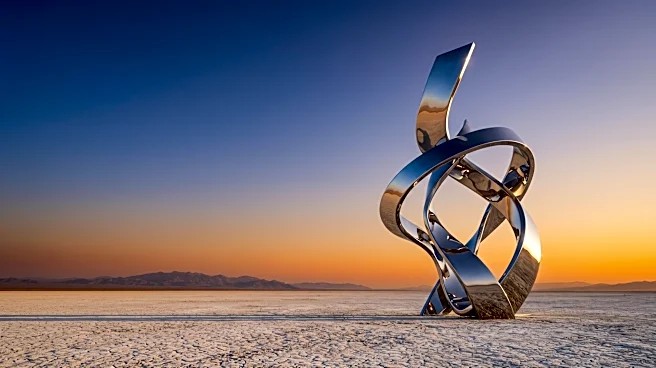
Finally, the vast, featureless expanse of the open playa plays tricks on our perception of distance and scale. During the day, the flat desert stretches to the horizon with few reference points. At night, this effect is magnified. Your brain has no trees, buildings, or familiar objects to help it judge how far away something is. A towering, brightly lit sculpture a mile away might appear the same size as a smaller, dimmer mutant vehicle just a few hundred feet from you. This spatial ambiguity forces your brain to work harder to make sense of what it's seeing. The focus required to interpret these isolated points of light in a void can make them feel more significant and intense. The sensory experience becomes less about passive viewing and more about active interpretation, embedding the brilliant images deeper into memory.
A Symphony of Sensation and Safety
This intense light isn't just for show; it's a critical element of safety and culture. In the total darkness, being unlit, or a "darkwad," is a serious hazard to the hundreds of cyclists and giant art cars roaming the playa. The community's emphasis on radical self-expression extends to personal illumination, turning every person into a moving piece of light art. This necessity has evolved into a key part of the event's aesthetic. From the massive, fire-breathing sculptures to the intricate LED patterns on individual outfits, the light at Burning Man is a direct response to its environment. It’s a solution to the darkness that has become a celebrated art form in its own right, transforming a practical need into a collective, luminous spectacle.