


The Spectacle of Pitti Uomo
First, you have to understand what Pitti Uomo is. On paper, it’s a trade show where brands and designers show their upcoming collections to buyers and the press. In reality, it has evolved into the unofficial Olympics of men’s style. The cobblestone streets
outside the Fortezza da Basso transform into a runway for the world’s best-dressed men—editors, buyers, influencers, and sartorial enthusiasts—who come to see and, more importantly, be seen. This phenomenon is often called “peacocking,” where attendees put on their most creative and daring outfits. For years, the look was defined by razor-sharp, slim-fit suits. But then, a subtle shift happened, starting from the ground up.
The Return of the Pleat
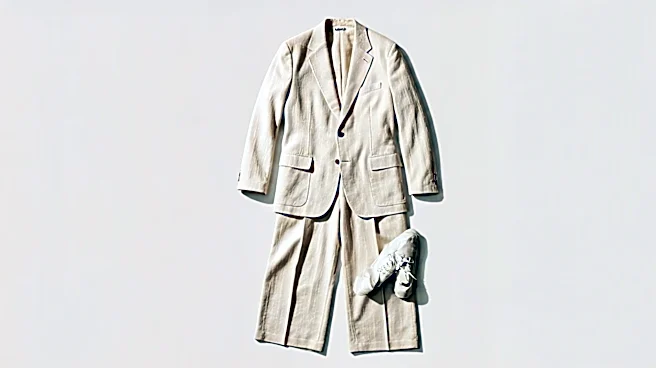
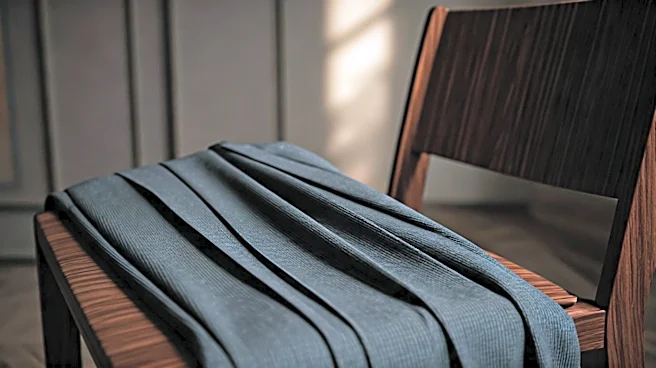
For the better part of the 2000s and early 2010s, men’s trousers were defined by one rule: flat-front and skinny. Pleats were seen as dated, a relic of your dad’s ill-fitting 90s office suit. But the men at Pitti began to champion a different silhouette. They reintroduced the pleat, but not in the way you remember. This wasn’t about baggy, shapeless trousers. The “Pitti pleat” is sharp and intentional. We’re talking about high-waisted trousers, often with two deep, forward-facing pleats (known as double pleats) that create space and drape through the thigh, followed by a dramatic taper down to a clean, cropped ankle. It’s a silhouette that is both classic and strikingly modern, offering a comfort and elegance that the restrictive skinny trouser never could. It signals a move away from chasing trends and a return to the principles of classic tailoring.
A Masterclass in Sprezzatura
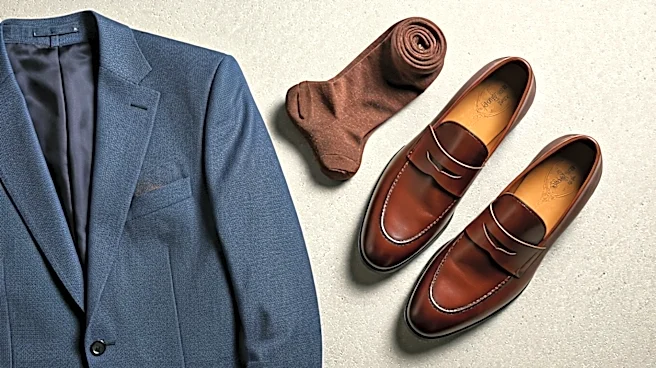
This specific trouser is more than just a piece of clothing; it’s the key to understanding a core Italian style concept: sprezzatura. Coined in the 16th century, the term roughly translates to “studied carelessness.” It’s the art of looking impeccably stylish without appearing to have tried at all. The pleated trouser is the perfect vehicle for this. The high waist and flowing drape are nods to bespoke, old-world tailoring—it shows you know your stuff. But the way it’s worn at Pitti is pure nonchalance. Think of these trousers paired not with a stiff suit jacket, but with a soft-shouldered blazer, a simple knit polo, or even a casual t-shirt. The ankles are often bare, showcased by a pair of leather loafers. The combination says, “Yes, I understand the rules of classic menswear, but I’m confident enough to break them.”
The Foundation for a Modern Wardrobe
The headline claim that this one pair of trousers “unlocks” Pitti dressing is not an overstatement. It serves as the foundational anchor for the entire aesthetic. Because the pleated trouser has volume and structure, it creates a balanced silhouette that allows for more freedom and creativity elsewhere in the outfit. A slightly oversized jacket doesn’t look sloppy; it looks intentional. A boldly patterned shirt feels artistic, not loud. The trousers provide a sophisticated base that grounds the more expressive elements of an outfit. They are versatile enough to be dressed up with tailoring or dressed down for a weekend coffee run. By embracing this single garment, men were able to break free from the rigid, slim-fit uniform and rediscover a more personal, comfortable, and ultimately more interesting way of dressing.