



It’s About Fluidity, Not Just Flash
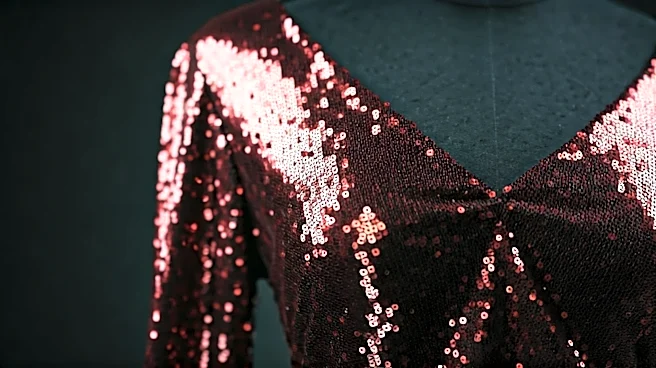
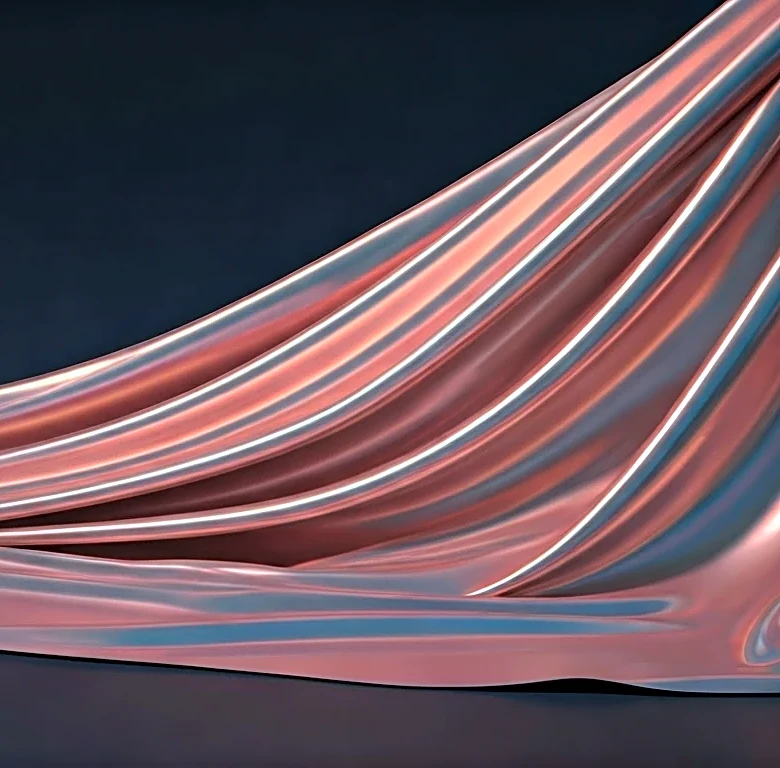
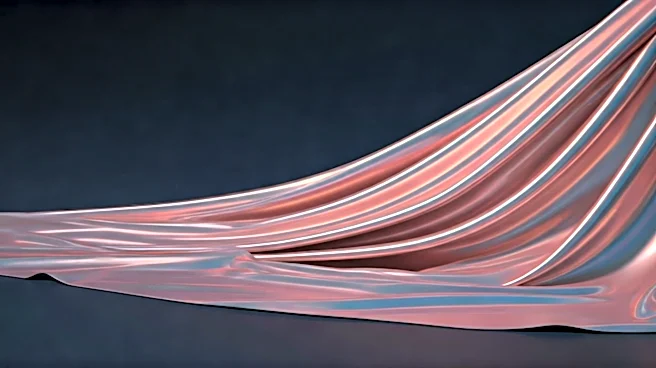
Forget the stiff, crunchy sequins of prom dresses past. The key to an expensive-looking sparkle is movement. The most show-stopping gowns at events like the American Music Awards aren't just covered in sequins; they appear to be crafted from liquid metal. This effect is achieved with micro-sequins, ultra-fine chainmail, or shimmering Lurex knits that are engineered to drape and flow like water. When a star like Taylor Swift arrived at the AMAs in her iconic mirrored Balmain mini-dress, the individual pieces moved together as a single, fluid entity. The fabric didn't just wear her; it moved with her. This fluidity signals high-quality construction and a base fabric that can support the weight of the embellishments without buckling or looking bulky.
The Power of the Paillette
Think bigger is better. Instead of thousands of tiny, frantic dots of light, the high-fashion alternative is the paillette. These are large, flat, disc-like sequins that create a more deliberate and architectural form of shine. Because they are larger and often layered like fish scales, they catch the light in broad, sweeping flashes rather than a chaotic shimmer. This creates texture and dimension, making the garment look more substantial and thoughtfully designed. A gown covered in paillettes doesn’t just sparkle; it reflects. It has a modern, almost sculptural quality seen in designs by Paco Rabanne or Wes Gordon for Carolina Herrera. It’s a confident choice that says ‘couture’ more than ‘craft store.’
Monochromatic and Muted Tones
While a rainbow glitter bomb can be fun, it rarely screams ‘expensive.’ The most sophisticated sequined looks stick to a disciplined, monochromatic color palette. An entire gown drenched in a single shade—be it silver, gold, emerald green, or inky black—creates an unbroken column of light that is incredibly powerful and elegant. Take Cardi B’s dramatic turn as AMAs host, where she donned a custom Schiaparelli look featuring a surrealist gold mask and a simple, perfectly tailored black column gown. The look was about the total, uninterrupted silhouette. Even when color is used, it’s often in a single, saturated hue. This approach allows the texture and the light-play of the fabric to take center stage, rather than competing with a busy color scheme.
Texture Over Tinsel
Sometimes, the most expensive-looking shine is the one that’s barely there. The trend has moved beyond high-gloss finishes to embrace matte, iridescent, and oil-slick sequins. These embellishments provide a rich, complex texture without the high-wattage glare. A matte sequin, for example, absorbs some light while reflecting the rest, giving the fabric a deep, velvety dimension. Iridescent sequins shift color as the wearer moves, creating a mesmerizing, otherworldly effect that feels more organic than artificial. This nuanced approach to shine is a hallmark of luxury, suggesting the designer was focused on creating a unique textile, not just adding sparkle for sparkle’s sake. It’s the difference between a simple firework and the Northern Lights—both are bright, but one is infinitely more complex and captivating.
The Head-to-Toe Commitment
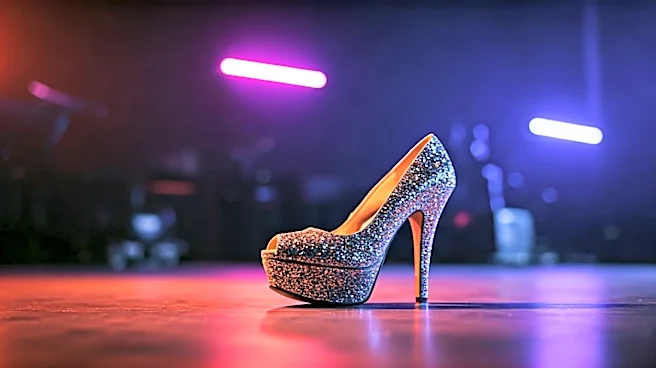
The final element that separates high-end from high-street is commitment. A cheap look often quarantines its sequins to a panel or a bodice. An expensive one goes all the way. We’re talking floor-length gowns where the sparkle is uninterrupted from neckline to hem, often including matching gloves, shoes, or even headpieces. This demonstrates a level of design confidence and construction prowess that is difficult and costly to achieve. It ensures the body is the focus, elegantly draped in a single, stunning material. When an artist walks the carpet in a head-to-toe liquid gold or silver look, the effect is statuesque and powerful. It’s a complete vision, not just a dress with some shiny bits attached.