





The Roar of the Crowd
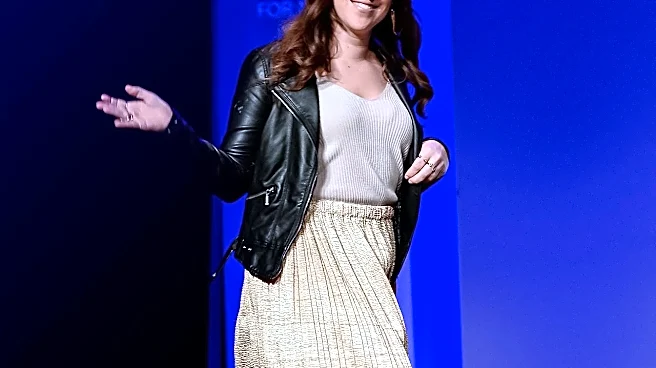
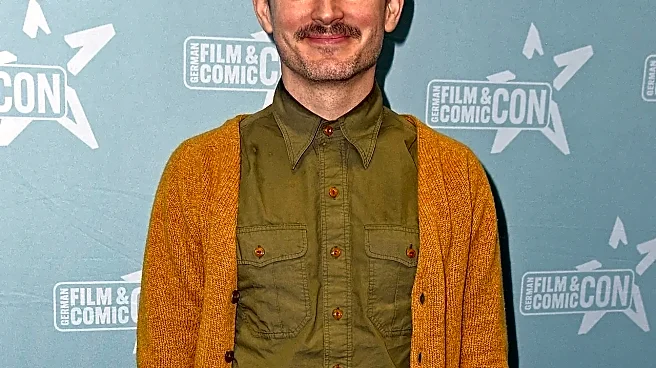
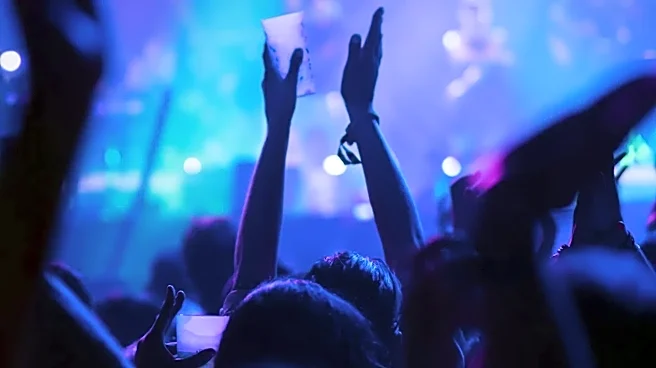
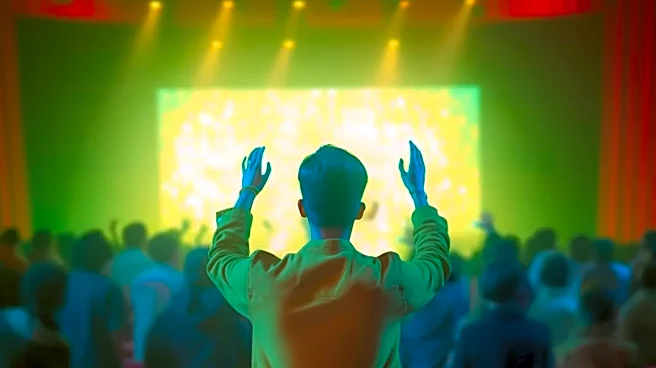
The simplest, most powerful signal a fan base can send is the sound of thousands of people losing their minds. A surprise actor walking onto the stage at Comic-Con's Hall H or an unexpected trailer reveal that earns a thunderous, spontaneous standing
ovation is the kind of feedback studio executives dream of. It’s pure, uncut hype—a visceral confirmation that an idea has connected with its target audience. These moments are more than just good PR; they validate casting choices, franchise directions, and multi-million dollar gambles in real time. They tell executives not just that fans are pleased, but that they have become passionate advocates who will drive word-of-mouth promotion.
Dressing for the Job You Want
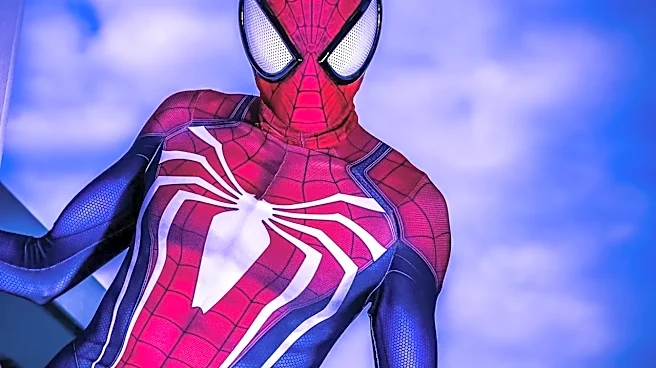
Cosplay has evolved from a niche hobby into a form of walking, talking market research. When a thousand fans show up dressed as a character who has only appeared in two comic book panels, it’s a vote. It signals to studios that there's an untapped well of interest and affection for that specific hero or villain. This isn't just about popular characters; it's about the deep cuts. The proliferation of a certain costume can highlight a breakout character long before the studio officially recognizes it, influencing future storylines, merchandise, and even spin-off projects. It’s a slow-burn signal, but it’s one of the most authentic measures of a character’s organic appeal.
The Language of Memes and Hashtags
If a standing ovation is a clear signal, the world of online campaigns is a much noisier one. A clever meme sign in the background of a live broadcast or a trending hashtag can be incredibly powerful. Campaigns have successfully led to shows being resurrected, characters being redesigned, and alternate cuts of films being released. But for every successful fan-led movement, there are dozens that are either niche, toxic, or driven by a vocal minority whose passion doesn't reflect wider audience interest. Studios have become adept at social listening, tracking sentiment and mention volume, but they must also learn to distinguish a genuine groundswell from a manufactured controversy. This is the new frontier of fan engagement: a high-reward, high-risk dance between creators and a fanbase that is now always on.
When Silence Speaks Volumes
Sometimes, the most terrifying feedback a studio can receive is no feedback at all. While boos are rare and often counterproductive, a polite, unenthusiastic smattering of applause after a major announcement can be a death knell. This lukewarm reception signals apathy, the ultimate franchise killer. It suggests the studio has misjudged its audience, taken a beloved property in a direction no one wanted, or simply failed to generate excitement. In a room full of the most dedicated fans on the planet, silence or polite indifference is a clearer sign of failure than outright anger. It tells the studio not that they've made fans mad, but that they're about to make them disappear.