



The Modern Festival Setlist
In the age of streaming and social media, the festival setlist can feel like a science. Artists, especially those with limited time on a massive stage, are often pressured to deliver a high-impact, low-risk performance. This usually means a strategic
deployment of their top five Spotify tracks, the song that went viral on TikTok, and the lead single from their latest album. It’s a formula designed for maximum crowd engagement and shareable moments. For the casual fan, it’s perfect—a live-action highlight reel. But for the dedicated follower, the one who knows the B-sides and the bonus tracks, this predictability can leave them wanting more. The festival experience, in this context, risks becoming a passive consumption of the familiar rather than a discovery of the new or a celebration of the obscure.
The Unmatched Power of the Deep Cut
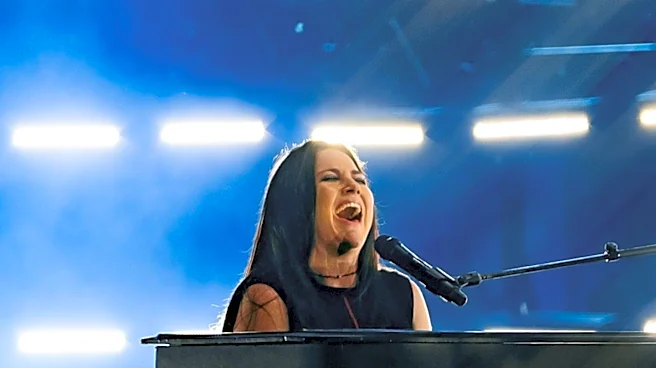
Then, it happens. An artist takes a breath, the stage lights shift, and they launch into a song that hasn't been on a setlist in years. It’s a track from their debut EP, a beloved album-only cut, a B-side from a Japanese import. This is the “deep cut,” and its power is transformative. In that moment, a field of 75,000 people shrinks to an intimate club. It’s a secret handshake between the artist and their most devoted fans. The cheers that erupt are different—not just recognition, but a guttural cry of validation. For those few minutes, you’re not just a face in the crowd; you’re part of an inner circle that shares a specific, cherished piece of the artist’s history. This is the moment that gets talked about long after the festival ends, the story that begins with, “You’ll never believe what they played.”
Why This Trend Matters Now
So why does it feel like these moments are becoming more treasured? Part of it may be a subtle rebellion against the algorithm. In a world where playlists are curated for us and hits are force-fed through short-form video, a deep cut is an act of human curation. It’s an artist trusting their own catalog and, more importantly, trusting their audience. Streaming has also, ironically, made fans more knowledgeable. While it surfaces the hits, it also gives listeners unfettered access to an artist’s entire body of work. A curious fan can go from a single to a full discography in an afternoon, making once-obscure tracks more widely known. Artists on the ACL 2026 lineup, from indie-rock mainstays to eclectic pop experimentalists, are perfectly positioned to capitalize on this. They understand that rewarding longtime listeners creates a stronger, more resilient fan community that isn’t just chasing the latest trend.
A New Kind of Festival Currency
Ultimately, the deep cut represents a different kind of currency at a music festival. It’s not about the number of phones in the air or the volume of the singalong; it’s about the quality of the connection. When an act like St. Vincent dives into an old fan favorite or a duo like Rodrigo y Gabriela performs a lesser-known but intricate piece, they are making a statement. They are telling the audience, “I see you. I remember where we started. And this is for you.” It’s a gesture that fosters loyalty that outlasts any single album cycle. It reminds us that behind every headliner is a rich history of songs waiting to be rediscovered, and that the true magic of live music lies in the shared surprise. These moments don't just make for a good show; they create a memory that becomes part of a fan's personal history with the band.