

A Collection Is a Complete Sentence
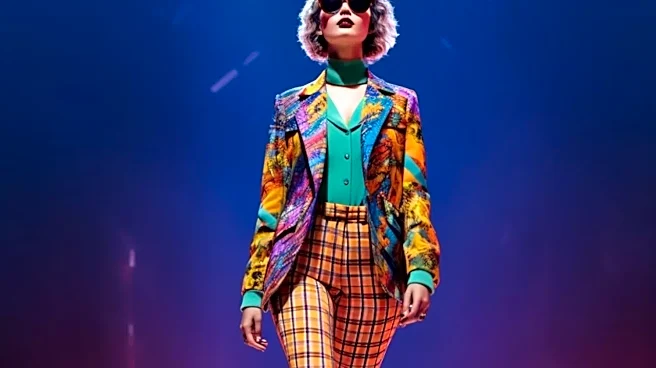
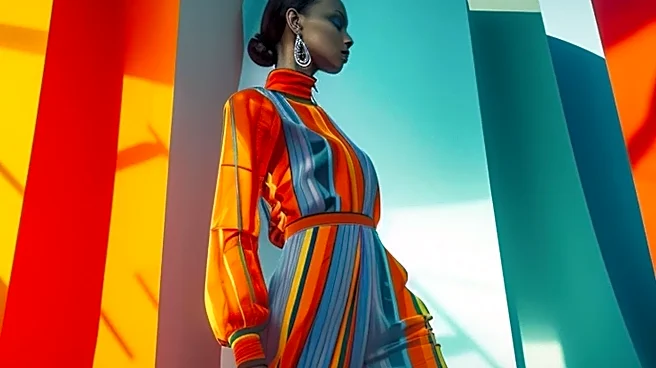
Think of a fashion collection as a complete sentence, or even a short story. A designer spends months, sometimes a full year, developing a narrative. This story is told through a progression of looks, usually numbering anywhere from 30 to 60 or more.
There’s a beginning (the opening looks that set the tone), a middle (where themes are developed), and a climax (the show-stopping finale). Each piece is a word in that sentence. A viral look is often the exclamation point—a single, loud piece of punctuation. To judge the entire narrative by that one mark is to miss the plot completely. Designers use clothing to convey ideas about culture, art, or personal experiences, weaving these concepts into silhouettes, fabrics, and color palettes. Seeing only the most extreme piece is like reading the last word of a novel and thinking you understand the author's intent.
The Purpose of the Showpiece
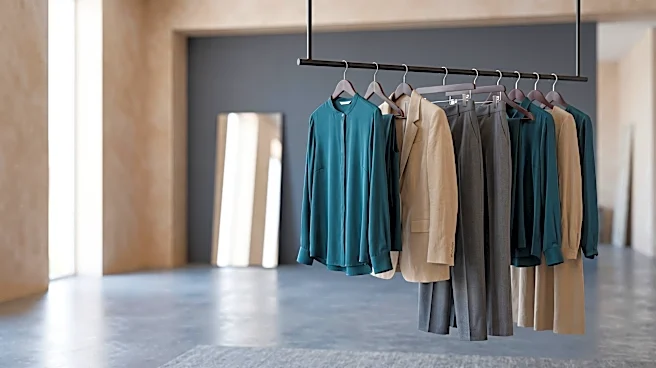
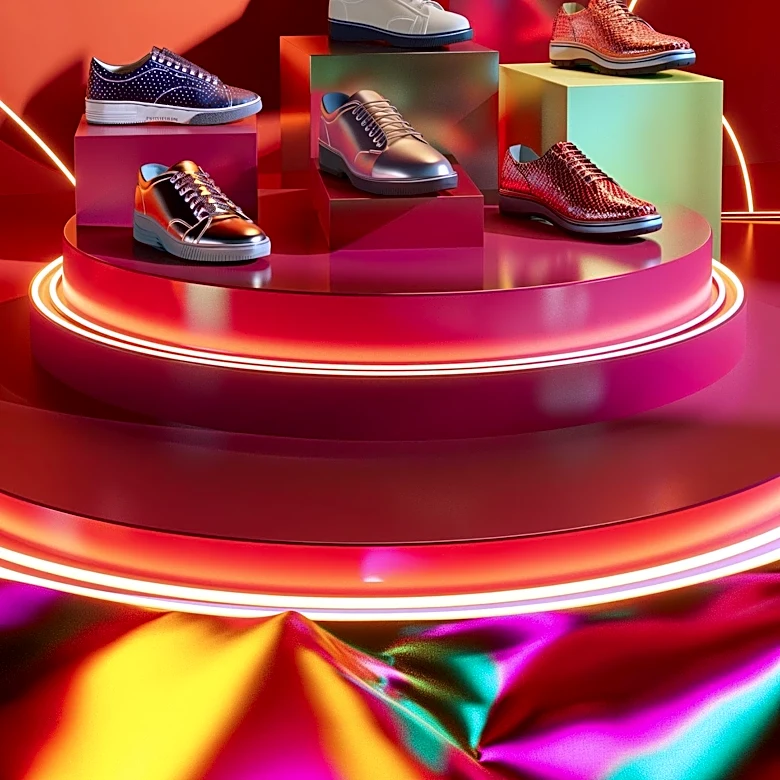
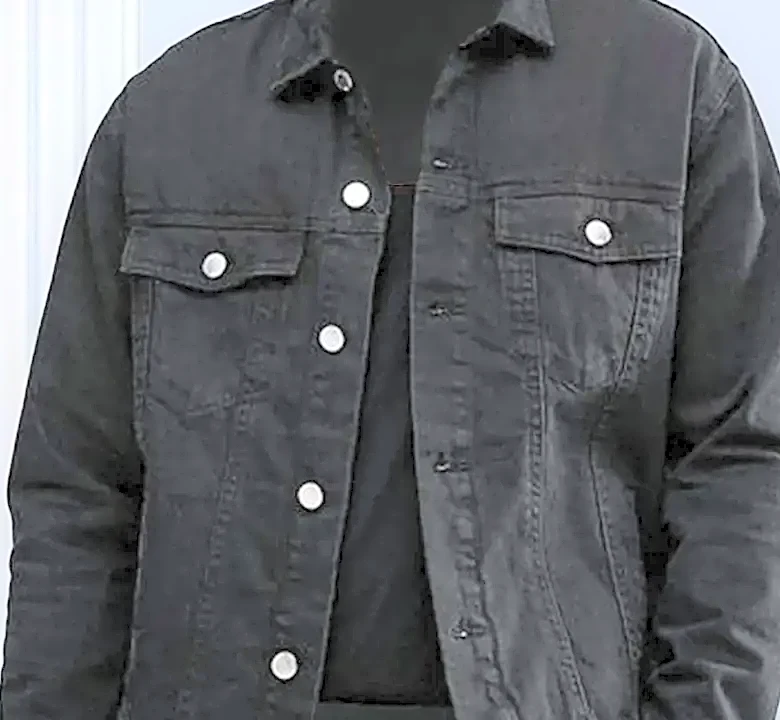
That bizarre, structurally impossible garment you see on TikTok wasn’t necessarily designed with your closet in mind. These are often “showpieces,” and they serve a different function. Sometimes they are a pure expression of artistic vision, a way for a designer to flex their creative muscles without the constraints of commercial reality. Other times, they’re a technical showcase, demonstrating mastery of a difficult technique or an innovative material. These pieces are created for the spectacle of the runway, designed to grab the attention of editors and generate buzz. They are the gateway to the rest of the collection, which is almost always filled with far more wearable, commercial items like blouses, trousers, and jackets that form the financial backbone of the brand. That viral dress pays the bills by getting you to look at the blazer you might actually buy.
The Algorithm Isn't a Fashion Critic
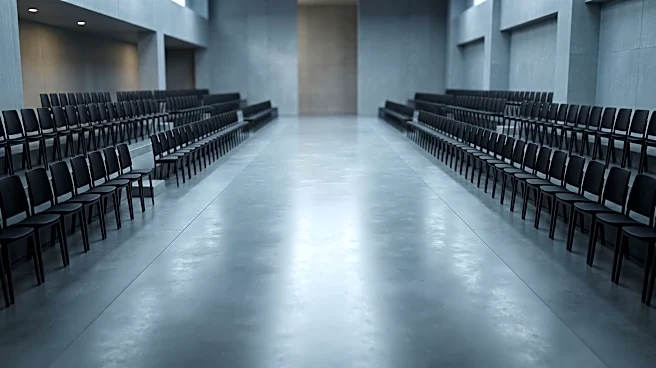
Social media platforms like TikTok and Instagram have fundamentally changed how we consume fashion, prioritizing short, high-impact visuals. The algorithm rewards the outrageous, the celebrity-worn, and the meme-worthy. A quiet, beautifully tailored coat doesn't stand a chance against a model wearing a dress made of silver branches or a gravity-defying bodice. This creates a distorted view of Fashion Week, where the most nuanced designs are often ignored in favor of whatever will generate the most clicks and comments. As a result, the public conversation becomes dominated by a few out-of-context images, while the designer’s broader message and the bulk of their actual work go unseen by the millions scrolling past.
What We Lose in the Scroll
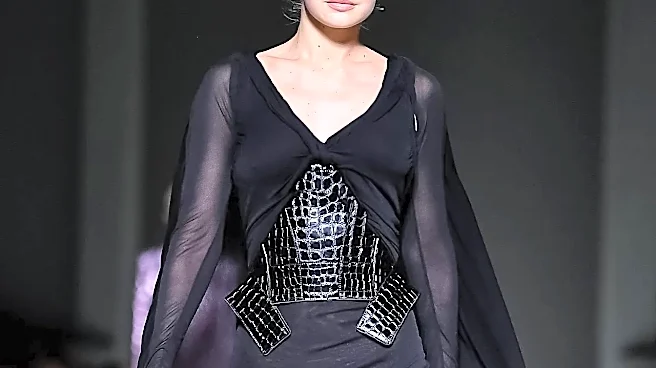
When we reduce a collection to a single look, we lose more than just context; we lose an appreciation for the craft. We miss the subtle evolution of a silhouette from one look to the next. We overlook the intricate detailing on a seemingly simple blouse or the expert tailoring of a pair of pants. Fashion, at its best, is a thoughtful art form. Many designers now opt for more intimate presentations instead of massive runway shows specifically so that editors and buyers can get up close, feel the fabrics, and see the craftsmanship that gets lost in a fast-paced show or a blurry photo. Judging a whole body of work on its most clickable component is like judging a chef's entire menu based on the spiciest hot sauce they offer. It’s a taste, but it’s not the meal.