
Embrace the Magic of Foam
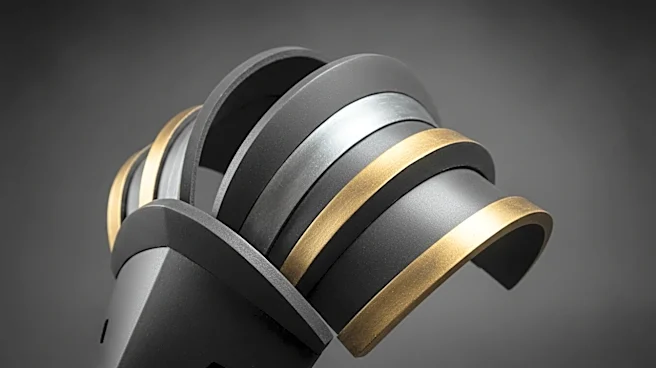
EVA foam is a game-changer for a reason. This material, found in products from yoga mats to craft sheets, is incredibly lightweight, affordable, and versatile. It can be cut with a craft knife, shaped
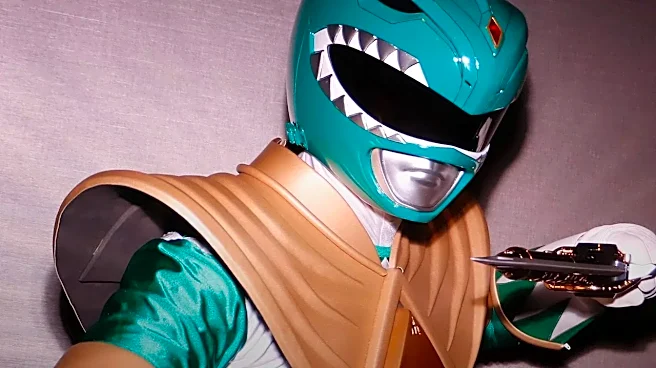
with a heat gun, and glued to create everything from futuristic armor plates to intricate fantasy helmets. Unlike solid, heavy materials, foam allows you to build large structures that remain comfortable to wear all day. Thicker sheets provide structure for base pieces, while thinner craft foam is perfect for adding detailed layers and embellishments without adding significant weight. With the right sealing and painting techniques, you can make foam look like dense metal, worn leather, or ancient stone, achieving a high-impact look for a fraction of the weight.
Master the Art of Illusion
A costume doesn't need to be physically huge to read as massive. Smart design choices can create the illusion of bulk and complexity. Use color and paint to your advantage. A strategic paint job with deep shadows and bright highlights can make a flat surface appear three-dimensional. Dry brushing, a technique where you apply a small amount of paint with a nearly dry brush, is excellent for picking out raised edges and creating a sense of depth and wear. Weathering techniques, like adding subtle stains with tea or coffee, or creating faux grime with thinned acrylic paint, can give a costume history and texture, making it more visually interesting without adding a single ounce.
Choose Fabrics Strategically
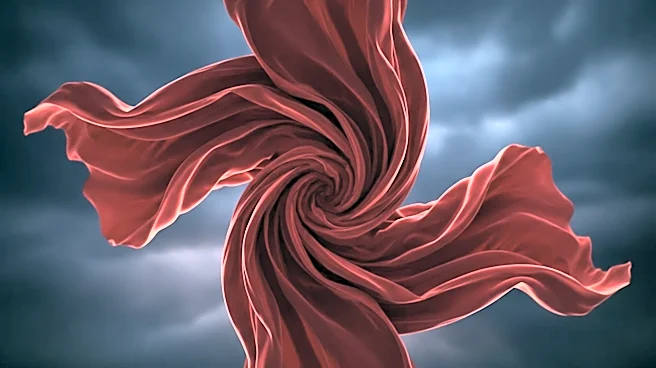
Fabric choice can make or break a costume's weight. Heavy materials like real leather, dense velvets, and thick brocades can quickly become burdensome. Instead, look for lightweight alternatives that offer a similar look. Faux leather vinyl provides a leather-like appearance without the weight and cost. For creating volume, turn to materials like tulle, organza, or chiffon. These airy fabrics can be layered to create massive skirts, ethereal capes, or billowing sleeves that have a huge visual footprint but weigh next to nothing. A simple petticoat made of tulle can give a skirt dramatic shape without requiring yards of heavy fabric.
Build a Smarter Skeleton
For truly enormous costume pieces, like large props or wings, think like an architect. Instead of making them from a solid block of material, build a lightweight internal structure. PVC pipes are perfect for creating a sturdy, hollow skeleton for a large staff or the frame for wings. For more complex curves, you can use flexible wire mesh or even pool noodles, which are surprisingly versatile for creating large, cartoonish shapes. The visible “skin” of the prop can then be made from a thin layer of fabric or foam, giving you a massive prop that is shockingly light and easy to carry. The key is to remember that the interior of the prop can be hollow or filled with support structures instead of solid material.
Think in Modules and Layers
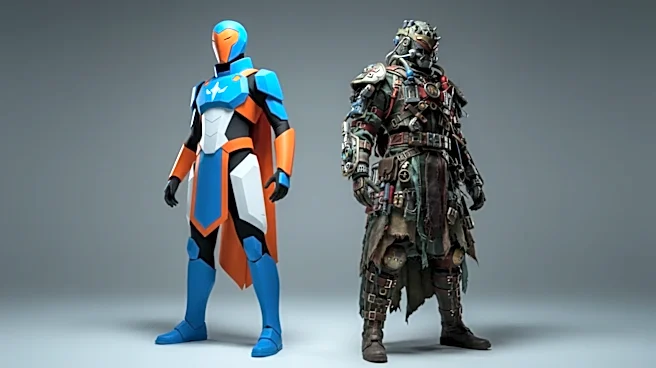
A single, monolithic costume piece can be incredibly unwieldy. Instead, design your costume as a series of smaller, modular components. A suit of armor can be a torso piece, separate shoulder pauldrons, and individual arm guards. This not only makes the costume easier to put on and take off but also distributes the weight more evenly across your body. It also improves mobility. Layering thin, lightweight materials can create a look of richness and complexity that is often more visually effective than one single, thick layer. For example, a cheap lace can be layered over a base fabric to create the impression of expensive, textured material. This modular approach gives you more flexibility and makes the entire experience of wearing your creation far more enjoyable.