


You Are the Main Character Now
In a movie theater, you are a passive observer. You watch from a safe distance as a character makes the foolish decision to enter the spooky basement. At Halloween Horror Nights (HHN), there is no distance and no cinematic fourth wall. You are the one
turning the corner into darkness. This fundamental shift from viewer to participant is the event’s secret weapon. The narrative isn’t happening to someone else on screen; it’s happening to you, in real time. When you walk through a house based on a film like "Evil Dead Burn" or confront the Cenobites from "Hellraiser," you’re not just seeing a story, you are cast as its potential victim. This sense of agency, even when you're just being funneled through a terrifying maze, makes every decision—every step forward—feel consequential. The trope of the isolated hero or victim is no longer a plot device; it's your immediate, panicked reality.
The Re-Engineered Jump Scare
The jump scare is horror’s most criticized and arguably most effective tool. In film, it’s a formula: quiet, quiet, LOUD. At HHN, it’s a multi-sensory art form. Universal’s creative teams are masters of misdirection and environmental storytelling. They use meticulously designed soundscapes, sudden changes in lighting, and even smells to build tension before a scare even happens. A scareactor doesn't just pop out from a wall; they might emerge from a spot you’ve already checked, aided by a blast of compressed air from another direction that distracts you for a critical half-second. The physical presence of the actor adds a layer a film can't replicate. The monster isn't a fleeting image; it's a breathing person invading your personal space, making the scare feel far more primal and violating.
The Monster Is Off the Leash
Seeing a killer like Art the Clown or a horde of Deadites on screen is one thing; knowing they are physically in the same space as you is another. Film confines its monsters to the frame. HHN lets them loose in scare zones and haunted houses, where their behavior feels unpredictable. The scareactors who portray these iconic figures aren't just following simple blocking; they are trained to react to guest fears, to lurk, to stalk, and to create personalized moments of terror. The feeling of being targeted by a roaming horde of chainsaw-wielding psychos or stalked through the fog by a silent killer is an experience movies can only approximate. The physical proximity and the lack of a barrier remove the comfort of fiction, making the threat feel immediate and real.
The Haunted House Becomes the Monster
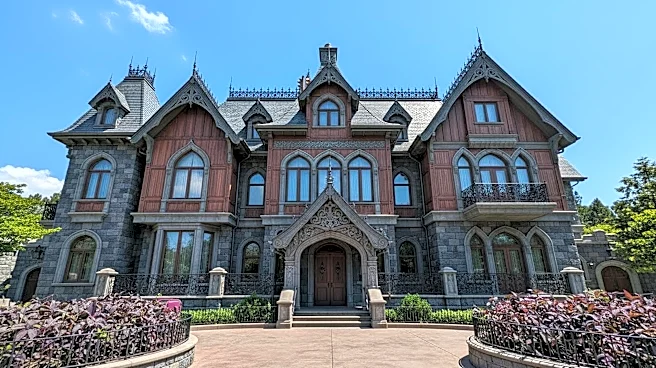
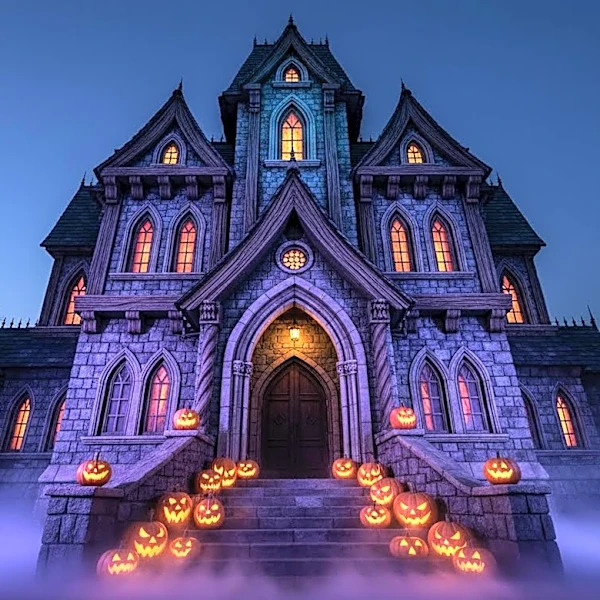
In film, the haunted house is often just a setting. At HHN, the house itself is an antagonist. The creative teams at Universal are renowned for their movie-quality set design. They build environments that are not just visually detailed but physically oppressive. Hallways unnaturally narrow, floors feel unstable, and the air grows thick with theatrical fog or unsettling scents. For its 2026 event, houses like the original concept "KILLceañera"—about a girl's vengeful birthday party with music by Slash—or intellectual properties like "Stranger Things 5" aren't just a series of scary rooms; they are fully immersive worlds designed to disorient and intimidate you before a single monster appears. The environment itself works against you, transforming a simple walk-through into a genuine struggle for survival.