





The Great Unbundling and the Rise of Free TV
For decades, the cable bundle was king—a sprawling package of channels for one (increasingly large) monthly fee. But the relentless rise of cord-cutting has changed everything. By 2026, the number of U.S. households subscribing to traditional pay TV has fallen
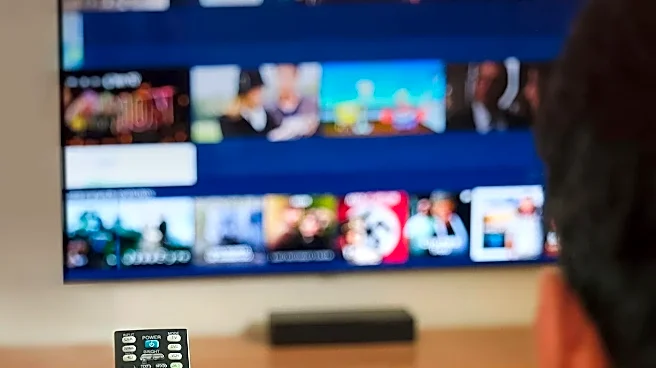
below 50%, a steep drop from its peak. In its place, a new acronym reigns: FAST, or Free Ad-supported Streaming Television. Platforms like Pluto TV, Tubi, and The Roku Channel offer a familiar, channel-surfing experience delivered over the internet, at no cost to the viewer. These services have become a primary source of live viewing for millions, providing a 'lean-back' alternative to the 'lean-in' experience of hunting for a specific title on Netflix or Disney+. For viewers fatigued by rising subscription costs, FAST offers a compelling, budget-friendly alternative.
Content: Prestige Originals vs. Vast Libraries
Here lies the fundamental difference. FAST channels excel at volume. They offer thousands of hours of licensed content—older sitcoms, classic movies, and niche single-show channels that are perfect for passive viewing. While some viewers find the quality comparable to cable, the content is rarely exclusive or new. Premium entertainment brands, on the other hand, stake their reputations on prestige. Networks like HBO, FX, and Showtime (often accessed via a cable subscription or a premium streaming add-on) operate on a different model. Their edge is rooted in high-budget, culturally significant original programming. These are the shows that dominate conversations, win awards, and create appointment viewing—something the vast, algorithm-driven libraries of FAST services struggle to replicate. In 2026, you turn on a FAST channel to have something on; you pay for a premium channel to watch something specific.
The Ad Experience and Brand Trust
While both models involve ads, the user experience is vastly different. FAST channels are supported entirely by advertising, resulting in frequent and sometimes repetitive commercial breaks that mimic traditional broadcast television. Premium cable channels, in their original linear form, are ad-free. Even the ad-supported tiers of their associated streaming services (like Max or Paramount+) typically feature a lighter ad load than their FAST counterparts. This creates a more immersive viewing experience. Furthermore, premium brands have spent decades building trust. An HBO logo has become a seal of quality, a promise to the viewer that the show they are about to watch has met a high bar for writing, directing, and production value. FAST services are aggregators, not curators. Their brand is built on variety and costlessness, not a consistent standard of excellence.
The Last Bastion: Live Sports and News
The final, and perhaps most significant, edge for premium cable packages remains live programming, particularly major league sports. While some sports have migrated to dedicated streaming services, the most-watched games and leagues are still deeply integrated into the cable ecosystem. Live sports are a primary reason many households maintain their expensive cable subscriptions. Similarly, the robust, 24/7 infrastructure of major news networks like CNN remains a key component of the cable bundle, even as their ad revenues face pressure from the shift to digital. FAST services offer news channels, but they often lack the global resources and breaking news immediacy of their legacy competitors. For viewers who prioritize live events, the cable bundle, for all its flaws, continues to provide a value that free streaming has yet to fully match.