






A Powder Keg Waiting to Ignite
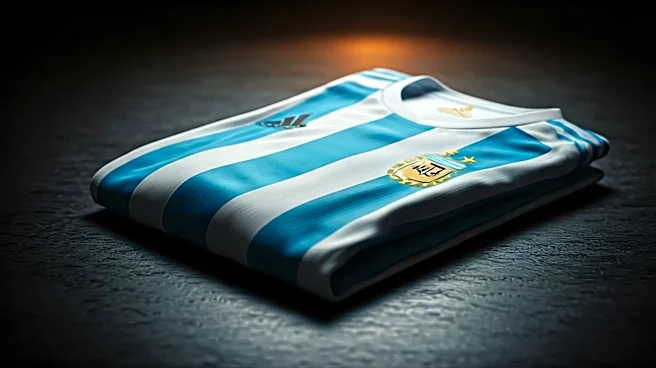
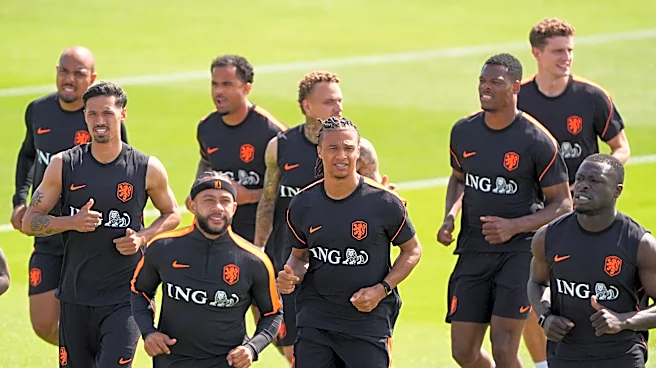
The stage was set for a classic. The 2022 FIFA World Cup quarterfinal in Lusail, Qatar, pitted Argentina, led by the legendary Lionel Messi in his last bid for the trophy, against a tough, resilient Netherlands side. The stakes were immense, the tension
palpable. But another key figure was on the pitch: Spanish referee Antonio Mateu Lahoz. Known for his theatrical style and a reputation for being 'card-happy,' Lahoz was not a referee who liked to stay in the background. His presence added a volatile third element to an already combustible mix of talent, desperation, and national pride. Fans and pundits alike held their breath, knowing that Lahoz's love for the spotlight could either keep control or, if mishandled, pour gasoline on the fire.
The Simmer Turns to a Boil
From the opening whistle, the game was physical and chippy. But instead of letting the players find a rhythm, Lahoz began inserting himself. He issued his first yellow card before the 30-minute mark and didn't stop. Minor fouls that might typically warrant a warning were met with a flash of yellow. The referee’s low threshold for dissent and physical contact created frustration on both sides. Players seemed confused, unable to gauge what was permissible. By halftime, several players were already walking a disciplinary tightrope. Argentina took a 2-0 lead and looked to be cruising, but the constant interruptions and accumulating cards kept the temperature of the match unnaturally high. The game wasn't just being played; it was being managed with a constant, nervous flurry of the referee’s whistle.
The Moment the Match Broke
With just minutes left in normal time and Argentina defending their lead, the match finally exploded. Argentina’s Leandro Paredes committed a hard foul, then inexplicably blasted the ball directly into the Dutch bench. Chaos erupted. The entire Dutch squad and staff poured onto the pitch to confront him. In the melee, Netherlands captain Virgil van Dijk, a mountain of a man, sprinted over and leveled Paredes with a full-body shove. It was a scene straight out of a hockey game, not a soccer match. Lahoz, having completely lost control, responded the only way he knew how: by distributing yellow cards like confetti. The incident broke the last thread of sporting civility. Moments later, the Netherlands scored a miraculous equalizer from a clever free-kick routine in the 101st minute, sending the game to a frenzied extra time.
Eighteen Cards and a Legend's Fury
Extra time and the subsequent penalty shootout were pure theater of the absurd. Lahoz set a World Cup record, issuing an astonishing 18 yellow cards and one red card (to Denzel Dumfries after the shootout concluded). Cards were shown to players on the pitch, substitutes on the bench, and even team staff. The game was no longer about tactics; it was about survival. Through it all, Lionel Messi, typically a calm and composed figure, was visibly enraged. He argued with Lahoz, engaged in verbal spats with Dutch players, and celebrated his penalty shootout goal by cupping his ears in front of the Netherlands' bench—a direct, personal taunt. After Argentina secured the win, Messi’s anger spilled into his post-match interview. Spotting a Dutch player, he snapped, “Qué miras, bobo?” (“What are you looking at, fool?”). It was a side of the global icon the world had rarely seen, provoked by a night of pure anarchy.
A Referee Sent Home
In the end, Argentina advanced and would go on to win the World Cup. But the story of the night was the referee. Players from both teams, including Messi and Argentinian goalkeeper Emi Martínez, openly criticized Lahoz’s performance, deeming him not up to the standard of a World Cup quarterfinal. The consensus was clear: his officiating had not managed the game but had instead escalated its tensions. While FIFA never makes official statements on refereeing assignments, Lahoz was conspicuously absent from the semifinal and final matches, effectively sent home from the tournament. His performance in the “Battle of Lusail,” as it was quickly nicknamed, had overshadowed one of the most dramatic games of the tournament, making him the central character in a story that should have belonged to the players.