

The Scent of a Modern Man
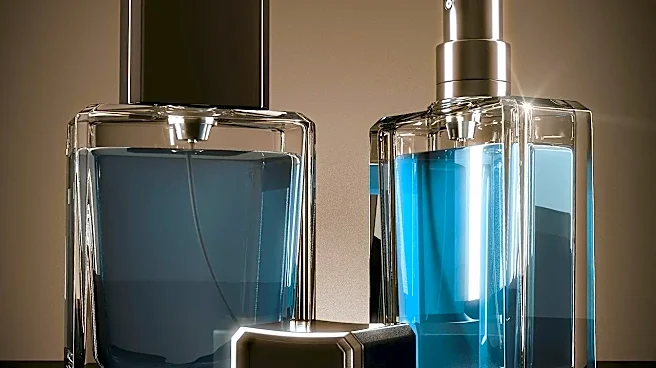
When Bleu de Chanel launched in 2010, it entered a market crowded with fleeting, intensely fresh aquatics and heavy, musky traditional colognes. Perfumer Jacques Polge was tasked with creating something new for Chanel, the brand's first major men's fragrance
launch in years. The result was a masterclass in balance. Bleu de Chanel wasn't just another 'blue' fragrance; it blended crisp, bright citrus notes of lemon and grapefruit with a deep, intriguing base of incense, ginger, and sandalwood. It was clean but complex, fresh but woody. This deliberate contradiction made it feel both instantly familiar and distinctly new—a fragrance that refused to be defined by the old rules of men's cologne.
More Than a Scent, A Story
Chanel didn't just sell a fragrance; it sold a vision of modern masculinity. The initial marketing campaign was a short film directed by none other than Martin Scorsese, starring the late French actor Gaspard Ulliel. The ad wasn't about splashing in the ocean or seducing a date in a nightclub. It portrayed a young, creative man navigating the pressures of fame, choosing authenticity over expectation. This sophisticated, cinematic storytelling became a brand hallmark. Subsequent campaigns with directors like James Gray and Steve McQueen, and later with Timothée Chalamet taking the helm, continued to build on this narrative of a man who is independent, artistic, and elegantly rebellious. The message was clear: this isn't just a scent you wear; it's a character you embody.
The Art of Staying Power
Over the past decade and a half, the fragrance world has seen numerous trends come and go. There was the explosion of intensely sweet, candy-like gourmand scents, the wave of powerful and divisive oud fragrances, and the move toward minimalist 'skin scents'. Through it all, Bleu de Chanel remained a constant top seller. Its versatility is a key reason for its longevity. It's refined enough for the office, yet distinctive enough for a night out. It's a safe bet that still feels special. This universal appeal, backed by the sheer power of the Chanel name, created a unique staying power that few fragrances ever achieve.
Evolving Without Changing
Chanel cleverly managed the fragrance's life cycle. After the original Eau de Toilette (EDT) in 2010, an Eau de Parfum (EDP) was introduced in 2014. This version, also crafted by Jacques Polge, deepened the woody and amber notes, offering a richer, longer-lasting experience. Then, in 2018, his son and successor, Olivier Polge, created the Parfum, a more intense and luxurious concentration with a focus on sandalwood. These releases weren't radical reinventions but thoughtful evolutions. They gave existing fans new ways to experience a scent they already loved and attracted new customers seeking different levels of intensity, all while keeping the core DNA of Bleu de Chanel intact.