
The 'People's Festival' and Its Casual Carpet
In its early decades, TIFF cultivated a reputation as “the people’s festival”—an unpretentious and accessible event more concerned with cinematic discovery than celebrity pageantry. The fashion, if you could call it that, reflected this ethos. Stars often
showed up in what looked like their own clothes: a nice dinner jacket, a simple dress, or sometimes even just jeans and a T-shirt. This wasn't a flaw; it was the point. The focus was squarely on the films and the artists. The idea of a coordinated, high-fashion "look" was largely absent. This was a holdover from the post-studio system era of the ‘70s and ‘80s, when actors, freed from the wardrobe departments that once dressed them for everything, were left to their own devices on the red carpet. The result was often authentic and personal, but rarely glamorous in the way we understand it now.
Hollywood's New Power Player: The Stylist
The major shift began not in Toronto, but in Hollywood. Starting in the late 1990s and exploding in the early 2000s, the role of the celebrity stylist was professionalized and popularized. Figures like Rachel Zoe became stars in their own right, known for creating a signature boho-chic look for clients like Nicole Richie and Lindsay Lohan. Before this, stylists were mostly anonymous background players or magazine editors. But this new guard understood that a red carpet was more than just an entryway to a theater; it was a powerful marketing tool. A single showstopping look could generate millions in media value, elevate a star’s profile, and sell out a designer’s collection overnight. The stylist became an essential part of a celebrity's strategic team, working alongside publicists and agents to craft a compelling public image.
When Couture Came to Canada
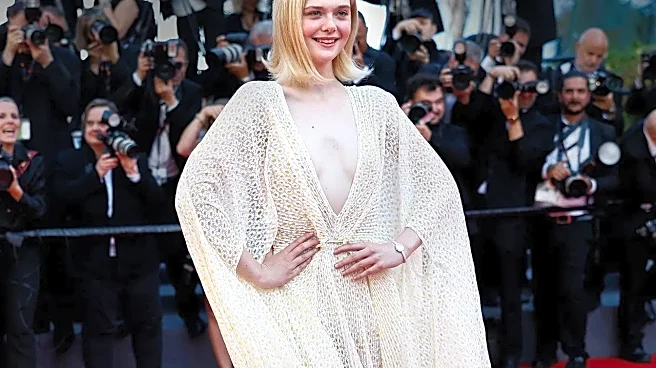
As TIFF grew in prestige throughout the 2000s, becoming a critical stop on the road to the Oscars, the stakes were raised. Stars and their teams could no longer afford to treat it as a casual affair. The rise of 24/7 media coverage and fashion-focused blogs meant every outfit was scrutinized and disseminated globally within minutes. This is where the influence of professional styling became visible on Toronto’s streets. Slowly but surely, the simple black dresses and off-the-rack suits were replaced by couture gowns and impeccably tailored ensembles. The festival’s calendar, packed with premieres, press conferences, and industry parties, offered a unique opportunity for stylists to showcase a range of looks for their clients, moving beyond a single red carpet moment.
The Modern 'Image Architect' Era
Today, styling at TIFF is a high-stakes game of narrative and branding. The most influential stylists, like Law Roach and Kate Young, don't just pick pretty clothes; they are self-described "image architects." They craft a cohesive story for a star across the entire festival run. Roach, famous for his work with Zendaya, pioneered the concept of "method dressing," where a star's wardrobe thematically connects to the film they're promoting. Young, whose clients have included Michelle Williams and Margot Robbie, is known for a precise, elegant approach that enhances a star's personality without overpowering it. A modern TIFF appearance now involves a curated collection of outfits for premieres, photo calls, and parties, all meticulously planned to create a powerful and lasting impression that resonates far beyond the festival itself.