




The Tribute as a Thesis
The 2016 VH1 Hip Hop Honors, which celebrated the pioneering women of the genre, saved a special energy for Lil' Kim. When artists like Teyana Taylor and Lil Mama took the stage, they didn't just sing her songs; they inhabited her spirit. Taylor, in particular,
recreated Kim’s iconic 1996 leopard print bikini pose from the “Hard Core” era before reemerging with The Lox in a platinum blonde wig to perform “All About the Benjamins.”. The performers understood the assignment: a Lil’ Kim tribute requires embodying her looks, her signature squat, and her unapologetic swagger. It was a living testament to the idea that Kim’s visual and stylistic choices are not separate from her music—they are an essential part of the text, providing the context, shock, and glamour that made her a legend.
The Blueprint for a New Kind of Star
When Lil' Kim arrived in the mid-90s, she detonated the established norms for female rappers. In an industry where many women adopted a more androgynous or tomboyish style to be taken seriously, Kim did the opposite. Guided by her own vision and collaborator Misa Hylton, she fused raw, explicit Brooklyn lyricism with high-fashion provocation. She introduced a world of candy-colored wigs, head-to-toe designer logos, and risqué silhouettes that were as audacious as her rhymes. Before Kim, the bridge between high fashion and hip-hop was tentative at best. She became the first rapper invited to the Met Gala in 1999 and was a muse to designers like Marc Jacobs and Donatella Versace. This wasn’t just about wearing expensive clothes; it was about claiming space and declaring that a woman could be both a lyrical heavyweight and a sexual, chameleon-like fashion icon. She didn’t just wear fashion; she bent it to her will.
But Don't Forget the Bars
Focusing solely on the persona does a disservice to the foundation it was built upon: a genuinely formidable musical catalog. Her 1996 debut album, Hard Core, was a commercial and critical smash, eventually going double platinum. Executive produced by The Notorious B.I.G., the album was praised for its sharp, witty, and unflinchingly raunchy lyrics, delivered with a confidence that was groundbreaking. Songs like “No Time” and “Crush on You” became anthems, making her the first female rapper to score three consecutive No. 1 hits on the Billboard Rap songs chart. Critics at the time noted her “fearless rhymes” and hilarious, filthy storytelling. While there was also a puritanical backlash, the album’s influence was undeniable. The persona was the Trojan horse, but the lyrical skill was the army inside.
An Unmistakable Legacy
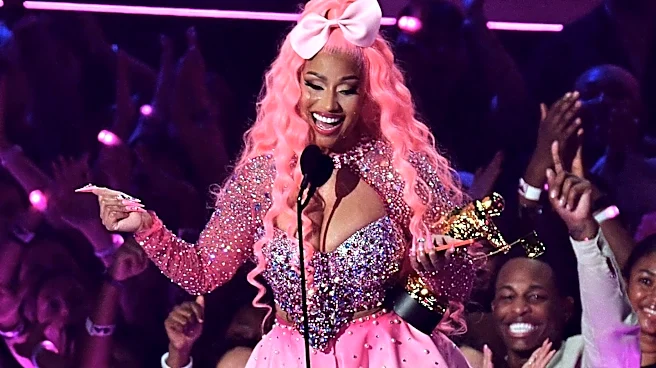
You can draw a direct line from Lil’ Kim’s playbook to the biggest stars of the modern era. Her DNA is visible in the careers of Nicki Minaj, Cardi B, and Megan Thee Stallion, all of whom masterfully blend lyrical prowess with bold, ever-changing visual identities and an unapologetic command of their sexuality. Kim’s iconic 1999 MTV Video Music Awards purple jumpsuit and matching pasty, a look created by Misa Hylton, has been referenced and recreated countless times, cementing its place in pop culture history. Her willingness to treat her hair, makeup, and wardrobe as an extension of her art created a new blueprint for female superstardom. She proved that a woman in hip-hop didn't have to choose between being respected for her rhymes and celebrated for her image. She could, and should, demand both.