






Ancient Origins: The Persian 'Boteh'
Long before it was a fashion statement, the paisley pattern began its life in the Persian Empire, where it was known as 'boteh' or 'buta'. Dating back thousands of years, this teardrop shape is believed to be a stylized representation of a cypress tree,
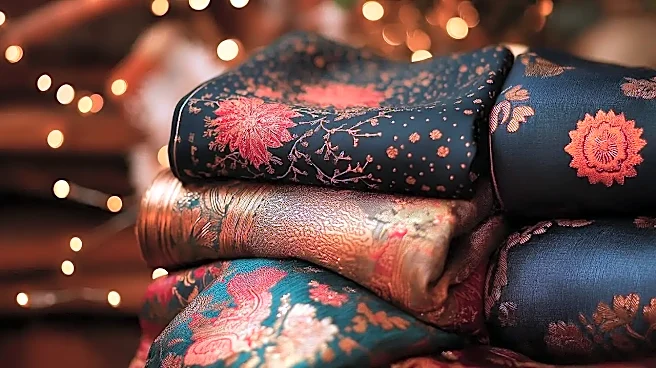
a Zoroastrian symbol of life, resilience, and eternity. Others interpret the curved form as a sprouting seed or a flame, symbolizing fertility, renewal, and divine light. This powerful symbol was a staple in Persian and Mughal art, woven into luxurious textiles and carpets reserved for royalty and ceremony. It wasn't just a pattern; it was a story of life and everlastingness woven into fabric.
The Journey West on Kashmir Shawls
The boteh's journey to the West began in the 17th and 18th centuries. Officials and traders of the British East India Company encountered the motif on exquisite hand-woven shawls from the Kashmir region of India. These shawls, made from the ultra-soft wool of Himalayan goats, were incredibly intricate and became highly coveted luxury items. As traders brought them back to Europe, they became the ultimate status symbol for aristocratic women. Portraits from the era show Empress Joséphine, Napoleon Bonaparte's wife, draped in these opulent textiles, helping to cement their place in high society. The demand for these exotic and beautiful shawls soon outstripped the supply that could be imported from the East.
From 'Boteh' to 'Paisley' in Scotland
European weavers saw an opportunity. In the early 1800s, textile mills across the continent began trying to replicate the intricate designs of the Kashmir shawls. While towns in France and England produced their own versions, it was a small town in Scotland that would become forever linked with the pattern. Paisley, Scotland, became the leading producer of these imitation shawls, using innovative Jacquard looms to create more affordable versions for the eager European market. By the mid-19th century, the town had thousands of weavers dedicated to the craft. Their success was so complete that the ancient boteh pattern was given its modern Western name: paisley.
Gimmo Etro's Bohemian Vision
For a time, the paisley pattern faded, but it found a vibrant second life during the psychedelic 1960s, adopted by the counterculture movement and rock stars like The Beatles. Around this same time, in 1968, Gerolamo “Gimmo” Etro founded a textile company in Milan. An avid traveler and collector of art and antiques, Etro was fascinated by history and different cultures. During a trip to India in 1981, he was captivated by the rich history and beauty of the paisley motif he saw on traditional shawls. Inspired, he decided to introduce the pattern into his own fabric collections. This was a pivotal moment. Etro wasn't just copying a trend; he was elevating a historic symbol and making it the cornerstone of his brand's identity.
A Modern Luxury Signature
Under Etro's direction, paisley was reborn. The brand transformed the pattern from its hippie-era association into a symbol of bohemian luxury and sophisticated worldliness. Etro rendered the familiar swirls in rich, jewel-toned color palettes on the finest silks, cashmeres, and jacquard fabrics. The pattern was no longer just a print; it became the very soul of the brand, appearing on everything from ready-to-wear collections and leather goods to fragrances and home furnishings. By making paisley its signature, Etro did more than just create beautiful clothes; it wove a story of travel, culture, and history into the very fabric of modern luxury, ensuring the ancient boteh's journey continues on catwalks around the world.