
An Epic Gamble in a Dead Genre
In the late 1980s, the Western was a ghost town at the box office. So when Kevin Costner, a newly minted movie star, decided to make his directorial debut with a three-hour epic in the genre—with significant portions of dialogue in subtitled Lakota—studio
executives were more than nervous. The project was ambitious and expensive, filmed sequentially across the vast, unpredictable landscapes of South Dakota. It was a passion project for Costner, who also starred and co-produced, but the industry saw a potential financial disaster in the making, a project too long, too niche, and too out of step with the times to succeed. The film’s journey from risky bet to cinematic triumph is one of Hollywood’s great underdog stories.
Taming a Five-Hour Masterpiece
When principal photography wrapped, the real challenge began. The initial rough cut of Dances with Wolves reportedly clocked in at over five hours long. Tasked with sculpting this mountain of footage was veteran editor Neil Travis, who had previously worked with Costner on No Way Out. His job was to find the emotional core and narrative thrust within a sprawling, beautiful, but commercially daunting film. The pressure was immense. A film of that length was simply not viable for a wide theatrical release. Travis, known for his belief in rhythm and clarity, had to make brutal decisions, excising entire subplots and characters to get the film down to its fighting weight.
The High-Stakes Art of the Final Cut
The spirit of the headline—a film saved in a weekend—speaks to the intense, compressed nature of post-production. While the entire edit took months, the final, crucial decisions were made under immense pressure. The distributor, Orion Pictures, was famously wary of the film's length and needed a version that could succeed with mainstream audiences. This required a period of intense, focused work from Travis and Costner. This phase of the edit is where a film’s fate is sealed. It's a process of rapid-fire problem-solving, of trusting instinct, and making bold choices that can feel like a creative sprint. It was this critical phase of honing, trimming, and shaping—condensing the epic story into a powerful, accessible three-hour narrative—that truly saved the film’s commercial prospects.
From 'Kevin's Folly' to Oscar Gold
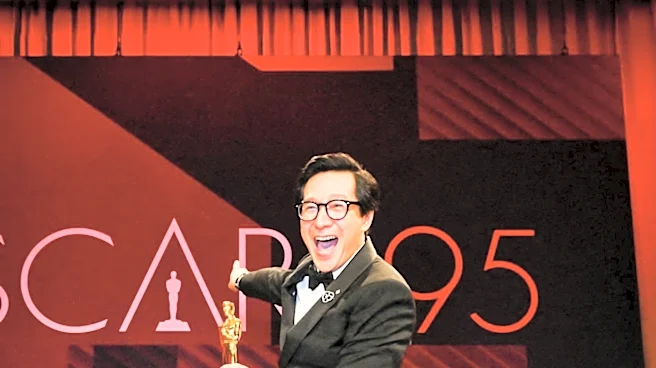
The result of that intense process was a 181-minute theatrical cut that became a phenomenon. The film opened to rave reviews and massive audiences, ultimately grossing over $400 million worldwide. It defied all expectations, proving that audiences had an appetite for intelligent, character-driven epics. The ultimate validation came at the Academy Awards, where Dances with Wolves won seven Oscars, including Best Picture and Best Director for a stunned Kevin Costner. Crucially, Neil Travis also took home the Oscar for Best Film Editing, a testament to his monumental task. His work wasn't just about shortening the film; it was about protecting its soul while making it accessible, a balancing act that turned a risky endeavor into a cinematic landmark.