







For Country vs. For Franchise
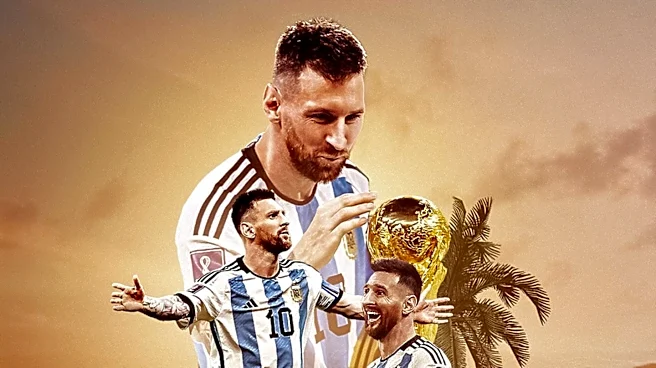
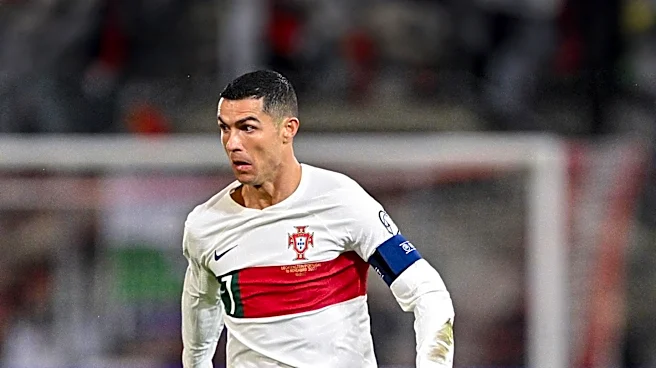
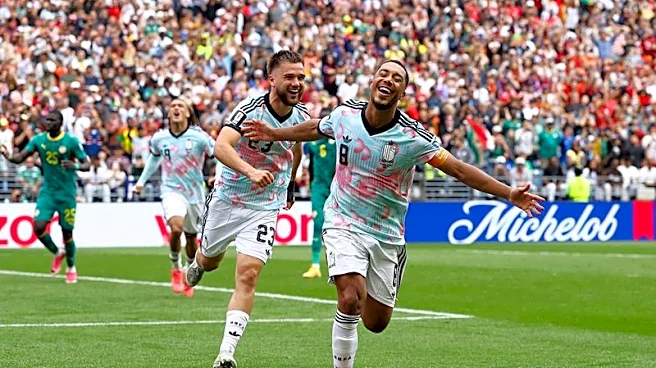
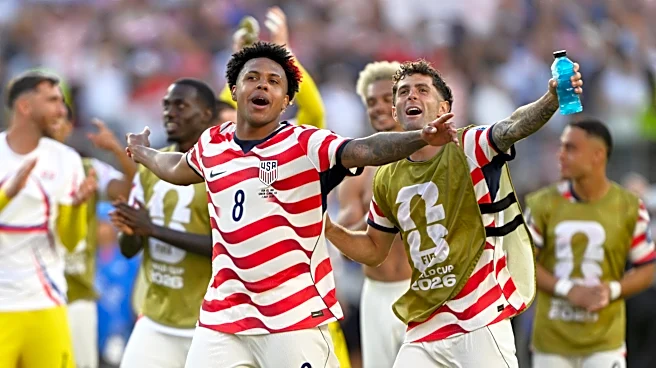
The most fundamental difference lies in who the hero plays for. A soccer hero, especially in a World Cup or Euros context, represents an entire nation. They wear a national crest, and their triumphs and failures are felt on a collective, patriotic level.
Their victory isn't just a city's victory; it's a moment of national identity solidified on the world stage. When an athlete scores the winning goal, they are lionized as a national treasure, their face splashed across every newspaper, their name sung in the streets from coast to coast. This dynamic turns the athlete into a vessel for national hope and history. By contrast, the American sports hero almost always represents a franchise—a privately-owned team tied to a city. While fans are intensely loyal, that loyalty is to the Lakers, the Cowboys, or the Yankees, not to the United States as a whole. The American hero fights for a championship, a ring, and a parade in a specific city. Their narrative is one of professional and regional dominance, not national destiny.
The Sprint vs. The Marathon
The calendar of glory is dramatically different. A soccer cup hero is often forged in the intense, concentrated heat of a single-elimination tournament that lasts just one month every two or four years. This creates a narrative of a dramatic sprint where one moment of brilliance—or one costly mistake—can define a career. Players can go from obscurity to global fame in a matter of weeks, their legacy cemented by a single goal, a dramatic save, or a winning penalty kick. American sports heroism, on the other hand, is a marathon. The NFL, NBA, and MLB seasons are long, grueling campaigns where greatness is measured by consistency. A quarterback or pitcher builds their heroic status through months of statistical accumulation, week-in-week-out performance, and navigating a complex playoff structure. A bad game in October can be forgotten by January. This sustained excellence creates a hero defined by their resume and body of work, not just a single, explosive moment.
A Single Moment vs. A Statistical Resume
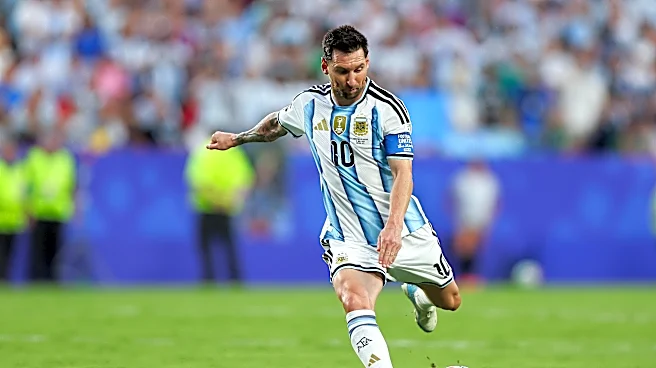
Flowing from the different tournament structures is the very nature of the heroic act. In soccer, a player can become a legend for a single, iconic moment. Think of Mario Götze's chest-and-volley in the 2014 World Cup final or Andrés Iniesta's winner for Spain in 2010. These players are forever immortalized for that one touch of the ball. Their overall tournament statistics can be secondary to the poetic finality of their one decisive action. American sports culture, with its deep love of analytics and data, often builds its heroes on a mountain of statistics. An MVP is typically the player with the most passing yards, home runs, or highest player efficiency rating. A championship performance is broken down into quarterback ratings and shot charts. The hero isn't just the one who made the winning play, but the one who dominated the box score and proved their value quantitatively over the entire contest and season.
The Global Stage vs. The Domestic Kingdom
Finally, there’s the question of scale. A soccer cup hero performs on a truly global stage, with billions watching. Their fame transcends borders, and their heroic moments become part of a shared global sporting consciousness. They compete against the world and, in victory, are celebrated by it. American sports, for all their commercial power, are primarily domestic kingdoms. The Super Bowl and World Series are massive events within the United States but command significantly less attention globally. An American sports hero is the king of a vast and lucrative market, but their coronation is largely a national affair. Their heroism is defined by being the best in their league, a league that is, by its own design, the center of its own universe.