


The New Digital Stadium
Forget simply casting one vote for your favorite artist. Modern VMA voting is a complex, coordinated effort that mirrors a full-scale campaign. Fandoms like Taylor Swift's Swifties or the BTS ARMY don't just participate; they strategize, mobilize, and execute
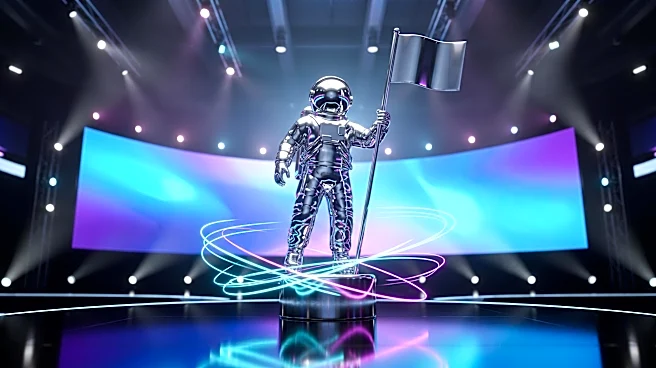
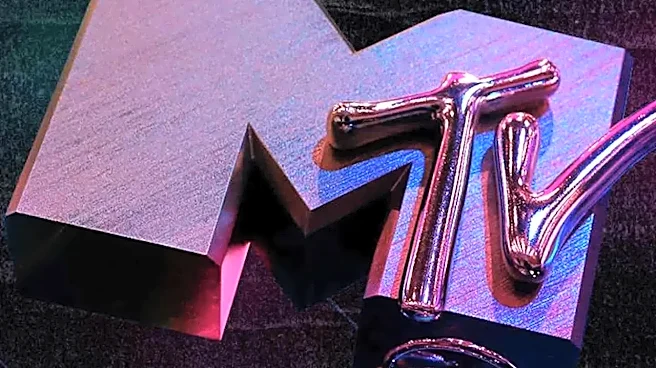
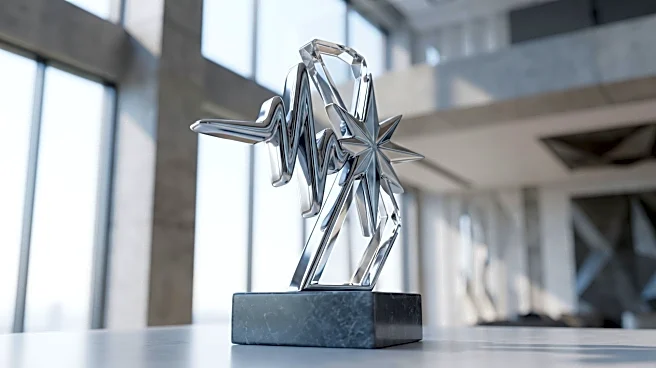
with near-military precision. The battleground isn't a physical field but a digital one, spanning social media platforms like X (formerly Twitter), private Discord servers, and sprawling group chats. The goal is singular: secure the win for their artist. This transformation from a casual fan poll to an organized sport has fundamentally changed what it means to be a fan, turning passive support into active, results-driven labor. The "Moon Person" trophy is no longer just for the artist; it's a symbol of the fandom's collective power and dedication.
The Official Playbook
Every successful team needs a playbook, and VMA fandoms have perfected theirs. Weeks before voting opens, fan leaders—often anonymous but highly respected accounts—begin their work. They create and distribute detailed voting guides, complete with step-by-step instructions, timezone conversions for global members, and a clear list of priority categories. The core of the strategy often revolves around exploiting the system's own rules. When MTV announces a "Power Hour" where votes are counted double, fandoms organize mass-voting sessions, urging members to be online and ready. These periods allow fans to cast up to 20 votes per category, instead of the usual 10, dramatically increasing their impact. It’s a 24/7 operation that requires immense organization, all communicated through a constant stream of updates and motivational posts.
A Position for Every Player
Just like in any sport, there's a division of labor. At the top are the "strategists," who analyze the competition, identify the most critical categories to focus on, and set the daily voting goals. Below them are the "content creators," who design eye-catching graphics and slick video edits that flood social media feeds with voting reminders. Then there are the "trackers," meticulous fans who monitor voting progress, often using spreadsheets to estimate their standing against rival fandoms. And finally, there are the "grinders"—the vast majority of the fandom who form the backbone of the operation. Their job is to vote relentlessly, often across multiple accounts and email addresses, sometimes for hours on end. This structure ensures that everyone has a role, fostering a powerful sense of community and shared purpose. Each vote cast feels like scoring a point for the home team.
More Than Just a Trophy
So why go to all this trouble for an awards show? For these fandoms, a VMA win is the ultimate validation. In an industry where success is often measured by opaque metrics, a fan-voted award is a direct, tangible confirmation of their collective influence. It's proof that their artist dominates the cultural conversation, and that they, the fans, made it happen. Winning is a powerful counter-narrative against critics or industry gatekeepers who may overlook their favorite artist. It allows the fandom to declare, "We are the most powerful, the most dedicated." This emotional investment is why the wins are celebrated with such euphoria and the losses are felt so deeply. It’s not just their favorite artist's loss; it's their team's loss, making the stakes feel incredibly personal.