



The Slow-Burn Visual
Long before a villain speaks a line of dialogue, their power is built through imagery. The strategy is to show, but not tell. This can be as simple as a piece of concept art revealed at the end of a panel, showing a menacing silhouette but no defining
features. It’s a classic move that fuels months of online speculation based on a single, carefully curated image. Other times, the reveal comes from the merchandise itself. At this year's con, Funko announced a highly limited, exclusive Pop! figure of Samhain, a classic villain from The Real Ghostbusters. By releasing the character's physical form as a collectible, they re-introduce a nostalgic foe to a new generation and confirm his appearance, all without a single story detail. This tangible tease gives fans something to hunt for on the show floor, turning a character reveal into a trophy. It’s a tactic Marvel has perfected over years, using conventions as major beats to release new art of long-term villains like Doctor Doom, slowly building a complete picture through posters, packaging, and toy designs.
Atmosphere as the Antagonist
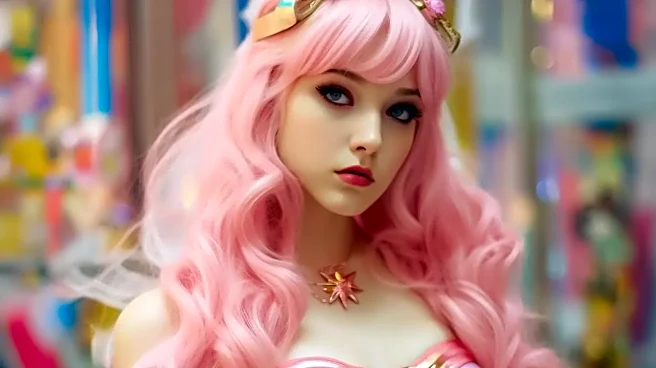
Sometimes, the most effective way to introduce a villain is to make attendees feel their presence. Immersive booths and offsite activations are designed to build a world, not just showcase a product. Imagine walking into a space designed to be a replica of a villain’s lair, complete with unsettling soundscapes and thematic lighting. You don't see the bad guy, but you experience their world and feel their influence. This year, panel announcements for Peacock’s “Crystal Lake,” a prequel to the iconic “Friday the 13th” franchise, suggest this very approach. An activation could recreate the eerie feeling of the infamous camp, using sound and environmental cues to hint at the looming danger without ever showing a killer. Similarly, DC has promoted its events with themed cosplay photo opportunities. These experiences don't spoil the plot; they establish a mood and allow fans to literally step into the story's conflict zone. By focusing on the villain's impact on their environment, creators build a sense of dread and anticipation that a simple headshot never could.
The Art of the Panel Dodge
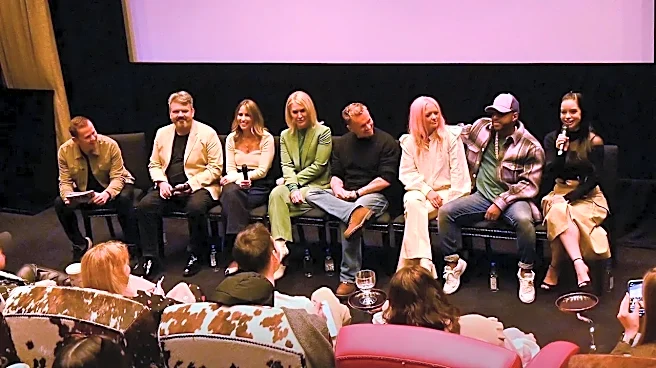
The panel is the heart of Comic Con, and it's where verbal misdirection becomes an art form. When showrunners, writers, and actors take the stage, they have been meticulously trained to talk around a villain. Instead of describing what the antagonist does, they focus on why they do it. They’ll discuss the villain’s ideology, what makes them a dark mirror to the hero, or how other characters react to the threat they pose. Panels for returning shows with new threats, like AMC's “The Walking Dead: Daryl Dixon” or Paramount+'s “Dexter: Resurrection,” are masters of this. The cast can share stories about the on-set atmosphere or the psychological toll the new villain takes on their characters, giving the audience juicy details about the consequences of evil without revealing its source. This technique builds the villain’s mythology. It makes them feel formidable and complex before they even appear on screen, elevating them from a simple obstacle to a philosophical threat.
Making the Fans Do the Work
The most sophisticated strategy is to transform the audience from passive viewers into active detectives. This is achieved through interactive and augmented reality (AR) experiences that hide clues in plain sight. A studio might embed a QR code on a poster that leads to a cryptic, in-universe website logging the villain’s activities. Or an AR filter on the convention’s official app could reveal hidden messages or symbols when pointed at specific locations around the Javits Center. These alternate reality games (ARGs) extend the experience beyond the convention hall, creating a breadcrumb trail for the most dedicated fans to follow and piece together. This doesn't just build curiosity; it fosters a community of speculators who work together to solve the puzzle. By gamifying the reveal, studios aren't just marketing a villain; they are creating a pre-narrative, making the fans a part of the story before it even officially begins.