




The Softer Seventies: Earth Tones and Anti-Establishment Flow
To understand the severity of the 80s silhouette, you first have to remember the dominant aesthetic it replaced. The 1970s, an extension of the late-60s counter-culture, was a decade defined by a move toward naturalism and comfort. Fashion was characterized
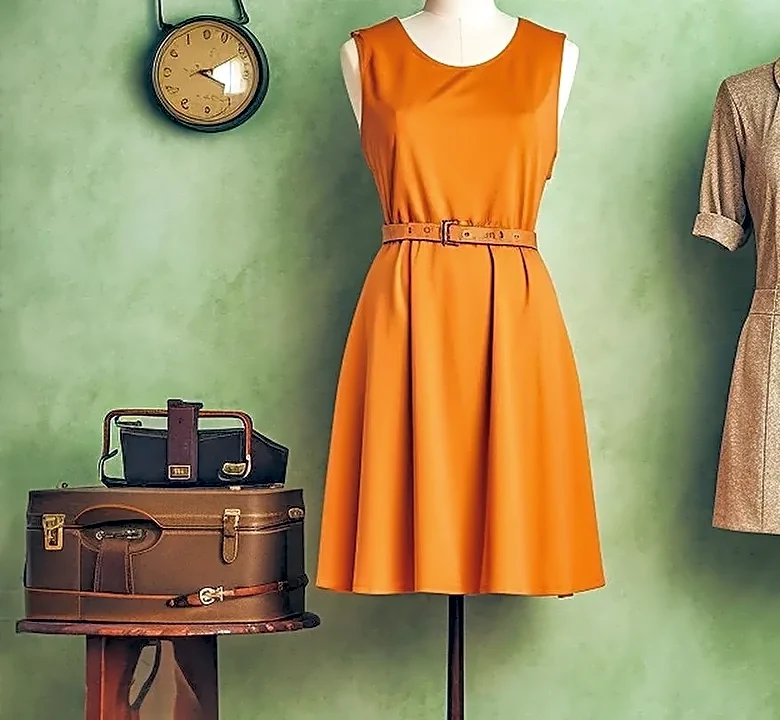
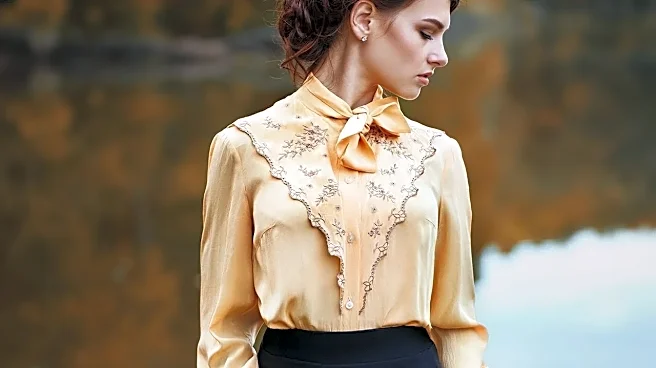
by flowing shapes, earthy colors, and a general rejection of rigid structure. Think bell-bottom jeans, peasant blouses, fringed vests, and maxi dresses in shades of brown, orange, and avocado green. This was the era of the anti-war movement and a growing environmental consciousness, and the clothes reflected a desire to be free, unconstricted, and closer to nature. Silhouettes were often loose and androgynous in a soft, non-confrontational way. The message was one of peace, love, and dropping out of the very corporate structure the 80s would soon embrace.
A New Decade, A New Ambition
As the 1970s ended, a different cultural and economic wind began to blow. The 1980s ushered in an era of unapologetic ambition, consumerism, and the rise of the “yuppie” (young urban professional). It was the age of Reaganomics and Wall Street, where success was not just desired, it was displayed. This shift was especially critical for women, who were entering the professional workforce in larger numbers than ever before, stepping into corporate roles traditionally held by men. They needed a new uniform, one that could communicate authority and seriousness in these male-dominated spaces. The soft, flowing, and gentle aesthetic of the 70s was seen as wholly inadequate for the corporate battlefield. A new sartorial armor was required.
The Armor of Authority: Inventing the Power Suit
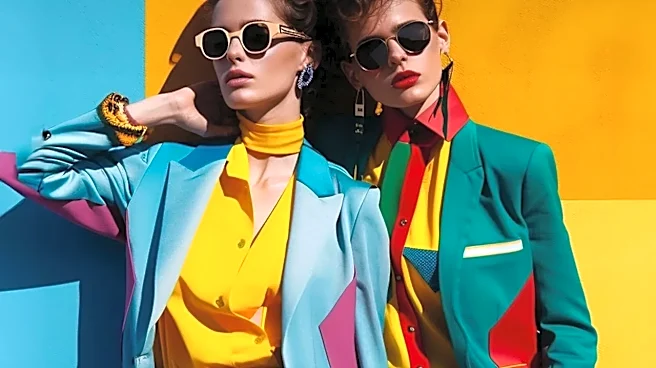
Power dressing was born from this need. It was a conscious and strategic rejection of the previous decade's softness. The most defining feature was the shoulder pad. By artificially broadening the shoulders, women's suits mimicked the traditionally masculine V-shape silhouette, creating an immediate visual impression of authority and presence. These weren't subtle enhancements; they were architectural statements. Designers like Giorgio Armani and Thierry Mugler created suits with sharp, angular lines, tailored waists, and knee-length skirts. The earthy, muted palette of the 70s was discarded in favor of bold, powerful colors like royal blue, fuchsia, and fire-engine red, often deployed in confident color-blocking. Fabrics were luxurious and crisp, a far cry from the well-worn denim and cheesecloth of the hippie era. This was fashion as a tool—a way to claim space and be taken seriously.
From Boardroom to the Big Screen
The influence of power dressing quickly spread beyond the office. Pop culture cemented the look as the aspirational style of the decade. Television shows like "Dynasty" and "Dallas" showcased powerful, wealthy women whose wardrobes were as formidable as their business dealings. Characters like Joan Collins' Alexis Carrington became style icons, dripping in jewels, fur, and, of course, razor-sharp shoulder pads. Films like "Working Girl," where Melanie Griffith's character undergoes a style transformation to climb the corporate ladder, explicitly linked the power suit to professional success. This visibility helped solidify the idea that to be powerful, you had to dress the part, making the look a defining statement of 1980s culture.