







The Spoonful of Sugar Approach
Satire is essentially a Trojan horse. It uses humor, irony, and exaggeration to sneak difficult conversations past our defenses. A straight drama about climate change might feel like a lecture, but a dark comedy about astronomers trying to warn a celebrity-obsessed
world about a planet-killing comet gets the message across while making you laugh. Think of films like Adam McKay’s “Don't Look Up” or Ruben Östlund’s “Triangle of Sadness,” which ruthlessly mock wealth inequality and societal apathy. They work because laughter is disarming. It allows us to engage with uncomfortable truths—about greed, corruption, or our own indifference—without immediately shutting down. It’s a way to critique power by first making it look absurd.
A Slate for Anxious Times
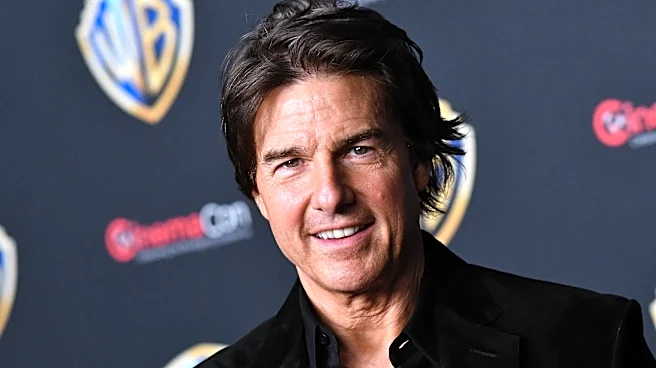
This fall’s movie lineup seems to be leaning into this strategy, reflecting a world grappling with absurdity. One of the most talked-about films is “Digger,” a satirical thriller from director Alejandro G. Iñárritu. It features a nearly unrecognizable Tom Cruise as a reckless oil tycoon who, after causing an environmental catastrophe, tries to rebrand himself as the world’s savior. The premise alone is a biting commentary on corporate greenwashing and billionaire egos. Another film, Aaron Sorkin’s “The Social Reckoning,” is a whistleblower biopic about the 2021 Facebook Files leak, promising a sharp look at the collision of media, tech, and political power. Even the indie world is participating, with films like “Idiots,” a road-trip comedy that uses its journey to expose the festering rot of modern American entitlement and class divides.
Walking the Tonal Tightrope
Of course, satire is a delicate art. For every “Dr. Strangelove” or “The Death of Stalin,” there are films where the humor falls flat or, worse, trivializes the very issue it’s trying to critique. The effectiveness depends on a precise balance. The comedy needs to be sharp enough to land, but the underlying seriousness must remain intact. When a film makes a powerful figure a punchline, as Taika Waititi did with his imaginary Hitler in “Jojo Rabbit,” it can strip away their mystique and power. But if the jokes overshadow the commentary, the film risks becoming part of the noise it’s meant to cut through. The goal isn't just to laugh at a problem, but to laugh our way into thinking more critically about it.
Why We Need to Laugh Now
The rise of satirical film isn’t just a trend; it feels like a necessary response. In an era of intense political polarization and information overload, direct criticism is often met with defensiveness. Satire offers a different entry point. It creates a space for collective catharsis, allowing audiences to process shared anxieties about everything from corporate greed to political incompetence. By packaging social critique in the wrapper of entertainment, these films don't just distract us from the world's problems; they offer a more engaging, and often more memorable, way to confront them. They let us laugh at the absurdity of it all, which can be the first step toward wanting to fix it.