






Beyond the 'It' Item
For decades, the fashion industry operated on a top-down model: designers showed a collection, editors and buyers took note, and months later, those ideas trickled into stores. Street style was once seen as the endpoint of that process—how real people
interpreted runway looks. Today, that dynamic has flipped. The conversation between the street and the studio is a constant feedback loop, with designers and their teams actively scouting what’s happening in real life to inform their next collections. But they aren't just looking for the next 'It' bag or a popular brand. They're looking for something much more subtle: a styling hack. The true sign of an emerging trend isn't a product, but a behavior.
The Art of the 'Wrong' Choice
The single most revealing detail in street style is the unexpected, slightly 'off' styling choice that signals individual creativity. Think of it as a personal style 'hack'—a way of wearing something that subverts its original intention. This could be a trench coat worn with chunky flip-flops in winter, a delicate dress paired with rugged combat boots, or a men's tie used as a belt on a pair of jeans. Stylist Allison Bornstein famously coined the term "Wrong Shoe Theory" to describe this phenomenon, where choosing footwear that clashes with an outfit actually makes it more interesting and intentional. This 'wrongness' is the key. It’s a sign that someone is thinking outside the box, breaking established fashion rules to create a new silhouette or statement. It’s not about having an expensive new item, but about the ingenuity of how existing pieces are combined.
From Sidewalk to Sketchbook
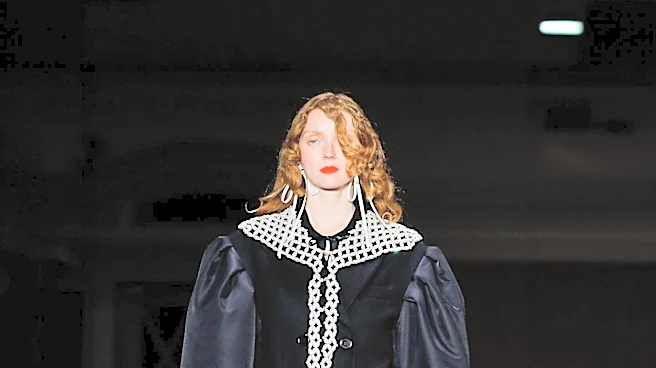
Designers and trend forecasters see these individual styling hacks as seeds of a larger movement. A single person tying a scarf in a new way might just be expressing themselves; when photographers capture several people doing it, it signals a burgeoning micro-trend. This raw, authentic creativity is what high fashion often seeks to bottle. A designer might see showgoers rolling their jacket cuffs in a particular way and translate that into a permanently cropped sleeve in their next collection. They might notice the rebellious energy of pairing a tailored suit with casual sneakers and build a whole collection around that high-low tension. This is how genuine street style—born from necessity, individuality, or pure experimentation—becomes refined and re-contextualized for the runway. The street provides the raw data; the runway presents the polished analysis.
How to Train Your Trend-Spotting Eye
Once you know what to look for, you can start spotting these nascent trends yourself. When you're scrolling through street style photos from Paris, Milan, or New York, ignore the obvious for a moment. Look past the labels and focus on the small, deliberate choices. How are people layering their clothes in a way you haven’t seen before? Are they using accessories in unconventional ways? Notice the details at the margins: the way a shirt is tucked (or untucked), the height of a sock, the knot in a belt, or the mix of unexpected textures. These are the gestures that reveal where fashion is headed next. The runway will eventually confirm the trend, but the streets provide the earliest, most exciting clues.