




An Artist's Curated World
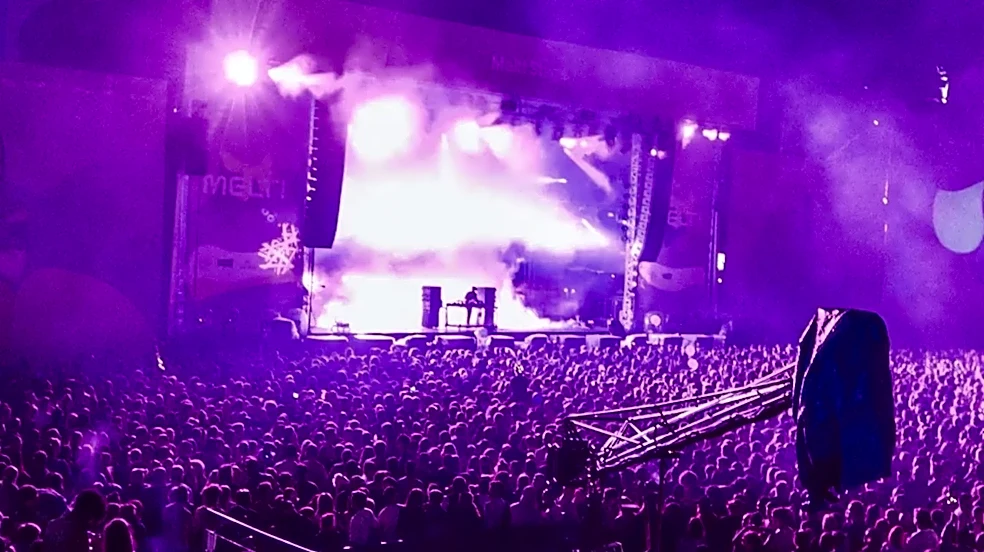
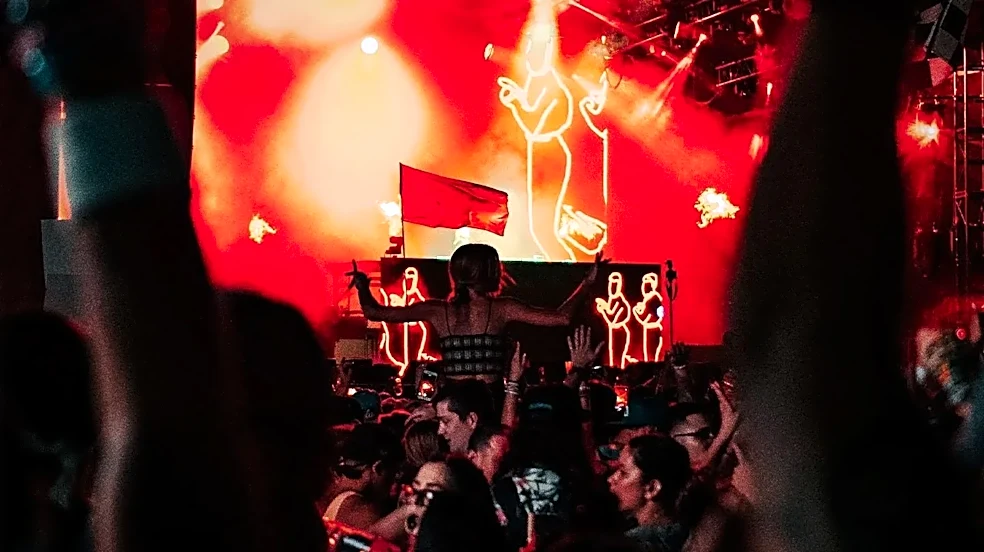
To understand Camp Flog Gnaw, you first have to understand its creator: Tyler, the Creator. The festival has never been just another date on the calendar like Coachella or Lollapalooza. It is a direct extension of Tyler's own meticulously crafted universe.
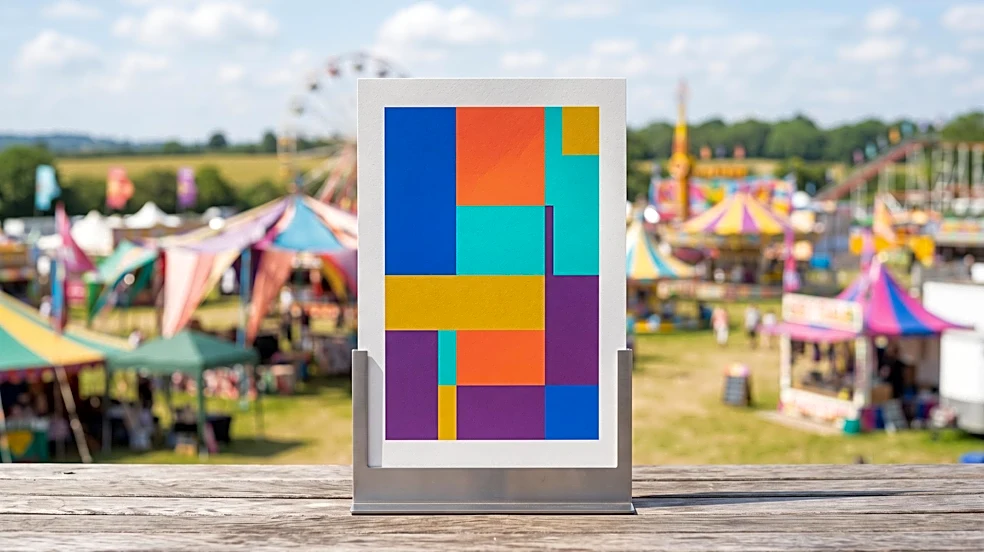
From the carnival rides and custom merchandise to the hand-picked, often eclectic, lineups, the entire event feels less like a corporate festival and more like an invitation into an artist’s world. Tyler has cultivated one of the most dedicated fanbases in music by fostering a sense of community and shared identity. His followers don't just consume his music; they buy into the whole aesthetic. This deep connection, built over years through his Golf Wang clothing line, candid social media presence, and artistic evolution, creates an audience that feels more like collaborators than passive consumers. They feel they are part of the movement, which makes their investment intensely personal.
The Surprise That Shook the Dynamic
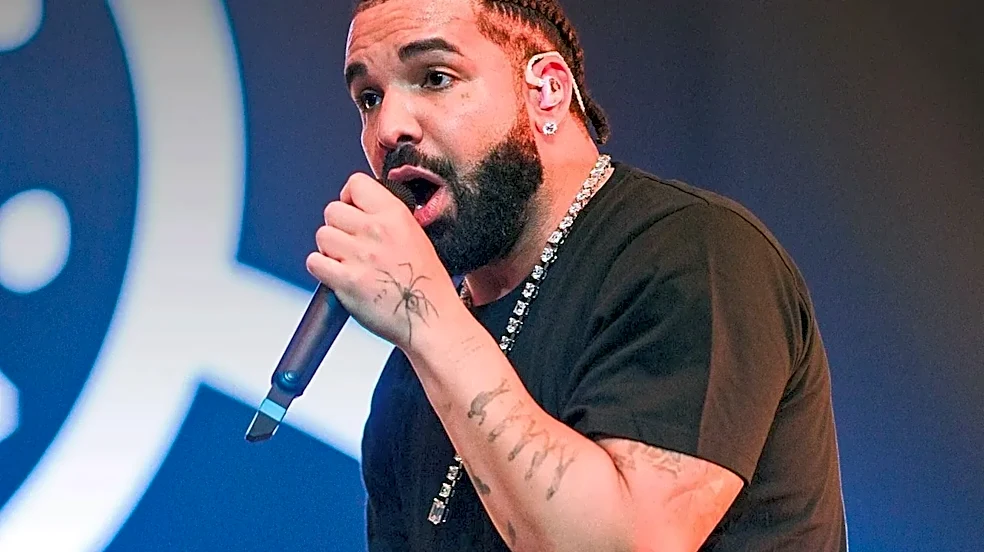
This personal investment boiled over in spectacular fashion in 2019. The festival lineup featured a mysterious headliner, billed only as '???'. Fueled by online speculation and wishful thinking, a significant portion of the crowd convinced themselves it would be the elusive Frank Ocean, a former Odd Future associate of Tyler's who rarely performs live. When the surprise guest was revealed to be Drake—unarguably one of the biggest music stars on the planet—the reaction was not universal applause. Instead, a vocal segment of the audience began to boo. They weren't necessarily booing Drake the artist; they were booing the fact that he wasn't Frank Ocean. The moment was painful to watch, and Drake ultimately cut his set short. Tyler, the Creator, later took to social media to voice his disappointment, calling out the 'entitlement' of fans who acted 'like assholes' when the narrative they created in their heads didn't come true.
The New Rules of Fandom
The Drake incident wasn't just a case of rude fans. It was a perfect snapshot of the new, complicated relationship between artists and their audiences in the digital age. Social media has created a sense of access and intimacy that fans of previous generations never had. This can foster incredible loyalty, but it also breeds a sense of ownership. Today's fandom is often a 'participatory culture' where fans don't just listen; they theorize, create content, and build communities around an artist, effectively becoming part of the marketing machine. This dynamic can feel like a two-way street, leading some fans to believe their expectations should be met. Tyler himself has a complex relationship with this dynamic, often criticizing fans for being too intrusive or crossing boundaries he wants to keep private. He wants fans to love the art but stay out of his personal life, a difficult line to draw when your brand is built on personal expression.
A Social Contract in Flux
What happened at Camp Flog Gnaw reveals a social contract in constant renegotiation. In the past, the agreement was simple: you pay for a ticket, the artist performs. But the 2019 incident suggests a new clause has been added, one where artists who cultivate deeply personal, interactive relationships with their fans are also tasked with managing the powerful expectations that come with it. The fans who booed Drake felt their implied pact with Tyler had been broken. They were there for the specific, insular world he had created, and to them, a global superstar like Drake felt like an outsider that didn't fit the 'underdog' narrative. While Tyler saw it as bringing the 'biggest artist on the fucking planet' to his fans, they saw it as a misunderstanding of what they valued most about his world. It highlights the central tension of modern stardom: how do you maintain a devoted, cult-like following while achieving mainstream success? Camp Flog Gnaw provided no easy answer, only a very public demonstration of the stakes.