


Start With Your Intention
Before you even think about specific pieces, ask yourself what vibe you're aiming for. Do you want to project confidence and energy for a big presentation? High contrast might be your answer. Are you aiming for an air of quiet sophistication for a dinner
party? A simple, tonal look might be more appropriate. Contrast often reads as bold, dynamic, and assertive, while simplicity feels elegant, calm, and timeless. The choice isn't a rule you follow but a tool you use to communicate your mood and personality without saying a word.
The Case for High Contrast
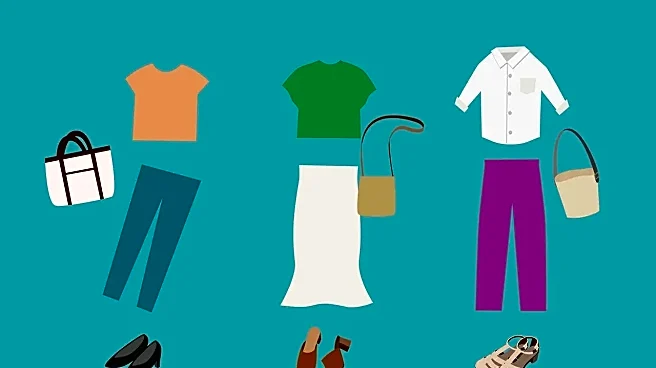
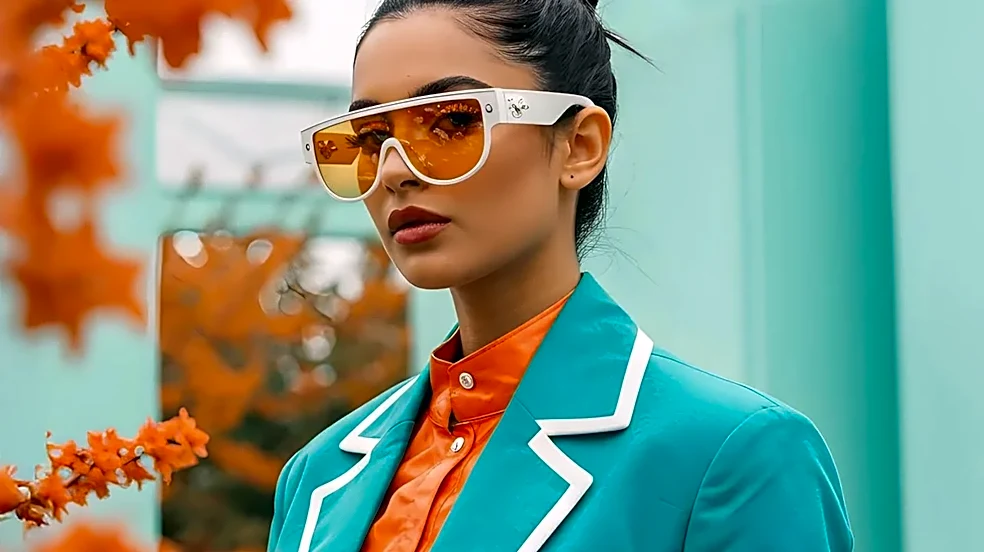
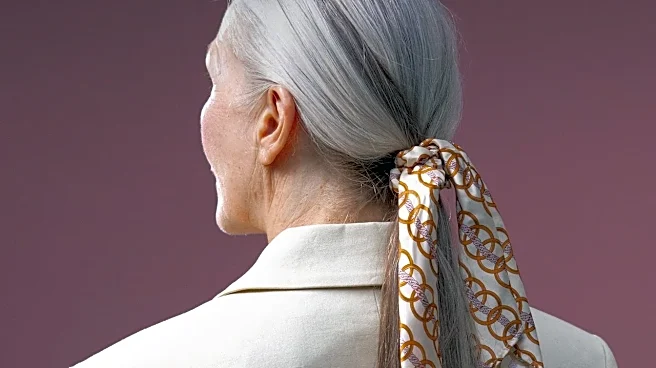
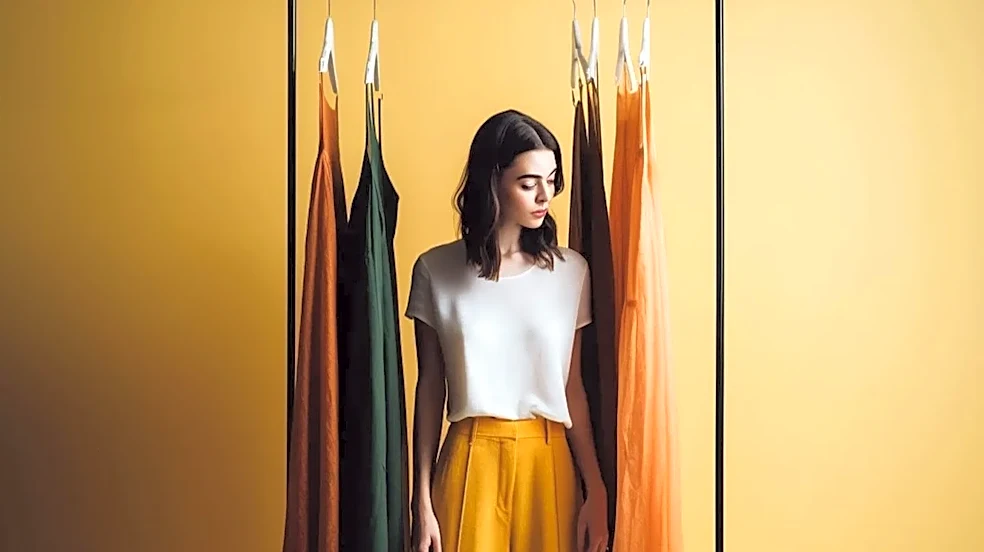
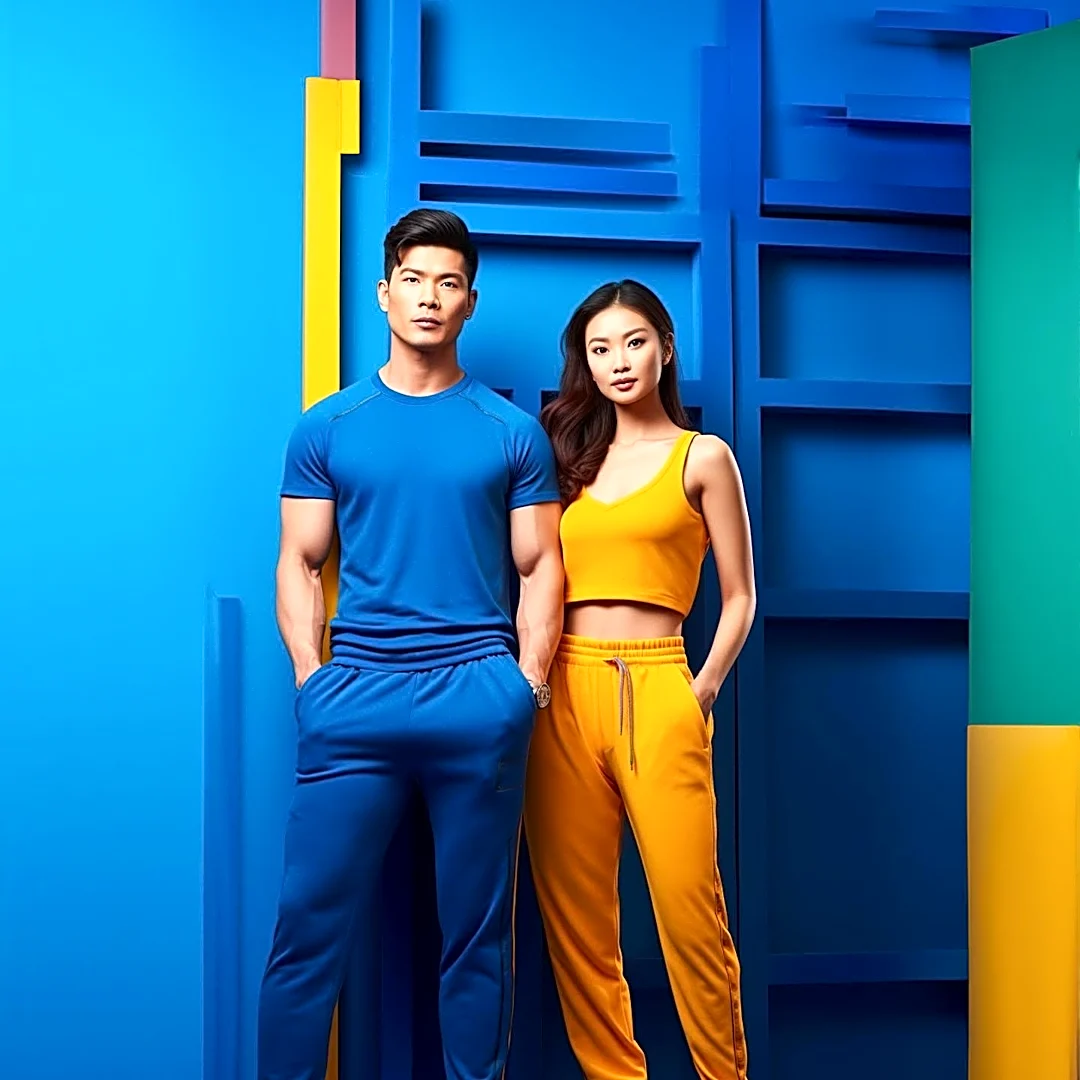
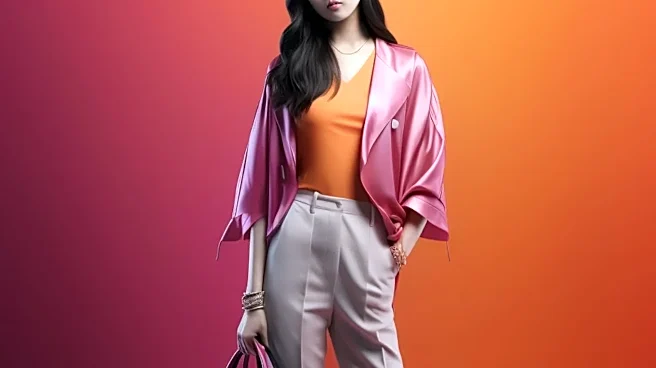
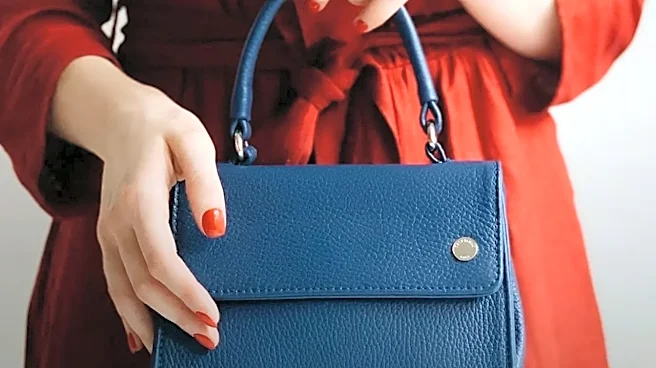
Contrast is your best friend when you want to create a clear focal point. Think of a bright handbag against an all-black outfit, or a vibrant scarf with a neutral coat. Your eye is immediately drawn to that point of difference. This technique is perfect for days when an outfit feels flat or uninspired. A single, high-contrast element can add life and energy. Using complementary colors—opposites on the color wheel like blue and orange or red and green—is a classic way to achieve a striking, eye-catching look. The key is proportion: let one color dominate and use the other as an accent to avoid looking visually cluttered.
The Power of Simplicity
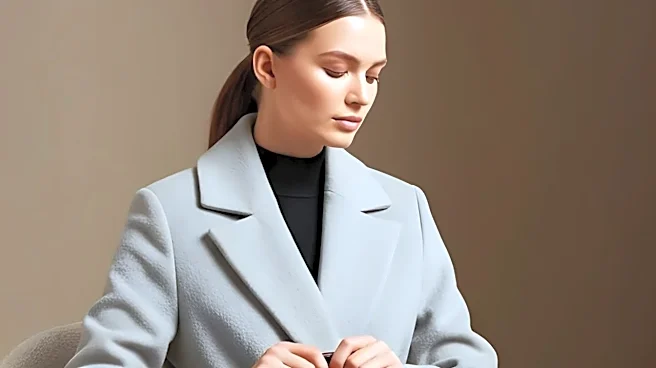
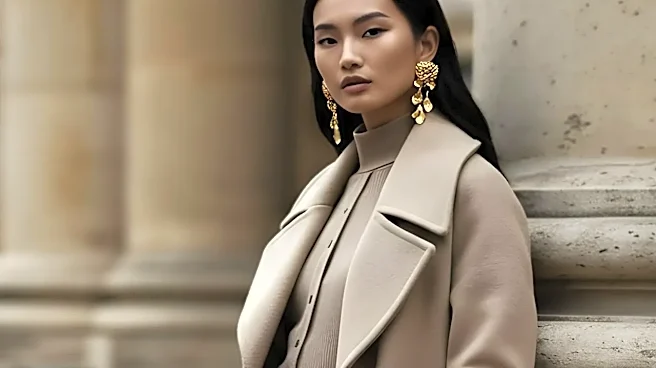
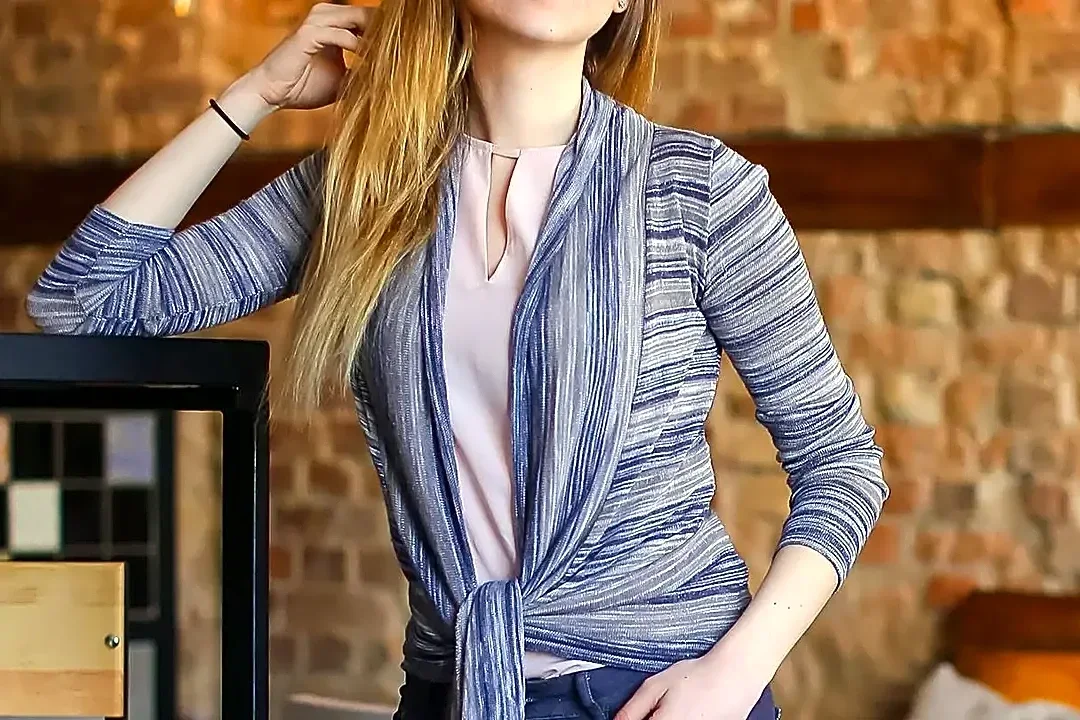
A simple, low-contrast outfit relies on harmony rather than opposition. This is where monochromatic (one color in different shades) or analogous (colors next to each other on the color wheel) palettes shine. Think of an outfit composed of cream, beige, and tan. The result is effortlessly chic and sophisticated. Simplicity is powerful when you want to highlight other elements, such as interesting textures—like a chunky knit sweater with a silk skirt—or a unique silhouette. Without the 'noise' of competing colors, the eye is free to appreciate the quality of the fabric and the cut of the garments. This approach often looks more expensive and intentional.
Use Proportion to Find Balance
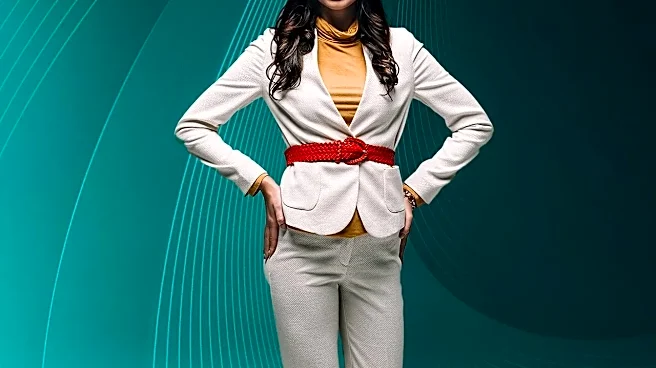
Sometimes the issue isn't color but proportion. An outfit's balance is heavily influenced by how the pieces relate to each other in volume and length. A common guideline is the 'Rule of Thirds', which suggests dividing an outfit into a 1/3 top and 2/3 bottom ratio for a naturally pleasing look. For example, a shorter, waist-length jacket over high-waisted trousers creates this flattering proportion. If your outfit feels 'off', it might be because the proportions are too even (a 50/50 split). Tucking in your shirt or adding a belt to define your waist are simple tricks to instantly fix the balance and create a more dynamic silhouette.
Your Final Mirror Check
Before you walk out the door, take a moment for a quick visual assessment. Ask yourself these questions: Where does my eye go first? If you can't identify a focal point, you might need a pop of contrast, like a statement necklace or a colorful shoe. Does anything feel like it's competing for attention? If you're wearing bold earrings, a patterned scarf, and a bright bag, the look may feel cluttered. Try removing one element. Does the outfit feel balanced? If you're wearing a voluminous top, make sure the bottom is more fitted, and vice-versa. Most importantly, does it feel like you? The best outfit is one that gives you confidence.