







The Tyranny of the Tuxedo
The black-tie dress code has long been a straitjacket for male self-expression. While women's gowns offer a canvas for drama, color, and silhouette, menswear has been confined to a rigid uniform: the tuxedo. It’s a handsome, reliable, and almost comically
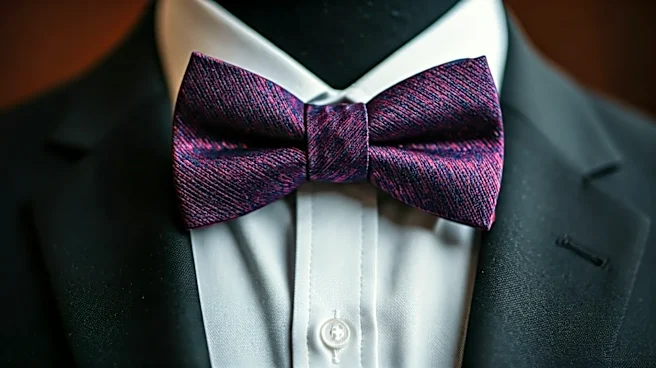
safe choice. For years, the most daring move a man could make on the red carpet was opting for a midnight blue jacket or a slightly unconventional bow tie. The goal wasn't to stand out, but to fit in—to look polished, appropriate, and, frankly, a little bit boring. This uniformity created a stark visual divide at awards shows, with a parade of vibrant, expressive gowns on one side and a phalanx of indistinguishable penguin suits on the other. But the very nature of Broadway—a world built on creativity, drama, and personality—is starting to fray the edges of that rigid code.
The Brooch as Rebellion
The first sign of a crack in the armor isn't a bold new silhouette or a shocking color palette. It’s smaller, more deliberate, and far more personal: the statement brooch. This micro-trend, seen sparkling on the lapels of some of theater's most celebrated men, is the perfect gateway for sartorial rebellion. At recent Tony Awards, actors have used this vintage-inspired accessory to inject personality into otherwise standard suiting. Stars like Jeremy Pope and Eddie Redmayne, both known for their thoughtful red carpet choices, have championed the look. A well-placed brooch—be it a delicate diamond cluster, a sculptural floral design, or a piece of abstract metalwork—does more than just accessorize. It tells a story. It’s a nod to old Hollywood glamour, a wink to queer history, and a declaration that a man's style can be detailed, ornate, and thoughtful without sacrificing formality.
Beyond the Pin: A Broader Shift
While the brooch is the trend's most visible ambassador, it’s part of a larger movement toward less predictable menswear. The Tony Awards red carpet is now a space where color and texture are being explored with newfound confidence. We see it in the rich, jewel-toned suits, like the striking amethyst look Daniel Radcliffe sported. We see it in the unexpected fabrics, like the floral jacquard jacket worn by Jeremy Jordan, which adds a layer of theatrical romance to a classic shape. Even the structure of the suit is being questioned. Some opt for softer, more fluid tailoring, while others are ditching the traditional shirt and tie altogether for a bare chest or a simple necklace. These aren't just random acts of style; they are evidence of a collective exhale. The men of Broadway, who spend their careers embodying complex characters on stage, are finally bringing that same sense of creativity and individuality to their own public personas.
Why It Matters Now
This shift feels particularly at home at the Tonys. Unlike Hollywood, which often feels driven by the machinations of global blockbuster marketing, Broadway retains a spirit of artistry and community. The style choices feel less like brand endorsements and more like personal statements. The men leading this charge are often those celebrated for their versatility and emotional depth on stage. It seems only natural that they would resist the cookie-cutter masculinity of the traditional tuxedo. By embracing a more expressive form of dress, they are subtly redefining what it means to be a leading man. The message is clear: strength and style are not mutually exclusive, and true confidence lies in personalization, not conformity. The red carpet, long a stage for female fashion, is finally becoming a more equitable and interesting platform for everyone.