





The Logan Roy School of Power
To understand what “Brian Cox-style gravitas” means, one need only look at Logan Roy. As the founder of a global media empire, Logan wasn’t just a character; he was a gravitational force. Cox’s performance gave us a man who was bullish, cutthroat, and utterly
ruthless, a figure who would rather be feared than loved. His power was a weapon he brandished constantly, rooted in a psychological understanding that fear is a powerful motivator. Yet, it wasn’t simple villainy. Cox layered the brutality with a tragic weariness, hinting at a traumatic past that forged his need for absolute control. This is a man who loves his children but sees that love as his greatest weakness. His signature blend of terrifying authority and wounded humanity is precisely what makes him so compelling.
Beyond Hagiography and Hip-Hop
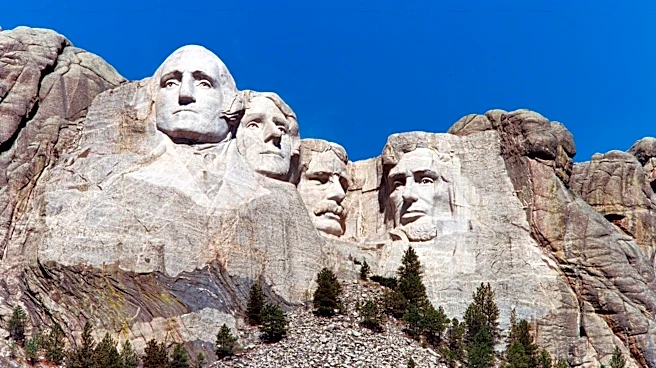
Portrayals of the Founding Fathers in popular culture tend to fall into two camps. There’s the reverent hagiography of classic films and older miniseries, which present them as stoic figures in a historical pageant. Then there's the brilliant, revisionist stylization of Hamilton, which reimagined the Founders as vibrant, diverse, and driven by modern energy. Both approaches serve a purpose, making history accessible and entertaining. But what often gets lost is the sheer, messy, and sometimes ugly reality of their ambition. The HBO miniseries John Adams, for example, came closer to this, portraying Alexander Hamilton not as a tireless nation-builder but as a “greedy schemer” with dreams of empire. This hint of complexity is where a Cox-style performance could truly ignite the narrative, stripping away both the marble reverence and the musical gloss to show the raw, complicated men beneath.
Imagine: John Adams as a ‘Serious Person’
Now, picture this kind of performance applied to a key Founder. Take John Adams, played with brilliant, anxious energy by Paul Giamatti in the HBO series. Adams was famously cranky, principled, and deeply insecure, a man desperate for legacy but often overshadowed by his peers. A Logan Roy-esque Adams wouldn't just be a principled grump; he would be a barely-contained storm of resentment and ambition. Imagine him in a cabinet meeting, hissing at Jefferson with the same venom Logan reserves for his children: “You are not serious people.” This approach wouldn't be about making Adams a monster, but about exposing the psychological engine driving his political maneuvers—the deep-seated fear of being powerless that psychologists identify in figures like Roy. It would reframe the birth of the nation not as a philosophical debate society, but as a boardroom brawl for the soul of a country.
An Audience Ready for Flawed Heroes
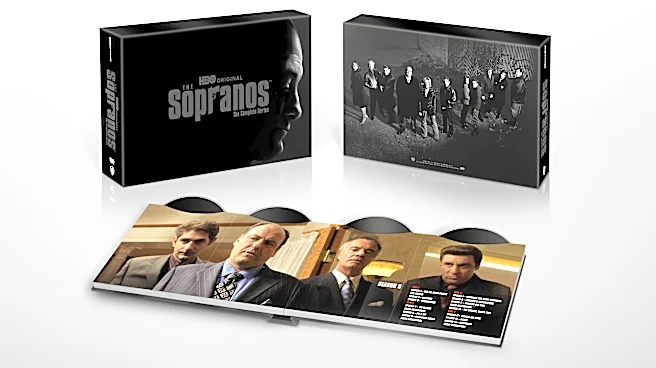
Modern television audiences have been primed for this kind of complexity for decades. The rise of the anti-hero, from Tony Soprano to Walter White, has cultivated a taste for protagonists who are morally ambiguous. Viewers are drawn to these characters because their flaws and motivations feel relatable, even when their actions are abhorrent. We don't just want to see good guys win; we want to understand what drives complex people in high-stakes situations. Applying this lens to the Founding Fathers isn't an act of tearing them down. Instead, it’s an acknowledgment that the men who forged a nation were likely as flawed, power-hungry, and psychologically complex as the fictional titans who dominate our screens today. A performance with the brutal honesty of Brian Cox's Logan Roy would make them feel less like historical statues and more like the dangerous, brilliant, and deeply human figures they truly were.