





More Than Just a Color
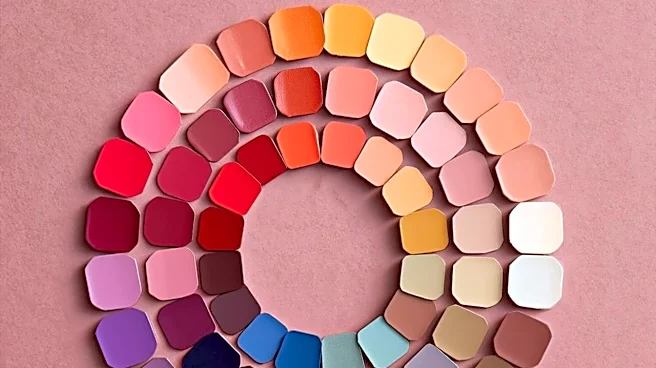
Seasonal color analysis is a method of finding the shades of color for clothing and makeup that harmonize with your natural coloring—your skin, hair, and eyes. When you wear colors from your palette, the effect can be transformative. Your skin appears
clearer, your eyes brighter, and your entire look more cohesive and vibrant. The system works by evaluating three key aspects of your personal coloring: your undertone (cool vs. warm), your value (light vs. deep), and your chroma (bright vs. muted). The goal is to match the qualities of the colors you wear to the natural qualities you already possess.
From Four Seasons to Twelve
The original concept, popularized in the 1980s, divided everyone into four seasons: Winter, Spring, Summer, and Autumn. The 12-season system builds on this by adding more nuance. Each of the four original seasons is split into three sub-categories based on its most dominant quality. For example, Winter—which is fundamentally cool, deep, and bright—is divided into Cool (or True) Winter, Deep Winter, and Bright Winter. This level of specificity helps people pinpoint their most flattering shades with much greater accuracy. A person might know they are a Winter, but understanding if their dominant trait is coolness, depth, or brightness is the key to truly unlocking their best look.
Case Study: The Winters
To see this in action, let's look at the Winter family. Though all Winters thrive in cool, high-contrast colors, the sub-seasons fine-tune the palette. A True Winter, whose primary quality is coolness, looks incredible in purely cool, saturated colors like royal blue, fuchsia, and emerald green. Think of celebrities like Jameela Jamil or Jennifer Connelly, who shine in these crisp, icy tones. A Deep Winter, on the other hand, is defined by depth. Their best colors are rich and dark, like charcoal gray, burgundy, and navy. These shades honor their natural depth, whereas lighter pastels might look out of place. Bright Winter is all about clarity and brightness. Their palette consists of highly saturated, vivid jewel tones like hot pink and cobalt blue. Someone with this coloring looks electric in these shades, but can appear washed out by muted, dusty colors.
Case Study: The Autumns
Now let's cross over to the warm side with the Autumns. This group is characterized by warmth and a more muted or earthy quality. A Soft Autumn, whose dominant trait is being muted or soft, looks their best in blended, toned-down colors like olive green, dusty rose, and khaki. Their features often have low contrast, so harsh, bright colors can be overwhelming. Celebrities like Drew Barrymore are often cited as Soft Autumns, looking harmonious in these gentle, earthy shades. A Warm Autumn (or True Autumn), by contrast, is defined by its dominant warmth. Their palette is full of rich, fiery, and distinctly warm colors like mustard yellow, terracotta, and forest green. These individuals glow in earthy tones that look like they were pulled from a fall landscape. Wearing a cool gray or icy pink would clash with their inherent warmth, often making them look drained.