



The Pre-Recession Contemporary Boom
The first major test came with the rise and fall of the contemporary market in the 2000s. In the years before the 2008 financial crisis, there was an explosion of brands occupying the space just below luxury. They offered designer-adjacent aesthetics
at a more accessible, but still significant, price point. When the economy cratered, this part of the market was decimated. Shoppers either traded down to cheaper alternatives or invested in timeless luxury. Many contemporary brands simply vanished. Reese survived because her brand wasn't just about a price point; it was about a feeling. Her signature use of vibrant color, unique prints, and flattering silhouettes created a loyal following that wasn't just buying a dress, but an expression of joyful femininity. While other brands chased a fleeting market segment, Reese was building a relationship with a specific customer who loved her distinct vision.
The Fast Fashion Apocalypse
Just as the industry recovered from the recession, it faced a new existential threat: fast fashion. Giants like Zara, H&M, and Forever 21 perfected the art of churning out runway-inspired trends at impossibly low prices, hollowing out the middle market. Many established American brands, including mall staples like Aéropostale and The Limited, filed for bankruptcy as they couldn't compete on speed or cost. At this critical juncture, Reese was advised to jump on the bandwagon. Instead, she doubled down on what made her brand different. She consciously rejected the chase, refusing to make her business faster and cheaper. She recognized that trying to beat fast fashion at its own game was a losing proposition. Her answer wasn't to speed up, but to deepen her commitment to quality and design integrity, creating pieces women would want to wear for years, not just a single season.
The Sustainability and Authenticity Reckoning
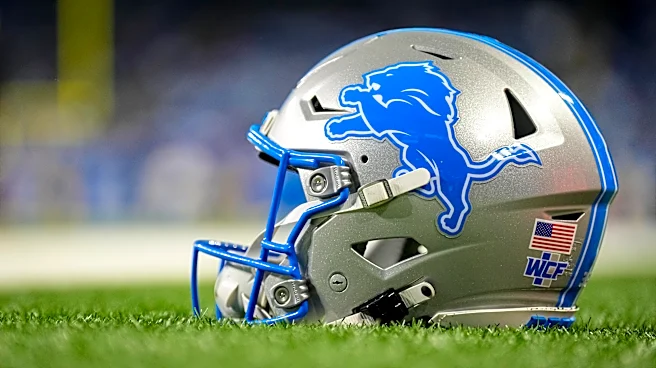
The third and most recent cycle has been a cultural shift demanding more than just clothes. Consumers began asking where their clothes came from, who made them, and what their environmental impact was. This led to another graveyard of brands, those who were exposed for unethical labor practices or who were unable to pivot to a more transparent model. For Reese, this wasn't a trend to co-opt; it was a personal conviction. She has spoken openly about feeling disillusioned with the industry's waste and exploitative practices. Instead of a minor course correction, she made a radical change. In 2019, she moved her base of operations from New York City back to her hometown of Detroit. There, she launched Hope for Flowers, a new, sustainably-focused line designed, and increasingly produced, locally. This wasn't just a business pivot; it was a complete reimagining of her brand's purpose, rooted in community, ethical production, and environmental responsibility.
The Lesson: Know Your Customer, Know Yourself
Across all three cycles, the common thread in Reese's survival has been a steadfast refusal to be anything other than herself. While other brands were reacting to market pressures—chasing price points, trends, or production speeds—Reese focused on two things: her customer and her values. Her design philosophy has always been about making women of all shapes and sizes feel beautiful. This customer-centric approach built a resilient base. When the industry demanded she become cheaper and faster, she chose to become more intentional and responsible. The move to Detroit and the launch of Hope for Flowers is the ultimate expression of this strategy—a brand that is not just surviving, but thriving by creating fashion that is not only beautiful but also meaningful.