







The Problem with Paperwork
Let’s be honest: real-world government transparency is rarely a blockbuster. The Freedom of Information Act (FOIA) is less a thrilling spy movie and more a bureaucratic waiting game that often ends with a heavily blacked-out document. When the government does
release information, like the JFK assassination files or recent UAP reports, it’s not a single, explosive press conference. It’s a data dump—thousands of pages of dense, jargon-filled text dropped online for journalists and researchers to spend months deciphering. The drama is there, but it’s buried. The cinematic promise of a single, world-changing revelation gets lost in the mundane process of digital archaeology. The 'truth' isn't delivered by a shadowy figure in a trench coat; it’s painstakingly assembled from a thousand boring pieces.
What Hollywood Gets Right (and Wrong)
Filmmakers understand this disconnect. That’s why movies about government secrecy invent narrative engines to create suspense. In All the President's Men, the drama comes from the chase—the shoe-leather reporting and clandestine meetings with Deep Throat. In The Post, it's a ticking clock, a race between journalists and the Justice Department over publishing the Pentagon Papers. Even in sci-fi, like Arrival, the secret isn't just what the aliens want; it's the internal government struggle over whether to reveal it. These films aren’t about reading documents. They are about the human stakes: the risks people take, the moral choices they face, and the personal cost of truth. The secret itself is just the catalyst. Hollywood's primary tool is to condense a sprawling, messy reality into a tight, character-driven story. It zeroes in on the people, not the policy.
Enter: Disclosure Day
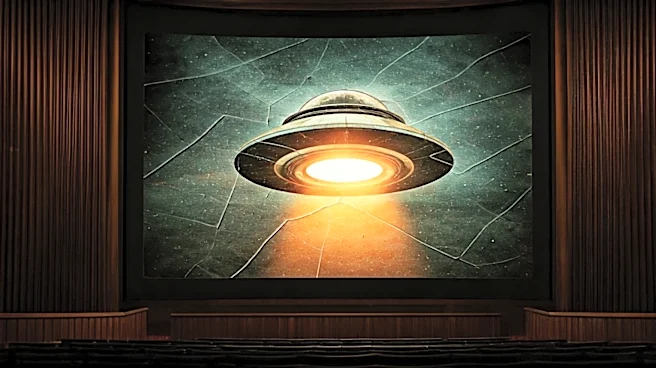
This is where the concept of “Disclosure Day” comes in. Borrowed from the world of UAP (UFO) activism, it imagines a single, state-sanctioned event where long-held secrets are finally revealed to the world. As a narrative device, it’s pure gold. It provides an instant focal point, a built-in source of tension and a clear finish line. Instead of a slow, ambiguous trickle of information, you have a momentous, televised reckoning. A story framed around Disclosure Day isn’t about finding the secret; it's about what happens the moment it’s no longer a secret. It shifts the drama from the investigation to the immediate aftermath. How does the President explain it? How does the media cover it? How does the public react when a foundational truth about their world is suddenly rewritten? It turns a bureaucratic process into a global event.
Making It Cinematic, Not Didactic
The key to making a Disclosure Day story work is to resist the urge to lecture. The goal isn’t to create a two-hour PowerPoint presentation summarizing the classified files. The magic is in the human element. The film wouldn't be about the contents of a UAP report, but about the Air Force general who has to stand at a podium and deliver the news, knowing it will shatter his career and legacy. It’s about the cable news anchor trying to process the information live on air, or the small-town family watching their entire belief system crumble from their living room. A cinematic telling focuses on the moments between the lines of the official statement. It uses the grand reveal as a backdrop for intimate stories of disbelief, validation, fear, and opportunity. The secret is the earthquake, but the movie is about the people running through the streets in its wake. It transforms an information event into a deeply human drama.