
The Man Burn
It’s the namesake spectacle, the explosive climax of the week. On Saturday night, the entire city gathers to watch a massive effigy of 'the Man' burn to the ground in a cacophony of fireworks, cheers,
and fire-dancing performances. For a first-timer, it’s a wild party. But for a veteran, it’s a powerful cycle of renewal. The Man represents many things—authority, the mundane world, or simply a focal point for the year’s artistic theme. Its destruction is a release, a moment of collective, cathartic celebration that feels both ancient and utterly unique to the playa. It’s the celebratory peak before the quiet introspection of the following night begins.
The Temple Burn
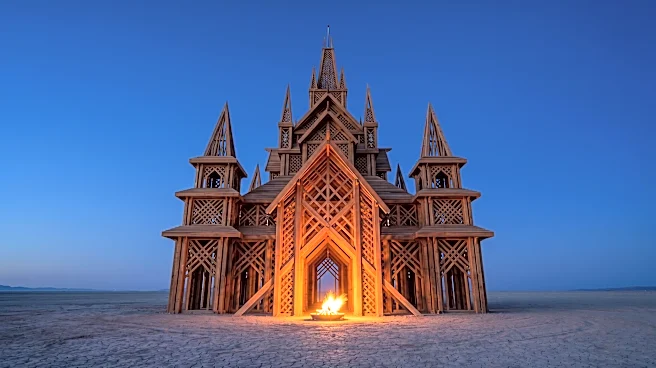
If the Man Burn is a party, the Temple Burn is a funeral, a memorial, and a prayer all at once. On Sunday, the final night, the Temple—an intricate, often breathtakingly beautiful structure—is set aflame in near-total silence. Throughout the week, participants fill its walls with messages, photos, and mementos for loved ones lost, for pain they wish to release, or for hopes they want to send into the universe. The fire that consumes it is a quiet, intensely personal and communal act of letting go. Longtime Burners know the profound hush that falls over tens of thousands of people, the heat on their faces, and the shared sense of catharsis as the structure crumbles. It is a deeply spiritual cleanse that solidifies the event’s emotional core.
The Greeters’ Welcome Home
Your first real interaction in Black Rock City isn’t with a ticket scanner, but with a Greeter. These volunteers are the gatekeepers of the city’s culture. After hours in a car, you’re often met with a hug, a genuine “Welcome home!,” and an invitation to ring a bell and leave the default world behind. You might be encouraged to make a dust angel on the ground, a symbolic baptism into the playa. This first encounter sets the tone for the principle of Radical Inclusion, reminding you that you are no longer just an attendee, but a participant in a temporary city. For veterans, seeing that gate and the Greeters’ station on the horizon is the first nostalgic pang—the true start of the Burn.
The Principle of Gifting
At Burning Man, you can only purchase two things: coffee and ice. Everything else operates on a gift economy, a concept that immediately separates Black Rock City from the default world. This isn’t about bartering or trading; it’s about giving without any expectation of return. A gift can be a cold drink on a hot day, a handmade piece of jewelry, a shared meal, or simply your time and energy to help a campmate. This tradition fosters a sense of community and trust, creating what many call “playa magic”—the phenomenon of receiving exactly what you need at the moment you need it most. For seasoned Burners, the joy comes not just from receiving, but from the creative and thoughtful process of deciding what gift to share with their community.
Leave No Trace
The most important tradition is the one that ensures Burning Man can continue to exist: Leave No Trace. The goal is to leave the Black Rock Desert in a better state than when the event began. This is a monumental undertaking for a city of nearly 80,000 people. Every single piece of trash—from food scraps to stray sequins, collectively known as MOOP (Matter Out of Place)—must be packed up and packed out by each participant. There are no public trash cans. This ethos of civic responsibility and environmental respect is deeply ingrained. For veterans, the meticulous process of cleaning their campsite and conducting MOOP sweeps is a non-negotiable ritual, a final act of communal effort that honors the land that hosted them.